How a flush sends droplets into the air
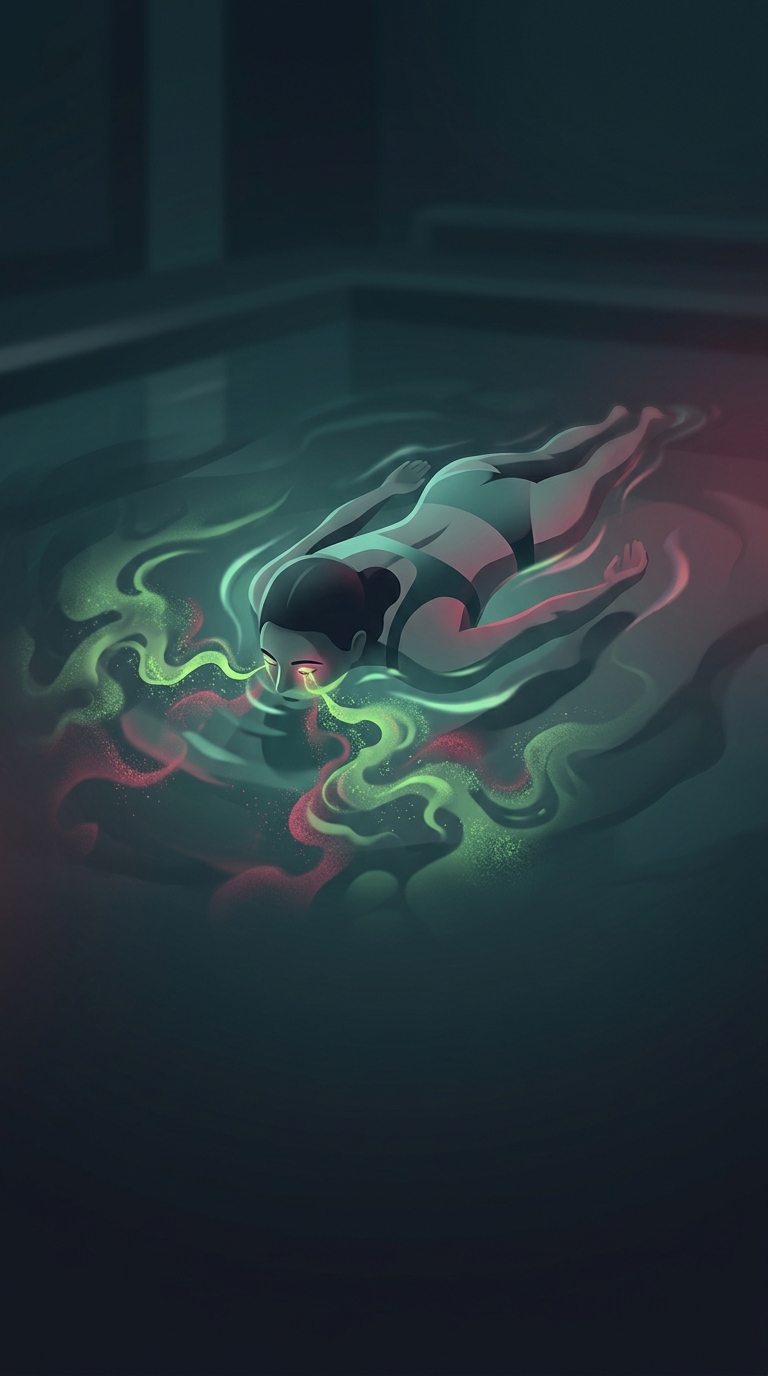
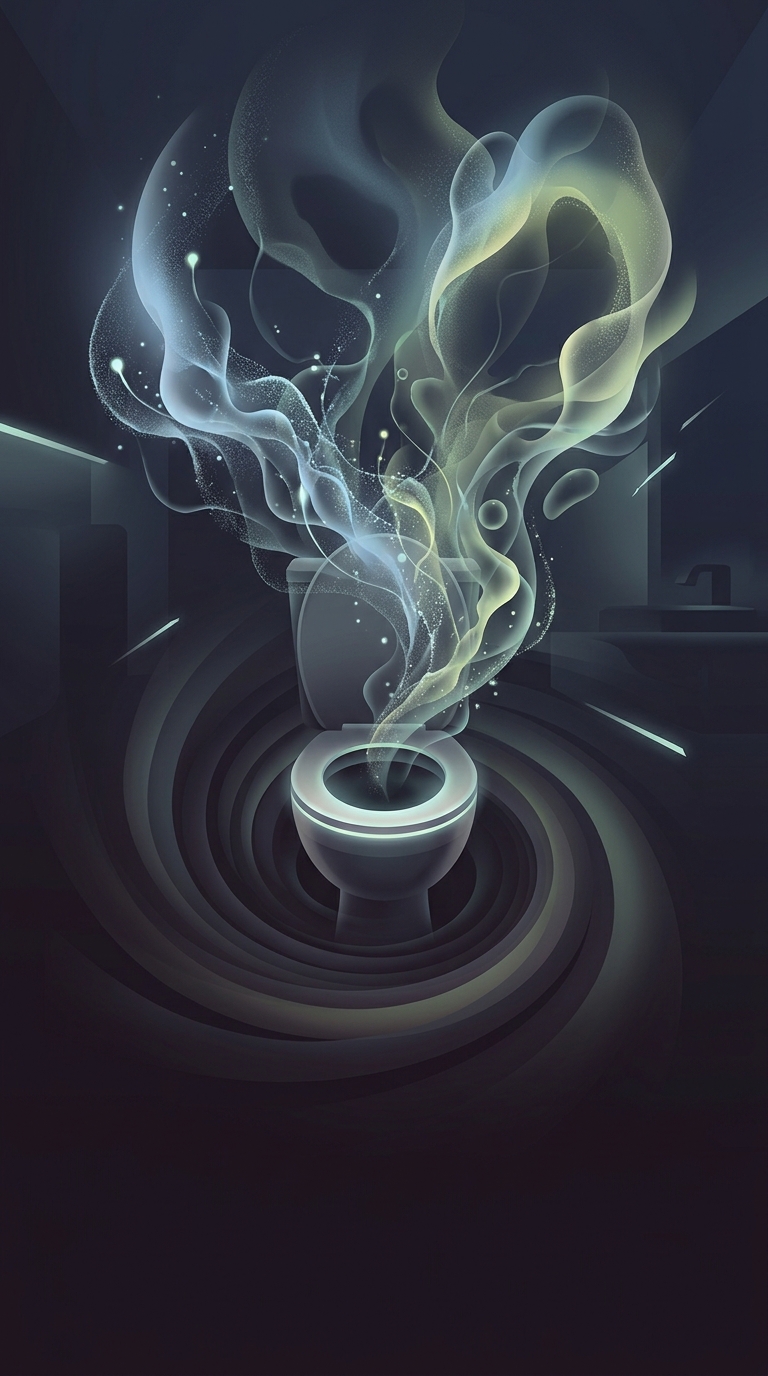
A toilet flush does more than carry waste through the bowl. Incoming water churns its contents and breaks some of the liquid into tiny droplets, creating a brief toilet plume. The larger droplets fall quickly; the smallest can remain suspended for a time, then settle on nearby surfaces or move with air currents.
What the plume contains depends on what is in the bowl. It can include microbes from feces or urine, along with ordinary water and other particles. A flushing toilet is therefore one way bathroom surfaces can become contaminated, especially those close to the bowl.
Why a lid helps—but does not seal the toilet
Closing the lid before flushing can reduce how much material escapes into the room, but it is not an airtight barrier. Air and droplets can still pass through gaps, so a closed lid should not be treated as a guarantee that the surrounding area stays clean.
The plume is also not proof that someone will become ill. Infection depends on factors such as which pathogen is present, how much reaches a person, and how that person is exposed. The concern is a possible route of contamination, not an automatic health hazard with every flush.
The practical consequence
Keep toothbrushes and other items used near the mouth away from the toilet, clean bathroom surfaces regularly, and wash hands after using the bathroom. Closing the lid adds a simple layer of protection; routine hygiene addresses what a lid cannot stop.