Why London’s first railway ran beneath the streets
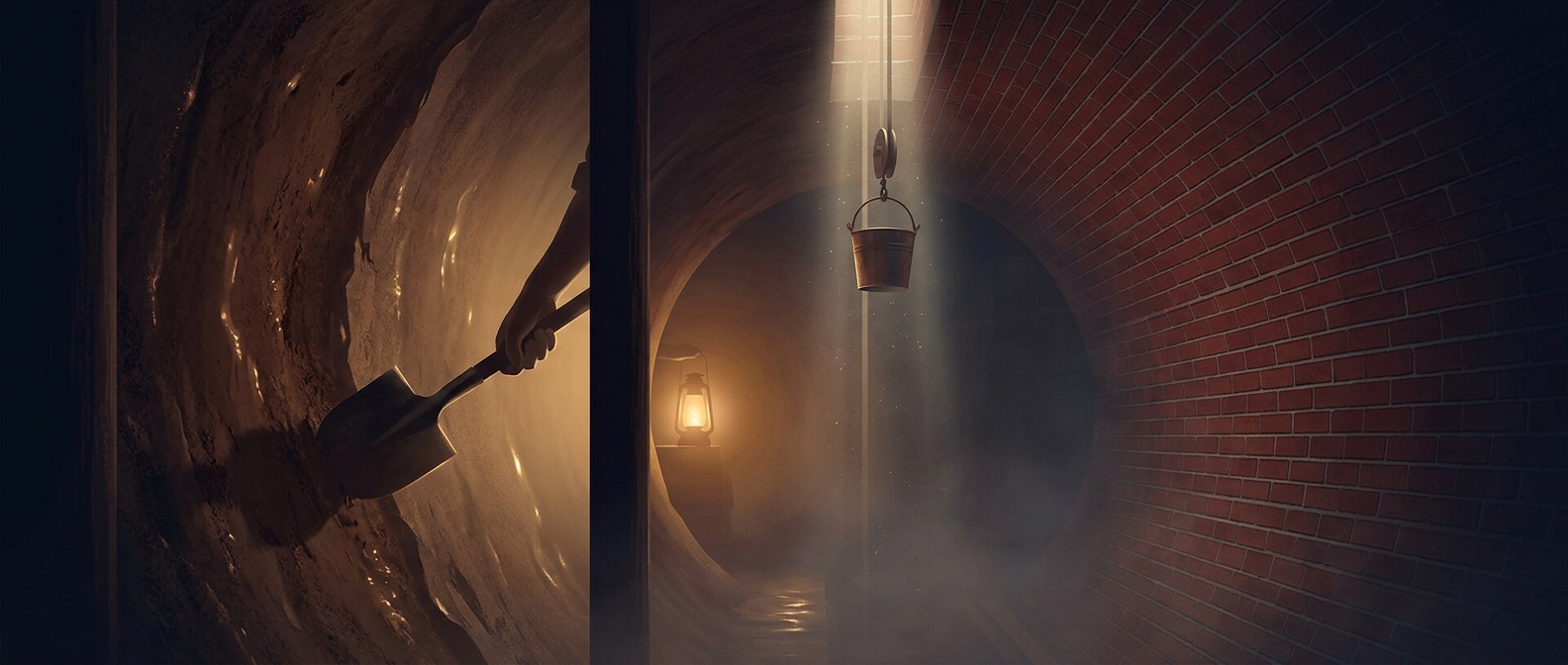
The Metropolitan Railway opened in 1863 to connect major rail terminals on the edge of central London, where passengers could transfer between lines without crossing the congested city by carriage. The route’s shallow construction made that possible with the tools and engineering methods available at the time: instead of boring a deep tunnel, builders opened a trench along streets, constructed the railway inside it, and restored the surface above.
This approach, known as cut-and-cover, suited a line that needed to stay relatively near street level for access to stations. It also meant the railway’s path was constrained by the city above it. Streets had to be closed or disturbed, and underground services such as sewers could obstruct the route and require adjustment. The construction was therefore a major intervention in everyday urban life, not an invisible project hidden underground.
A railway with a very different atmosphere
The shallow brick tunnels were built for steam locomotives, not the electric trains now associated with the Underground. Steam engines produced smoke and heat in enclosed spaces, so the railway needed ways to let air circulate. Openings and ventilation shafts helped, but the conditions were still unlike those of a modern electric subway. The line’s original engineering reflected a practical compromise: put trains underground to bypass street traffic, while accepting the difficulties of running steam power below ground.
That compromise helped make the first underground railway feasible before deep-tunnel boring became practical for a citywide network. Later tube lines could pass beneath buildings and streets with less disruption at the surface, using different tunneling methods and electric traction. London’s early railway instead left a more direct mark on the city: its shallow route followed corridors that could be opened up and rebuilt, and its tunnels were made as much by reshaping the streets as by digging below them.