Why a larger tragedy can feel less personal
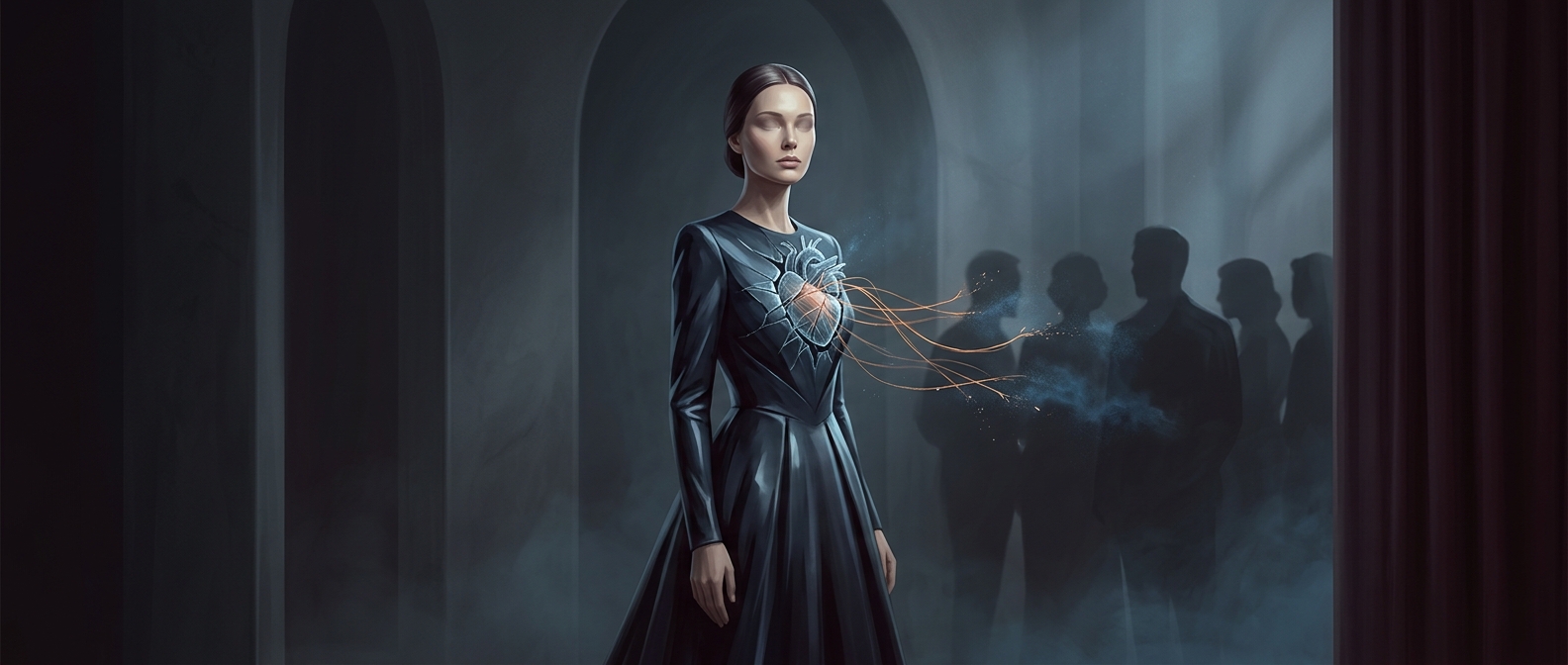
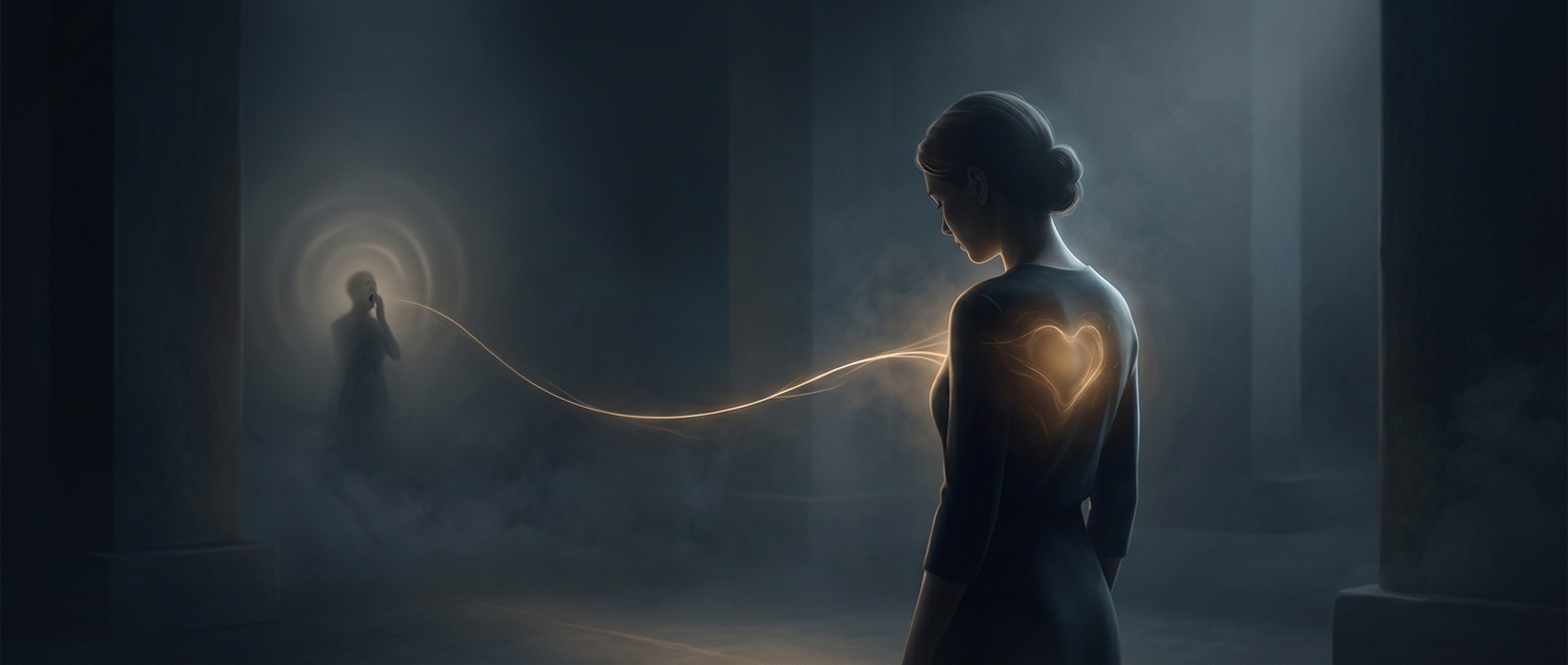
When people encounter suffering, they do not respond only to how many people are affected. They also respond to how readily they can imagine a person in need. A single, clearly described victim can prompt a vivid mental picture; a much larger toll may arrive as an abstract figure. Psychologists call the drop in emotional response as the number of victims grows compassion fade.
The shift is partly a limit of attention. We can hold a particular person’s circumstances in mind—what they need, what might happen next—and feel concern tied to that picture. As the group expands, it becomes harder to picture each individual. The mind may register the scale intellectually without producing an equally strong emotional response.
Feeling and judging are not the same
Compassion fade does not mean people believe a larger disaster matters less, or that they consciously choose to care less. It describes a tendency in emotional response. Someone may recognize that thousands of people face grave harm while feeling a sharper immediate pull toward one person whose story is concrete.
This creates a mismatch between how much suffering exists and how much concern feels available. The mismatch can affect attention and generosity: a vivid case may attract action more readily than a vast need described mainly through totals. But numbers still matter. They show the scale of a crisis and can help people judge where help is needed; they simply do not always make that need feel vivid.
Making scale human without hiding it
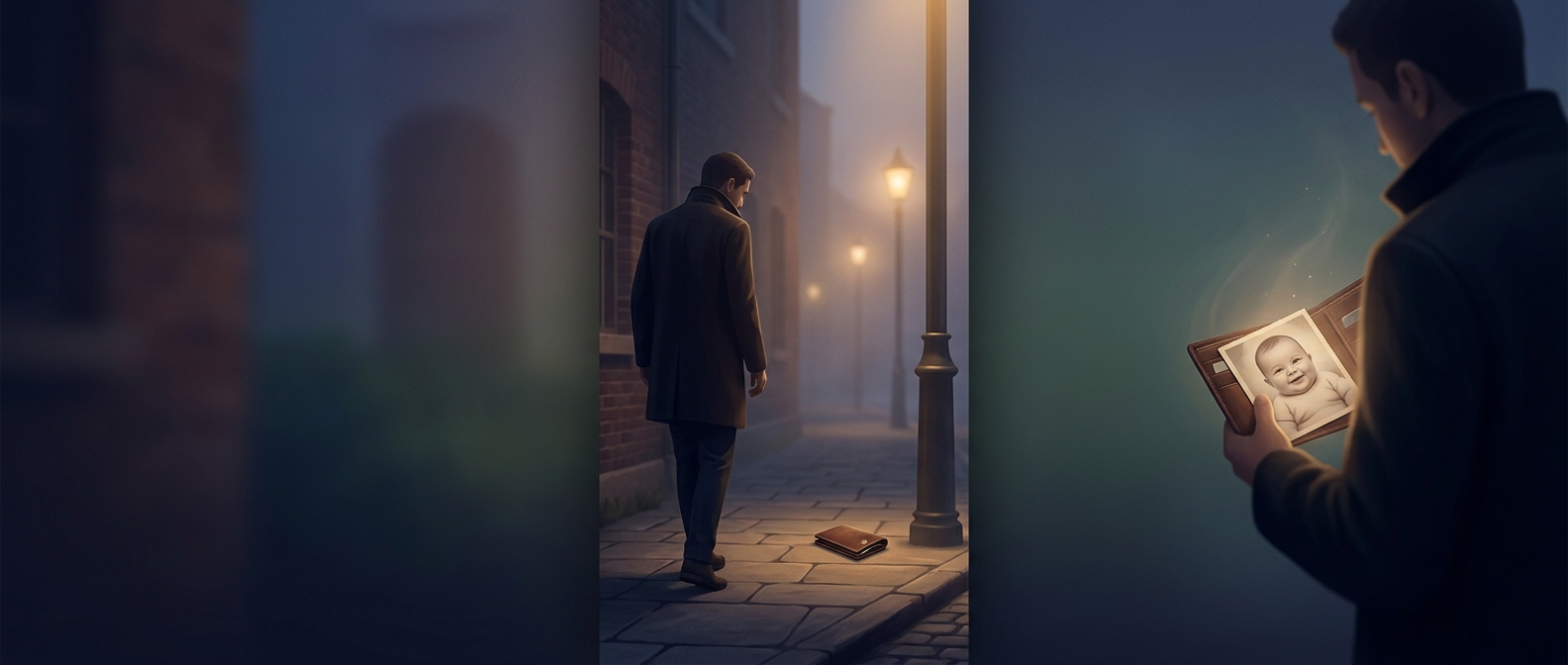
A useful way to communicate a large tragedy is to connect the total to individual circumstances: what people have lost, what they need now, and how assistance could help. A specific story can make the stakes imaginable, while an accurate count keeps the story from standing in for everyone affected.
That balance matters because the goal is not to replace a crowd with one memorable person. It is to help the mind see both the person and the scale—so that a growing number of victims does not become, emotionally, a smaller tragedy.