How the Oracle of the Dead Made an Apparition Feel Real
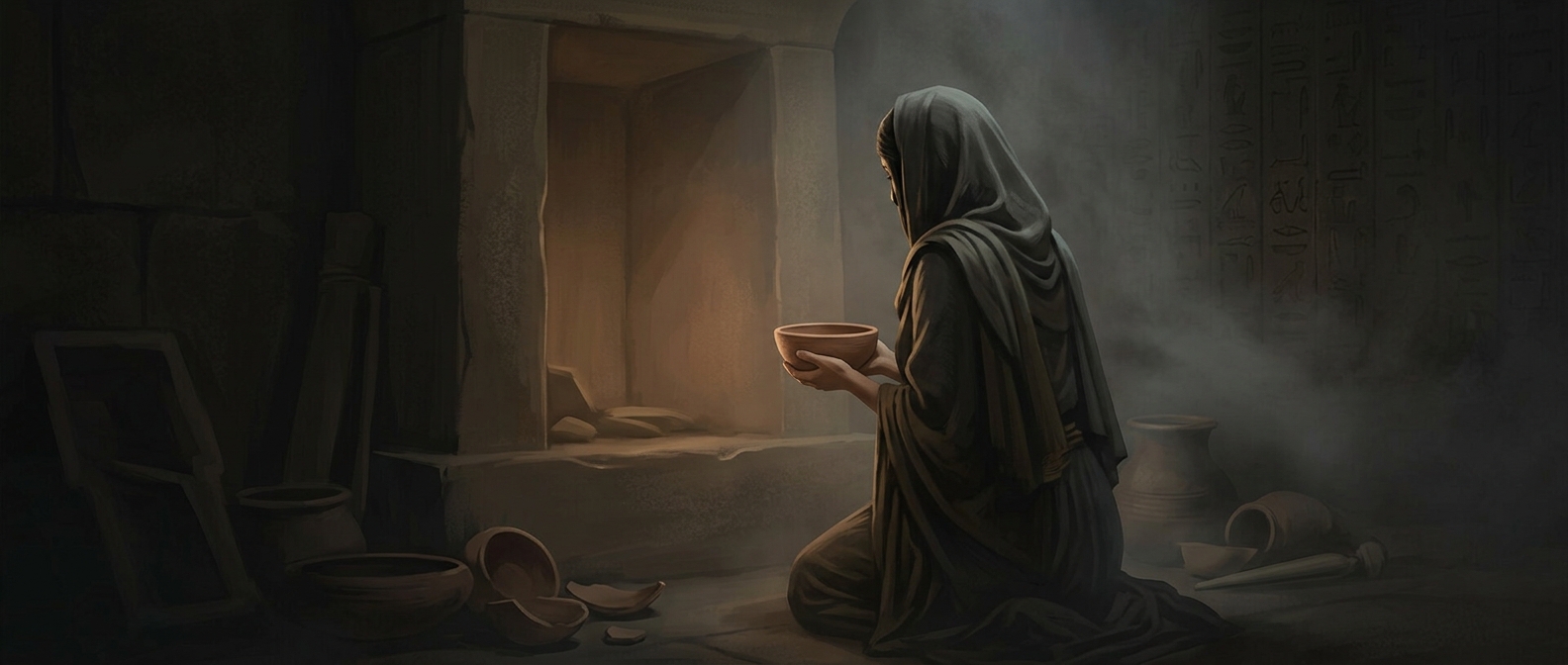
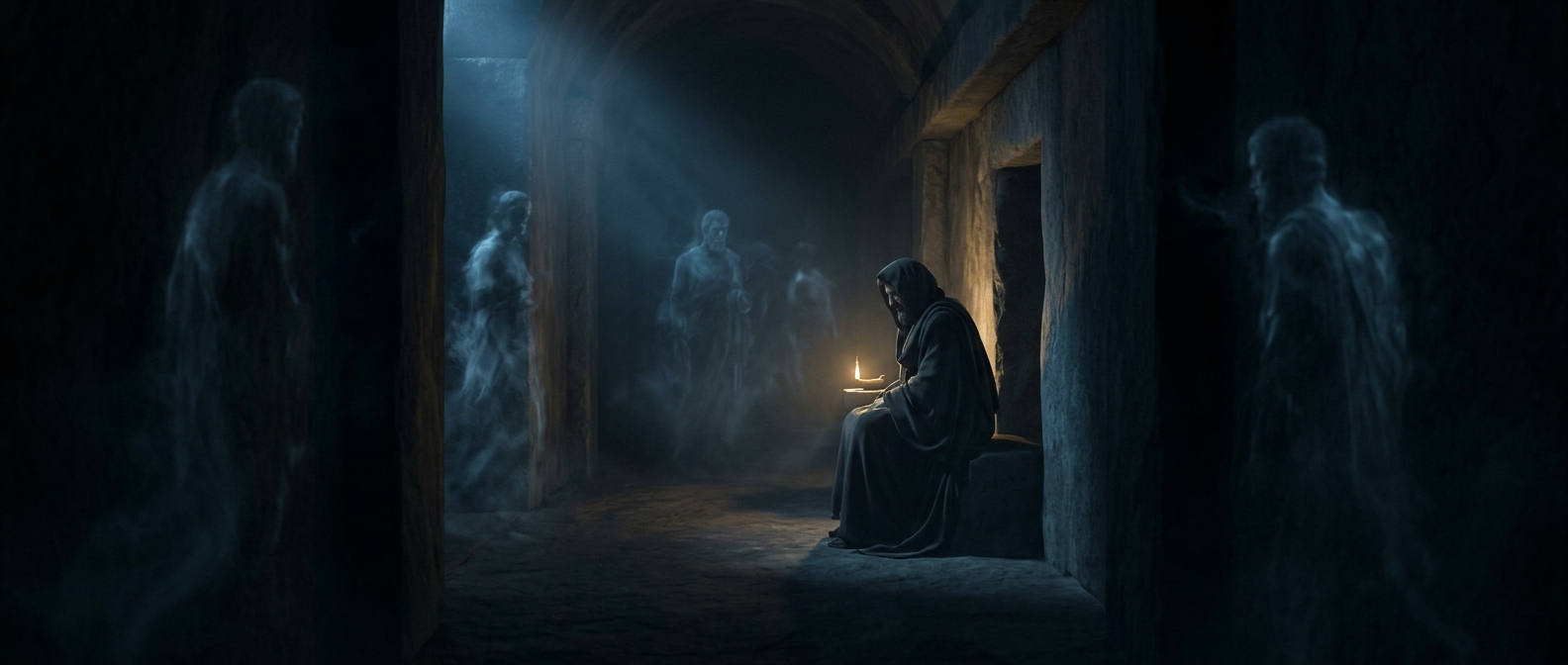
At Ephyra, an ancient sanctuary associated with the dead, visitors came hoping to consult deceased relatives. The reported ritual built suspense before any apparition appeared: visitors spent days in darkness, ate a restricted diet that included beans and lupines, and were led through an underground maze. By the time they reached its inner chamber, ordinary cues—light, orientation, familiar food—had been stripped away.
That preparation mattered. Darkness makes it harder to judge distance and recognize shapes; an unfamiliar passage can heighten uncertainty. In a place where visitors already expected contact with the dead, an indistinct figure or voice could take on powerful meaning. The ritual joined a visitor’s expectation to an environment designed to unsettle the senses.
From Ritual to Apparition
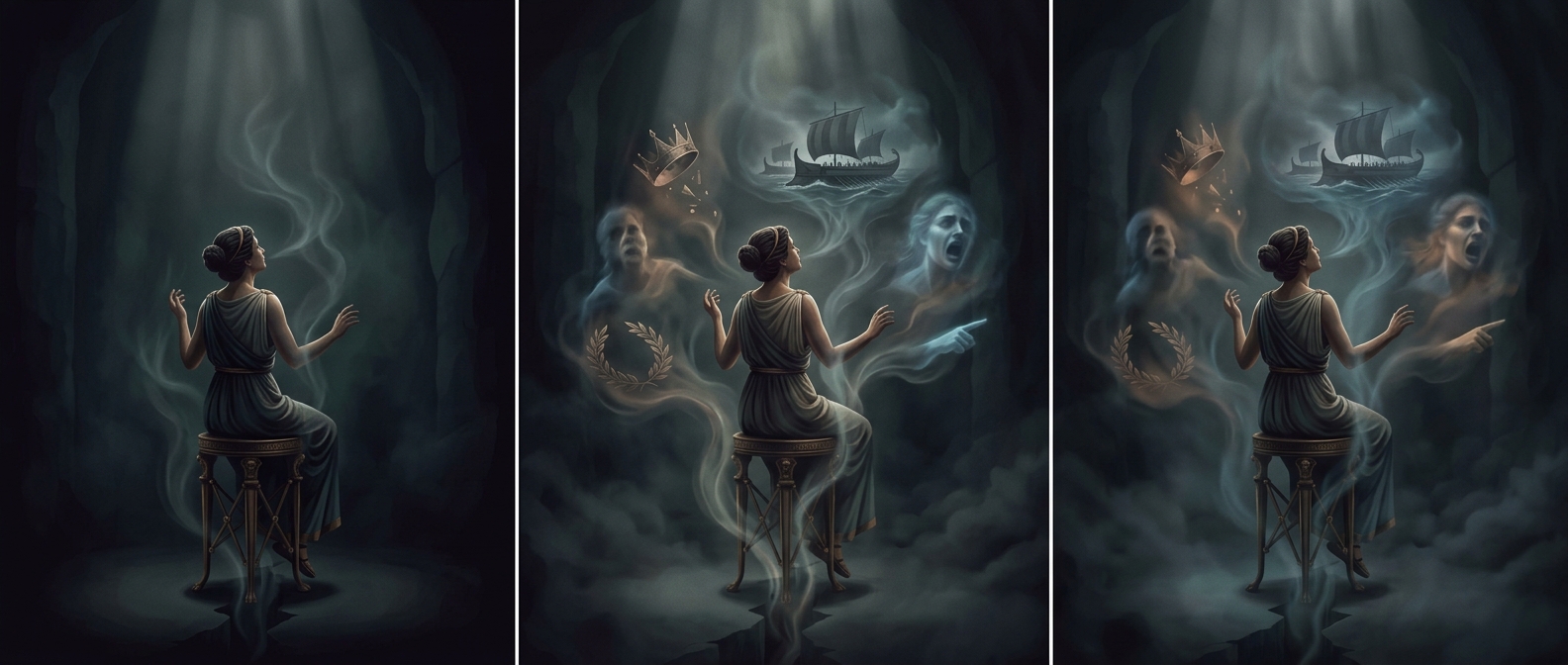
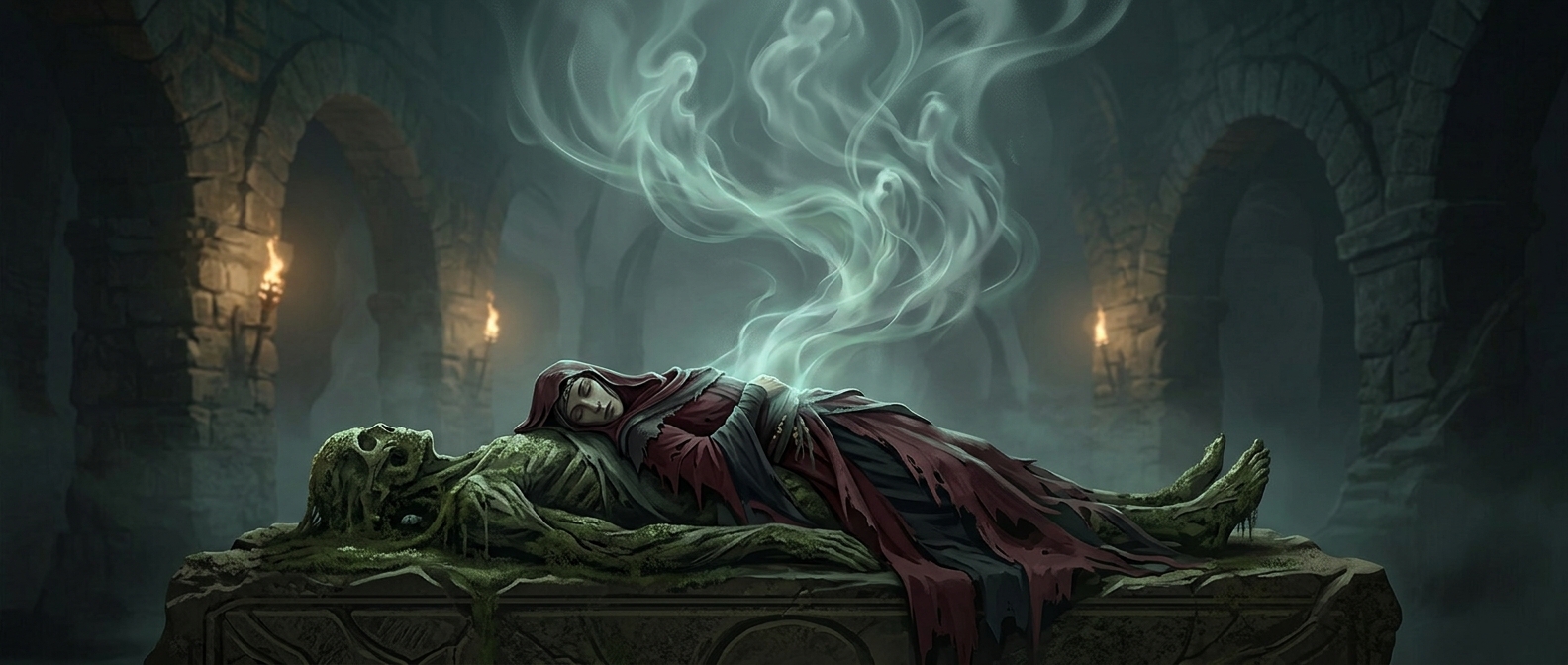
The account describes an apparition staged with a sheet on a pulley. A concealed mechanism could make the figure seem to emerge or move without an obvious person carrying it. In the dim, disorienting setting, the effect would have been less like watching a theatrical trick in daylight and more like encountering something that had crossed into the living world.
The experience was also a service offered to people willing to pay for it, not simply a private act of mourning. The elaborate preparation and hidden machinery gave the encounter the form of a solemn ceremony—and made the priests the guides to a vision visitors could not easily produce or interpret on their own.
The site’s identification and details of the ritual are not equally certain, so the pulley and apparition should be understood as reported features, not a fully documented blueprint. Even so, the sequence is striking: before anyone saw a ghost, the sanctuary had already shaped what darkness, isolation, and expectation might make them believe they were seeing.