A digital face still needs a real performance
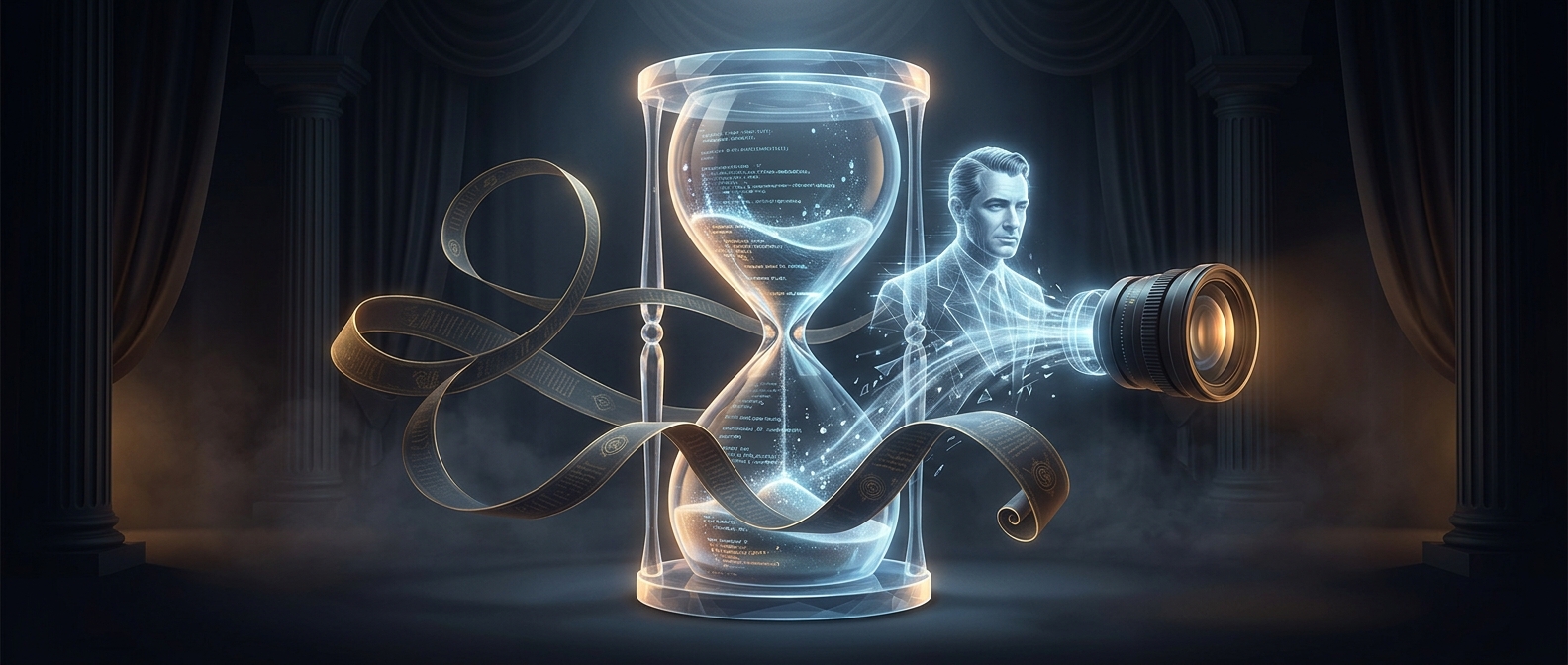
A convincing screen return is usually a collaboration between a living performer and visual-effects artists, not a face animated in isolation. A body double supplies the movement, timing, and physical interaction in a scene. The production then builds or adapts a digital likeness of the deceased actor and fits it to that performance, matching details such as head position, expression, and the way the face moves.
The match has to hold up from frame to frame. Artists adjust the likeness to the shot’s lighting, camera angle, and shadows, then blend it into the filmed image. Even a technically polished face can look wrong if its expression does not follow the body’s movement or the scene’s emotional rhythm. The double therefore helps create the performance the digital work depends on.
Permission shapes what can be made
A recognizable face is not the same as permission to use it. Agreements with an actor’s estate can set boundaries around how a digital likeness may be used. Those terms help determine whether a proposed appearance is allowed and what the production can create; they do not make every imagined performance automatically available.
There is also a practical limit: visual effects can reproduce an appearance, but they cannot recover an actor’s present-day choices. The scene’s gestures and reactions come from a living performer, the filmmakers’ direction, and the digital team’s decisions. That makes a digital return a constructed performance, shaped both by the people making the scene and by the permissions governing the likeness.
The result is a new kind of screen credit
When it works, viewers see a familiar face inhabiting movement filmed for the production. But the final image is assembled from separate contributions: a double’s physical performance, a digital recreation, and the estate’s authorization. That division matters because bringing an actor back on screen is not simply a matter of copying a face—it is deciding what new performance that face will be made to appear to give.