The car changed who controlled the itinerary
Before widespread car travel, a family going far from home often planned around fixed routes and departure times: railways connected major destinations, while local travel at either end required another ride. A car put the family in charge of the route. Travelers could leave when they chose, stop at a small town, or change plans without waiting for the next scheduled train.
That freedom came with a catch: a car was useful only where roads could carry it and drivers could keep it running. Early journeys could involve rough surfaces, uncertain directions, and long stretches without reliable services. The vehicle opened the possibility of a road trip; the growing network around it made the trip manageable.
Roads and roadside services made the journey workable
Better-connected roads gave drivers continuous routes between places, while fuel stations made it possible to travel beyond the reach of a single tank. Repair shops, signs, maps, and places to eat or sleep helped turn a string of uncertain miles into a trip that families could plan. These services followed the traffic, and their presence in turn made driving farther feel less daunting.
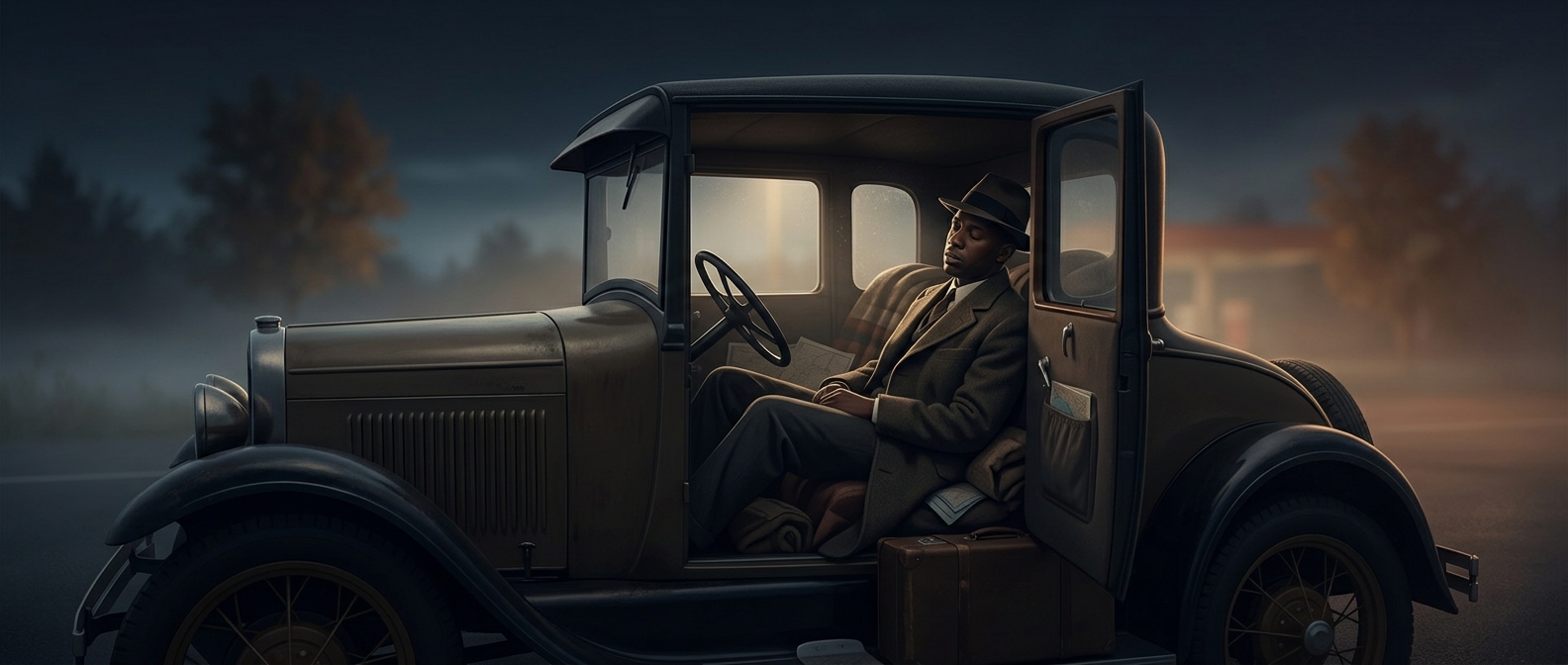
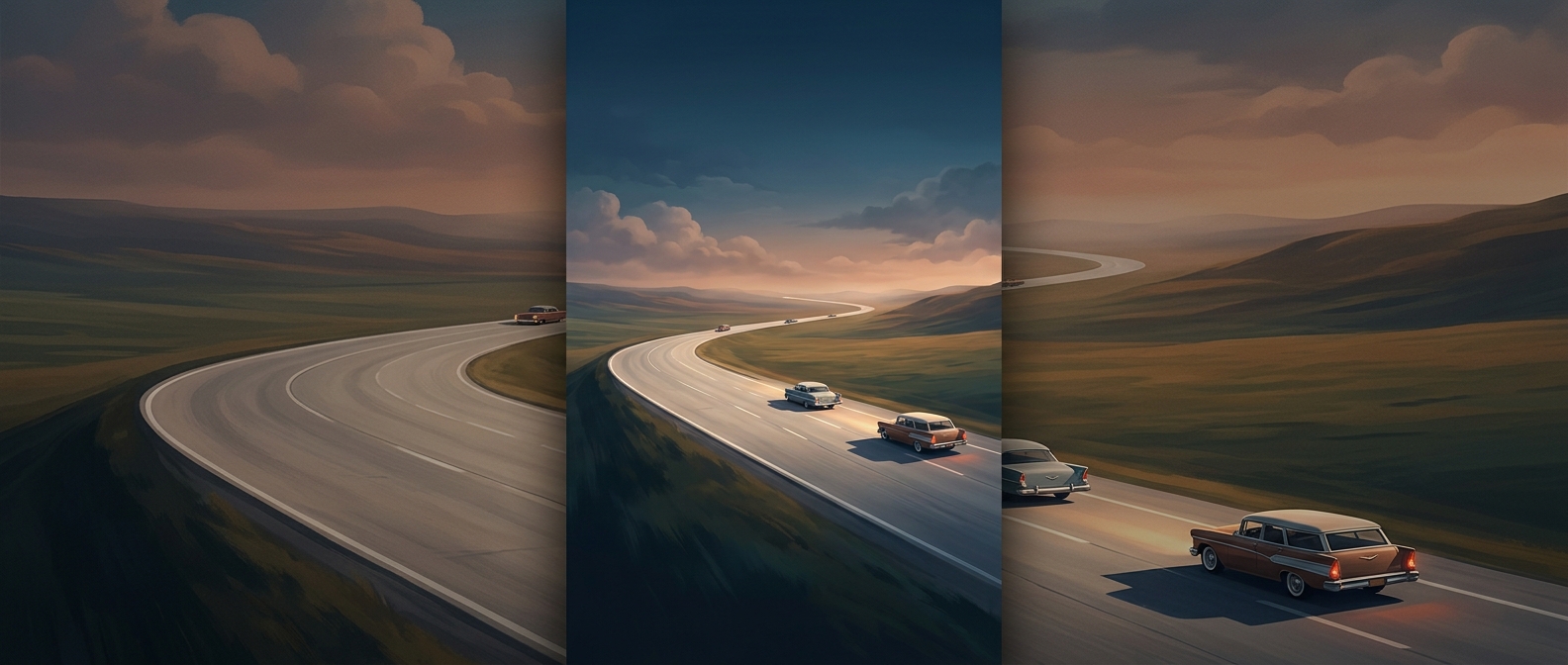
The result was a different kind of vacation. Instead of choosing only among destinations served by a train, travelers could build a trip around the road itself: stop along the way, carry luggage in the car, and adjust the schedule as they went. The road trip was not created by the automobile alone, but by the pairing of a privately controlled vehicle with roads and services that supported it.
Flexibility brought its own logistics
A car removed the timetable, not the need to plan. Drivers still had to choose a route, manage fuel, and decide where to stop, and everyone in the vehicle had to share the space for hours. That tradeoff is part of the road trip’s appeal and its familiar friction: the family can pull over wherever the journey allows, but it must make the journey together.