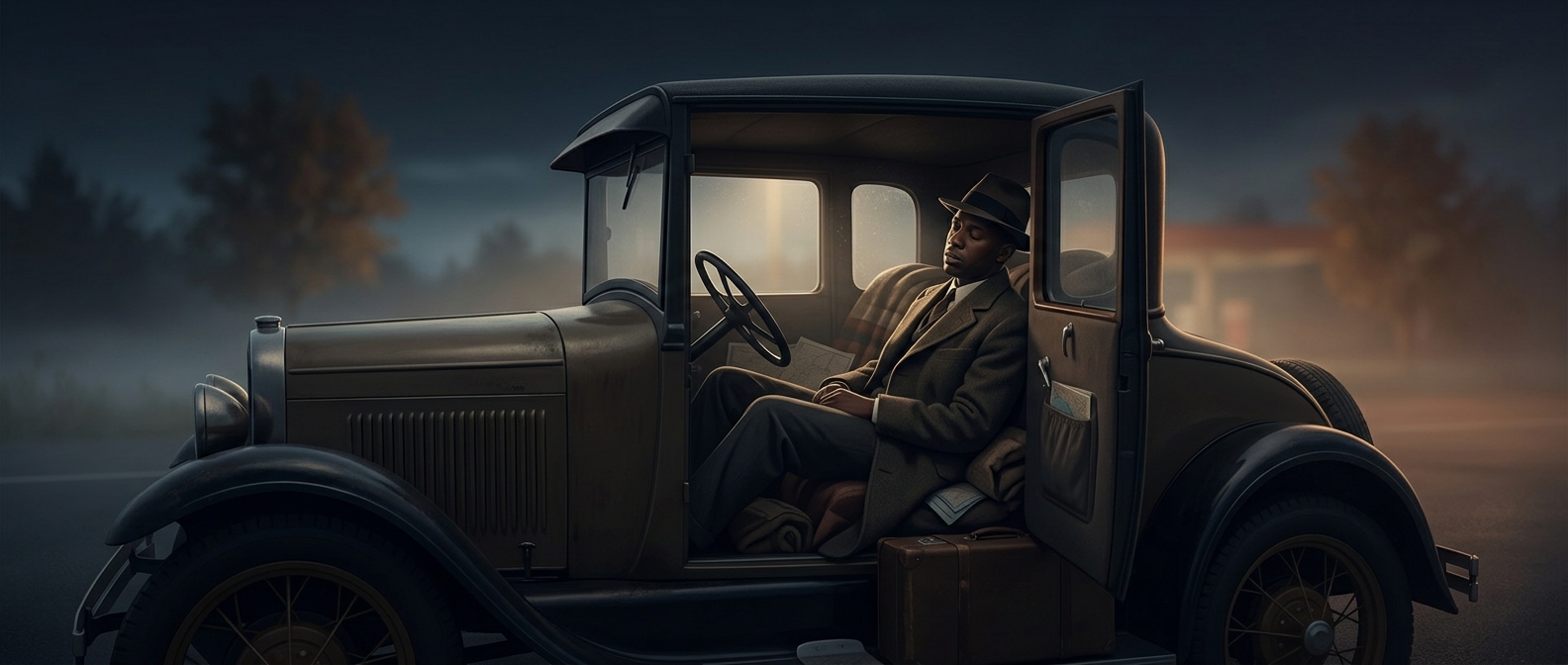
The night Percy Shaw nearly lost the road
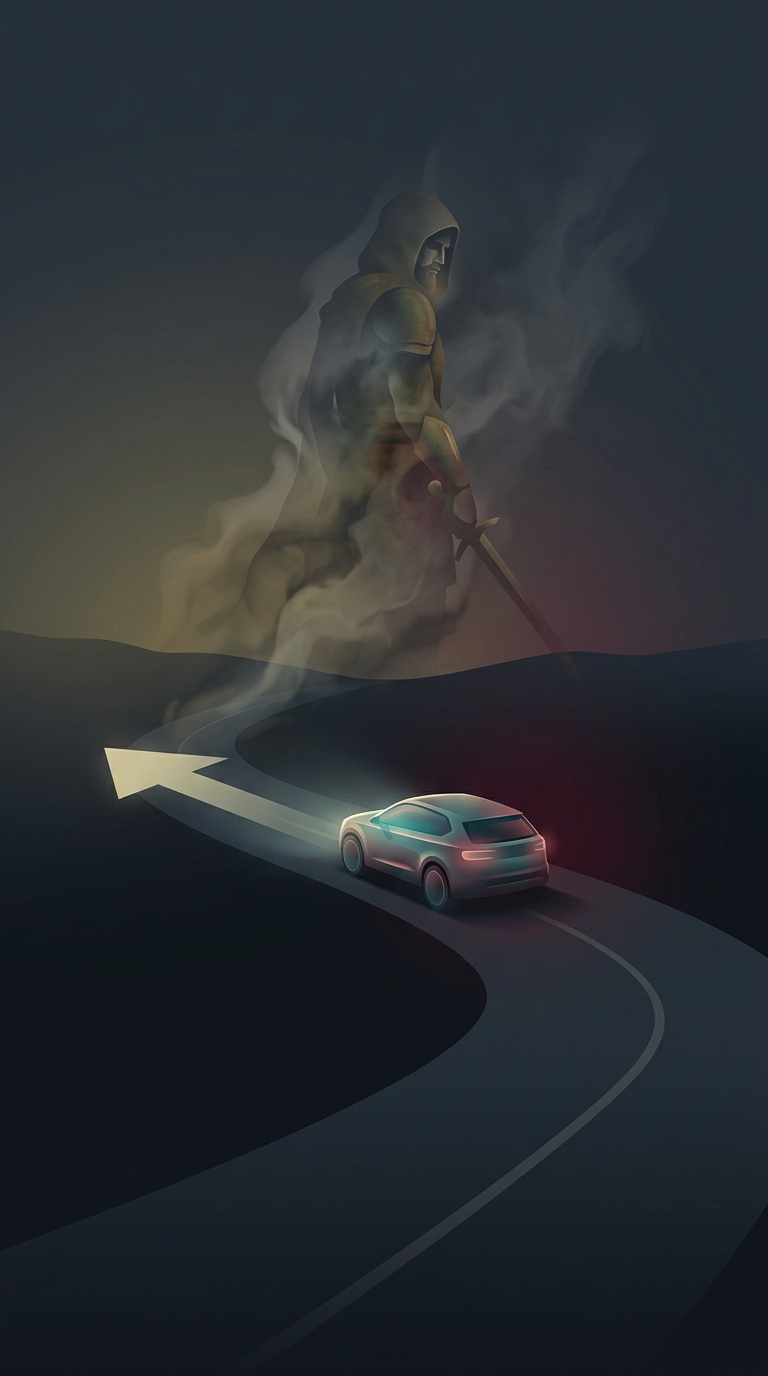
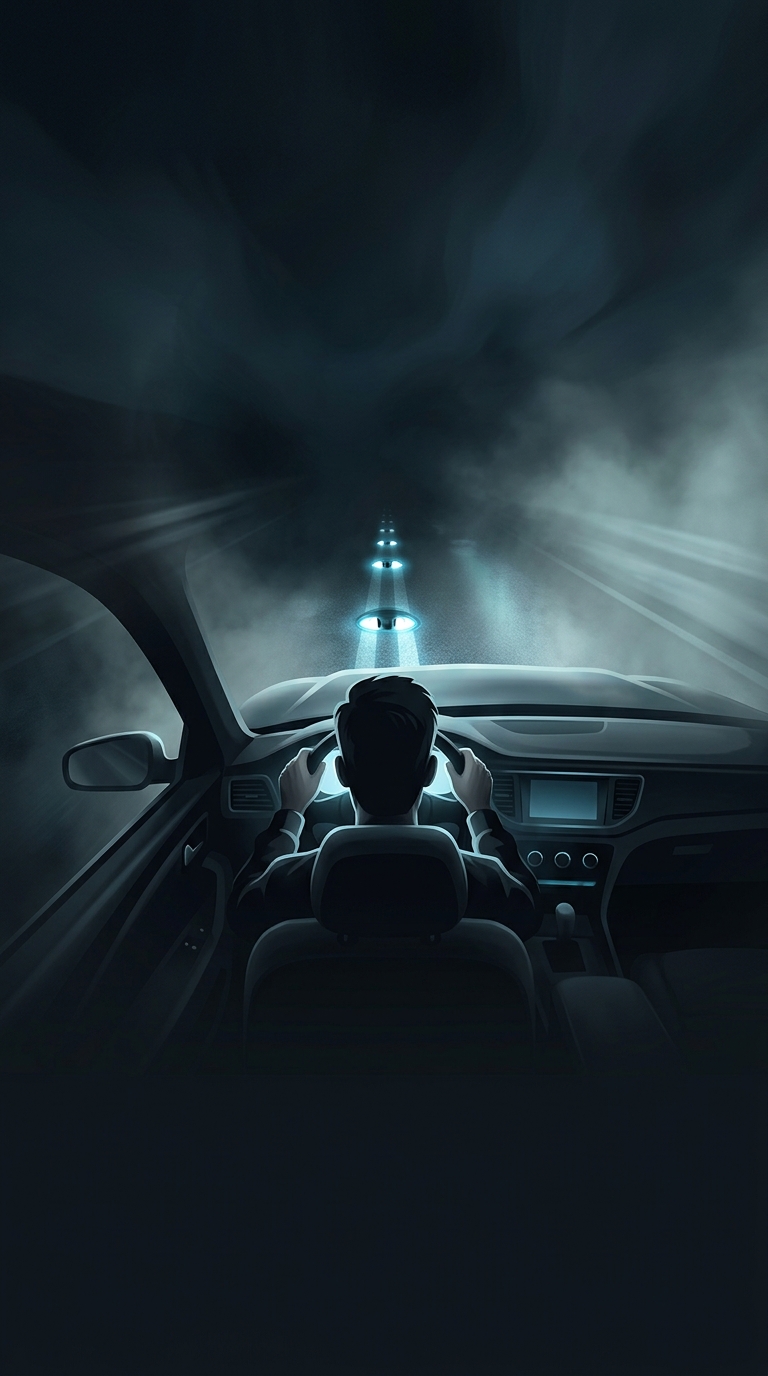
The story behind Catseyes begins with a frightening drive in poor visibility. British inventor Percy Shaw was traveling along a dark, winding road when he nearly veered off it. In the familiar account, a cat’s eyes caught his headlights and shone back, giving him a glimpse of where the road ran. The experience turned a moment of danger into a practical question: could the road itself be made to reflect light to drivers?
From an animal’s eyes to a road marker
A cat’s eyes do not make their own light. A reflective layer behind the retina sends incoming light back toward its source, which is why eyes can appear to glow when headlights strike them. Shaw’s road studs used a similar principle: glass reflectors returned a driver’s headlight beam toward the car, making the road edge or centerline visible at night.
The important design challenge was keeping those reflectors useful on a road exposed to mud, rain, and passing tires. Shaw’s solution put the reflectors in a flexible rubber housing. When a vehicle rolled over a stud, the housing could give under pressure and then spring back, helping clear grime from the reflective surfaces.
A small device with a direct purpose
Catseyes did not illuminate the road like lamps; they helped drivers read its shape using light they already had. That distinction made them useful on unlit stretches, where painted lines could disappear in darkness or wet conditions. Shaw’s near-miss mattered because it revealed what a driver needed most at that moment: not a brighter landscape, but a reliable signal showing where the road continued.