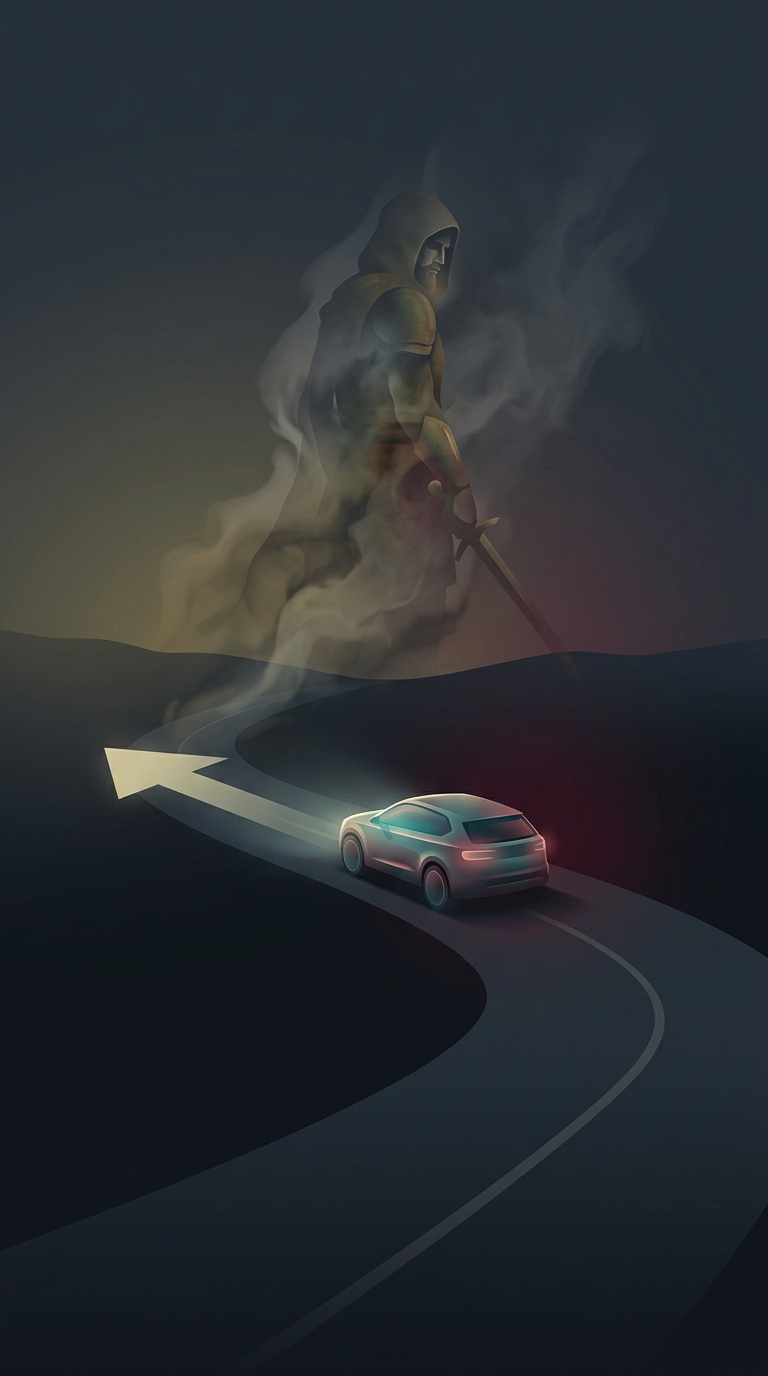
Why the sword hand favored the left
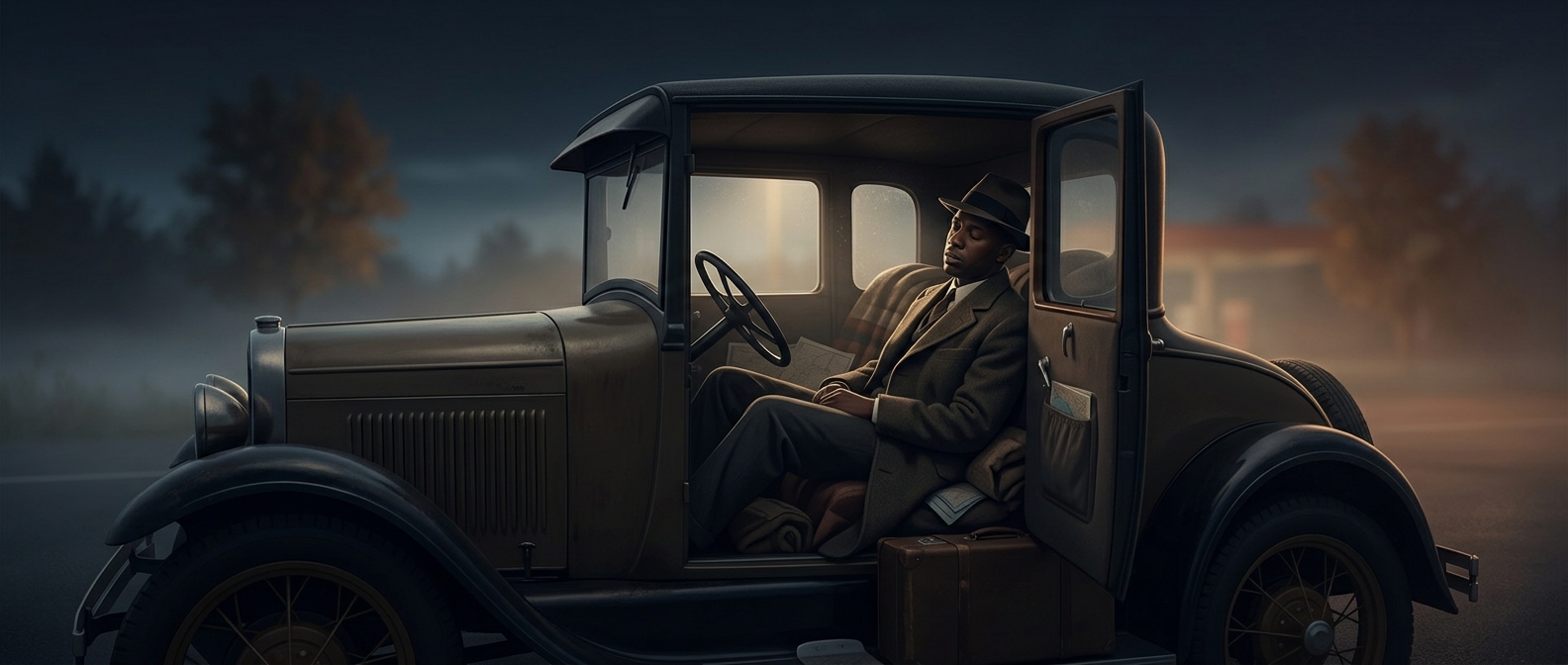
For a traveler on horseback, keeping to the left had a practical—and potentially violent—advantage. Most people were right-handed, and a rider approaching a stranger could keep the right hand, the sword hand, free. Passing on the other person’s right also made it easier to watch for a threat and draw a weapon if the encounter turned hostile.
That custom mattered when roads were shared by mounted travelers, horses, and pedestrians. Keeping to one side made it more predictable where an oncoming rider would appear; keeping the weapon hand toward the center of the road helped a traveler stay ready to defend himself.
From riding custom to road rule
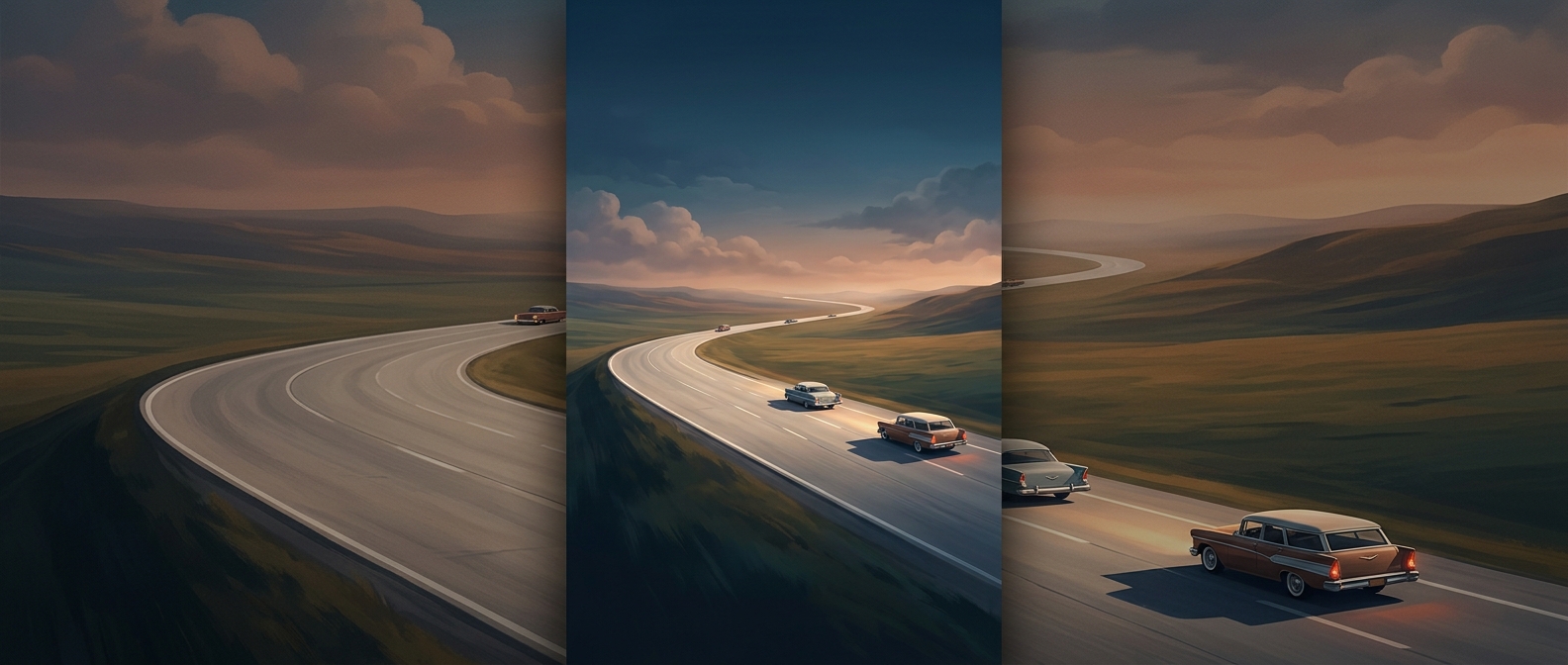
As coaches and other wheeled vehicles became more common, they inherited established habits of road use. Britain later made keeping left a legal requirement, turning a convention into a rule that applied to ordinary traffic—not just armed riders. The old sword-hand logic was no longer needed, but the side of the road was already part of how people traveled.
The weapon explanation is a commonly cited account of the custom, not proof that every British road adopted left-hand travel for one identical reason. Its lasting logic is easy to picture, though: on a narrow road, a right-handed rider could pass with the right hand facing the stranger, ready to defend himself. That small advantage helped make left the familiar side of the road.