Why the First Move Shapes the Whole Game
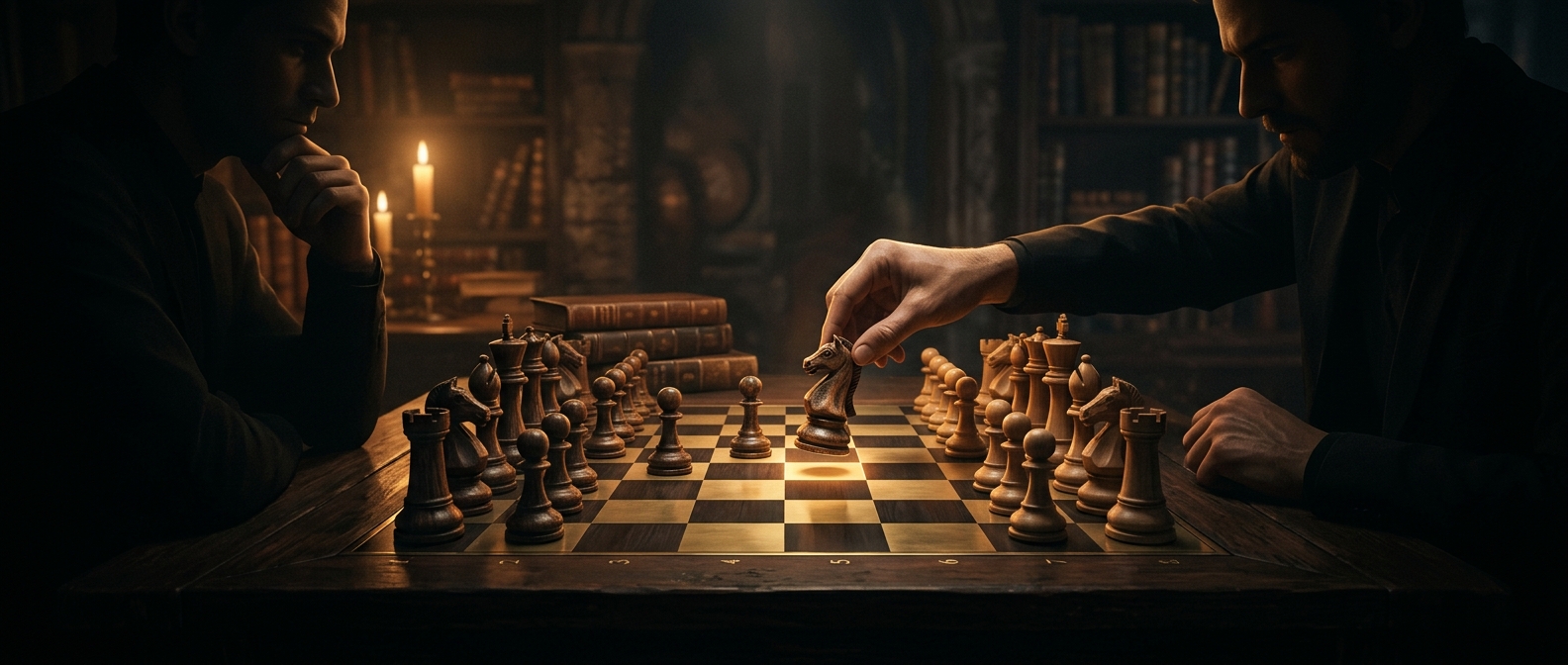
In chess, a tempo is one turn’s worth of activity. White’s opening move supplies the first tempo: White can advance a pawn to claim space, open a path for a bishop or queen, or begin developing a knight while Black is still arranging a response. That head start is real, but limited. Black gets the next move and can contest the center, develop pieces, and steer the game toward positions where White’s initial choice matters less.
The rule creates an asymmetry in the game’s structure, not a promise that White will win. Opening theory—the accumulated study of early move sequences—often treats White as the side that can press first and Black as the side seeking a sound answer. A line that looks passive for Black may still be successful if it neutralizes White’s activity and reaches a balanced position.
How Players Keep the Advantage in Check
Because the opening move is attached to a color, organized play commonly balances colors across multiple games: players switch sides so that each gets a chance to move first. In a single game, the assignment is settled before play begins; there is no midgame procedure for choosing who starts.
This fixed order also gives chess openings their familiar rhythm. Every plan begins with White making a proposal and Black deciding whether to match it, challenge it, or sidestep it. The first move is therefore not just a privilege—it sets the question the opponent must answer.