How a Military Maneuver Became a Game of Capture the Flag
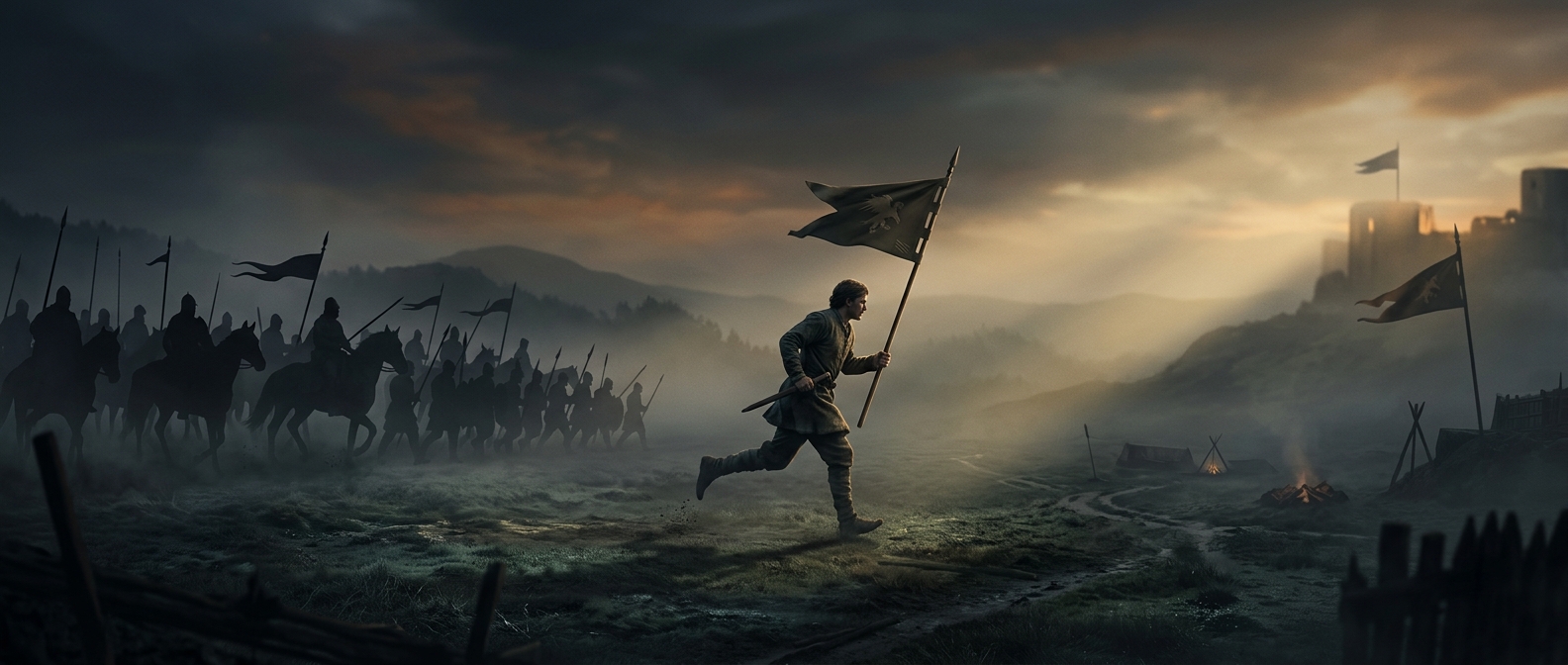
A flag makes an invisible tactical problem visible. In military training, scouts had to move around an opposing force’s position, reach a target, and avoid being detected. Give each side a flag to guard, and the same challenge becomes easy to understand: one team must get past the other’s defenses and return with its objective intact.
The game preserves the basic tension of the maneuver without requiring players to fight. A direct rush may be fast, but it is also easy to spot. A wide detour can avoid defenders, but it leaves fewer teammates to protect your own flag. Players have to decide whether to attack, guard, or create a distraction—and adjust when the other side moves.
The Flag Turns Strategy Into a Shared Objective
A flag is more than a marker. It gives the attacking team a clear destination and gives defenders a reason to watch specific routes. Because both teams have something to steal, no one can focus entirely on offense: leaving the home area undefended may make a daring raid pointless if an opponent takes the other flag first.
That simple setup lets players practice coordination as well as individual stealth. One player can draw defenders toward one side while another tries a different route; teammates must communicate about danger and respond to changing positions. The flag transforms flanking—from an abstract military tactic into a visible choice between the safest route, the fastest route, and the one your opponents least expect.