When New York society became the playing field
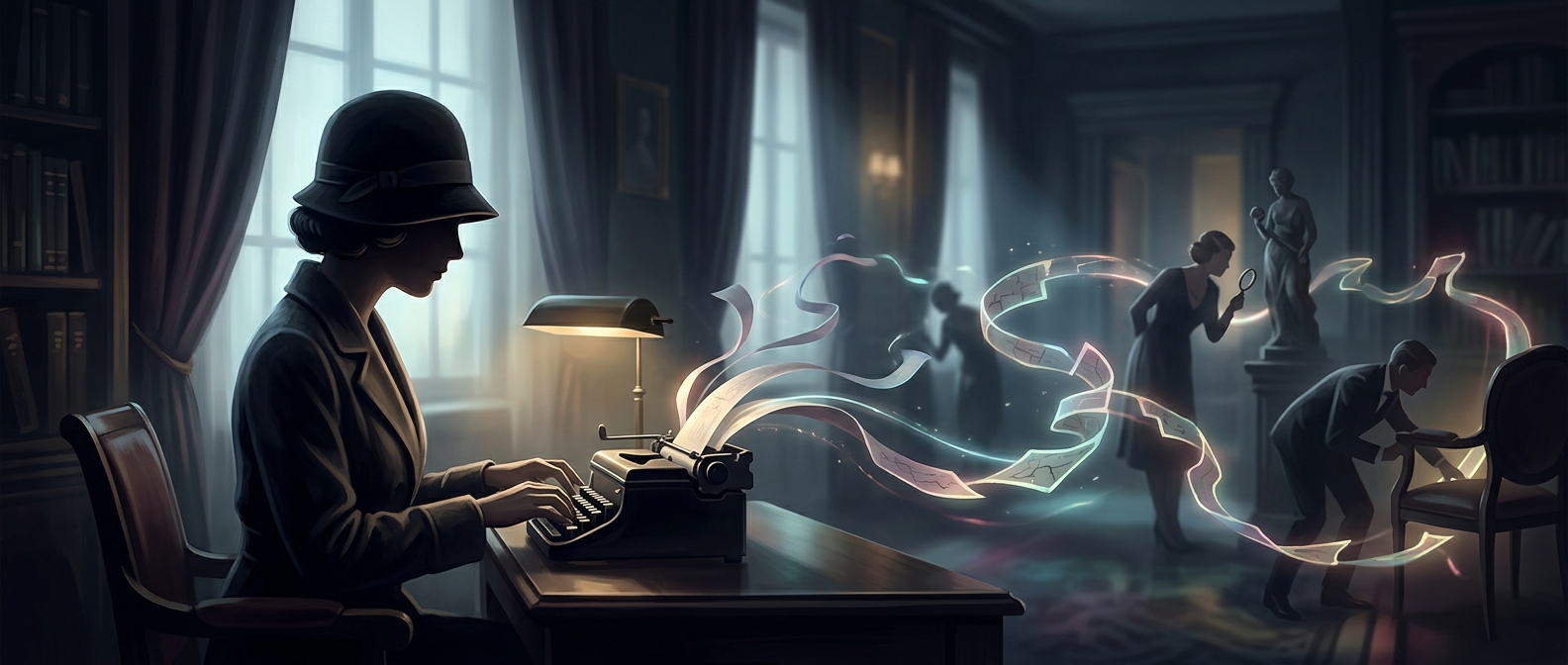
In the 1930s, gossip columnist Elsa Maxwell turned a familiar party game into a citywide social performance. Instead of searching one room for hidden objects, participants followed clues around New York, racing to find items or information before their rivals did. Streets, shops, and chance encounters became part of the game’s terrain.
The hunt’s appeal came from mixing a puzzle with a public spectacle. Socialites had to interpret clues, make quick decisions, and enlist help as they moved through the city. That made the event lively even for people who were not competing: the players themselves became the show.
The clues could collect more than objects
Maxwell’s hunts also drew on the world she covered as a gossip writer. A clue could send players after material tied to someone’s private life, turning the search into a playful contest for scandal as well as a test of ingenuity. Gossip was no longer just something to read about later; it became something participants pursued together.
That combination made the hunt especially suited to high society. It rewarded nerve and social connections, while giving people a reason to mingle beyond the usual party-room conversation. The citywide chase helped make scavenger hunts a recognizable form of entertainment—and gave the gossip columnist a way to turn the pursuit of a story into the evening’s game.