How a switched choice can feel like your own
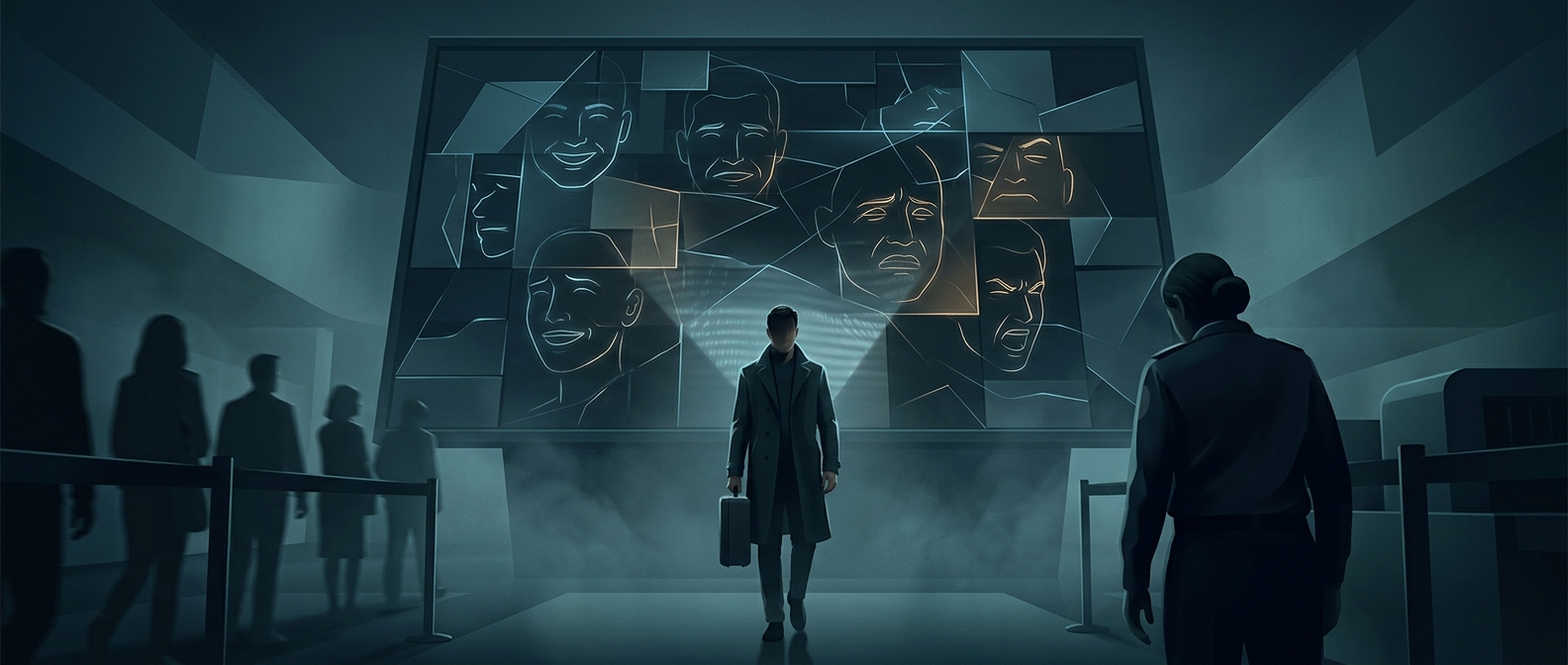
In a choice-blindness experiment, a person might select the more appealing of two faces. A researcher then uses a concealed method to present the unchosen face instead and asks the person to explain the selection. The revealing moment is not simply that some people miss the switch: many can give a reason for a preference they did not express.
A choice is not always stored in memory like a signed receipt. People may remember the options and their current reaction without retaining a precise record of which option they selected. If the mismatch goes unnoticed, the face now in view becomes the starting point for an explanation: perhaps its expression seems warmer, or its features seem more distinctive. The explanation can feel sincere because it describes a real impression, even though that impression did not cause the original choice.
The mind explains the evidence it has
This is a form of confabulation: filling a gap in knowledge with an account that seems to fit, without deliberately making something up. The person is not necessarily lying or pretending to remember. The mind can generate a plausible reason from the information available in the moment, and confidence in that reason does not prove that it reflects the earlier decision process.
That does not mean people are generally unaware of their preferences or that every explanation is invented. Choice-blindness depends on the setup and on whether the switch is detected. Its value is narrower and more striking: when people lack access to a decision’s details, they may mistake a good explanation for a record of what happened.
Why the distinction matters
In everyday life, people often explain choices after the fact—to themselves as well as to others. A polished reason may be genuine as a current judgment while still being a poor account of what drove the original choice. The experiment’s memorable lesson is that feeling certain about why you chose something is not the same as remembering the choice being made.