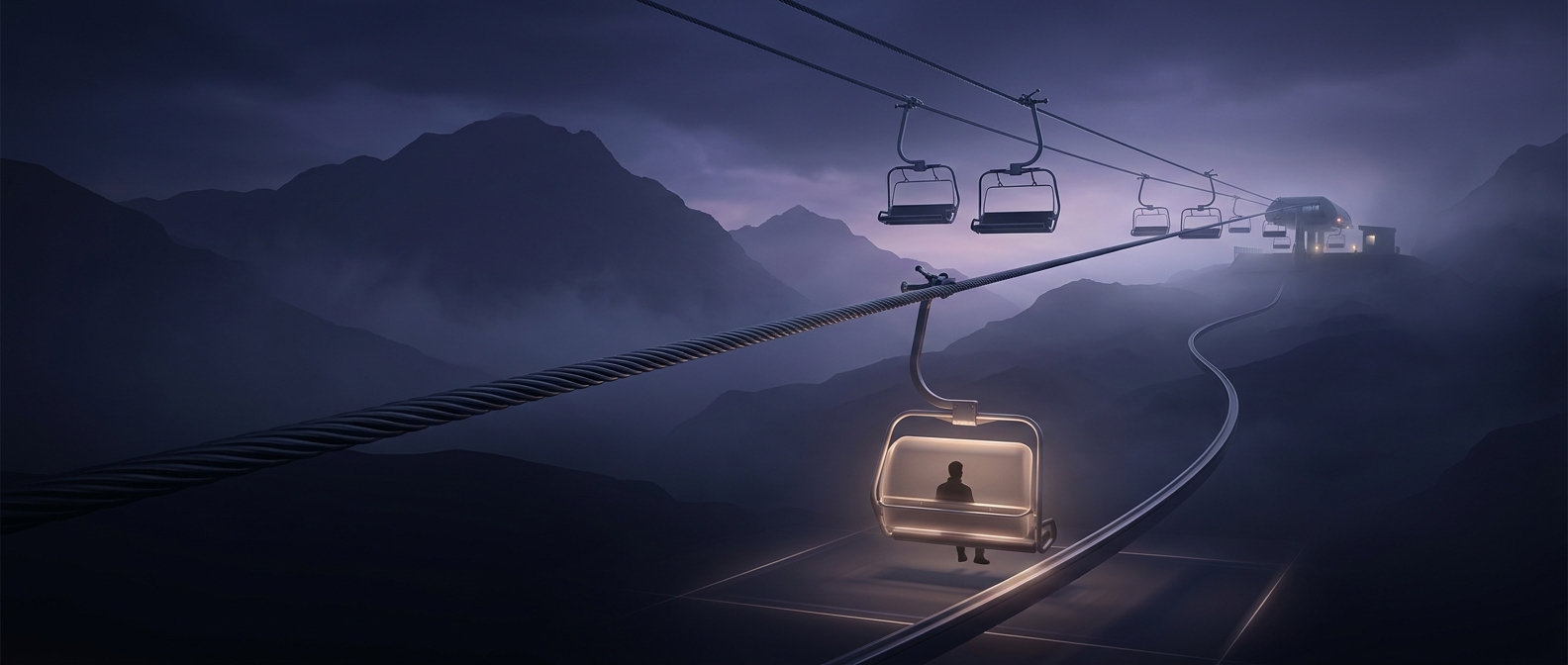
A separate speed for the station
On a detachable chairlift, the cable moves quickly enough to carry riders up the mountain efficiently, but that speed would make stepping onto a chair difficult. The solution is to let each chair travel at two speeds: fast on the exposed line and slow inside the terminal.
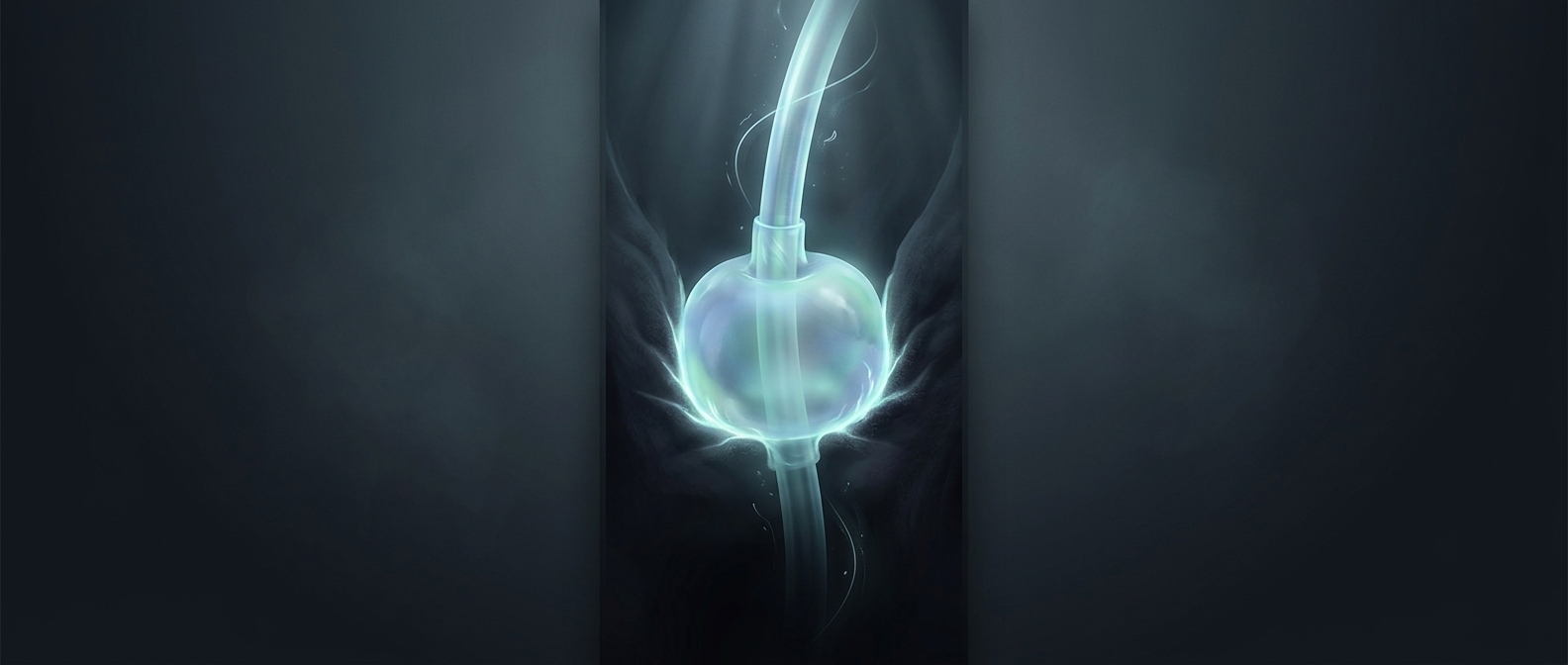
A spring-loaded grip normally clamps the chair’s hanger to the moving cable. At the station, a mechanism guides the grip open, separating the chair from the cable. The cable keeps moving at its usual pace; the chair does not have to slow the entire lift.
Tires take over the motion
Once detached, the chair’s hanger rolls along a fixed track. Powered tires press against its moving parts and carry it through the terminal, gradually reducing its speed. Because the chair is no longer being pulled directly by the fast cable, this separate drive can bring it down to a pace suited to loading.
The chair then travels through the boarding area, where riders can sit down and lower the safety bar. On the way out, another set of tires accelerates it until its grip matches the cable’s speed. The grip closes around the cable, and the chair heads uphill again.
Why the change matters
The terminal is doing two jobs that would otherwise conflict: keeping chairs moving quickly between stations while giving passengers time to get on and off. Slowing only the chairs inside the station lets the lift maintain a faster line speed without asking riders to board at that same speed. Once the chair reconnects, it is the cable—not the station tires—that carries it up the mountain.