How a small disc can tow a skier uphill
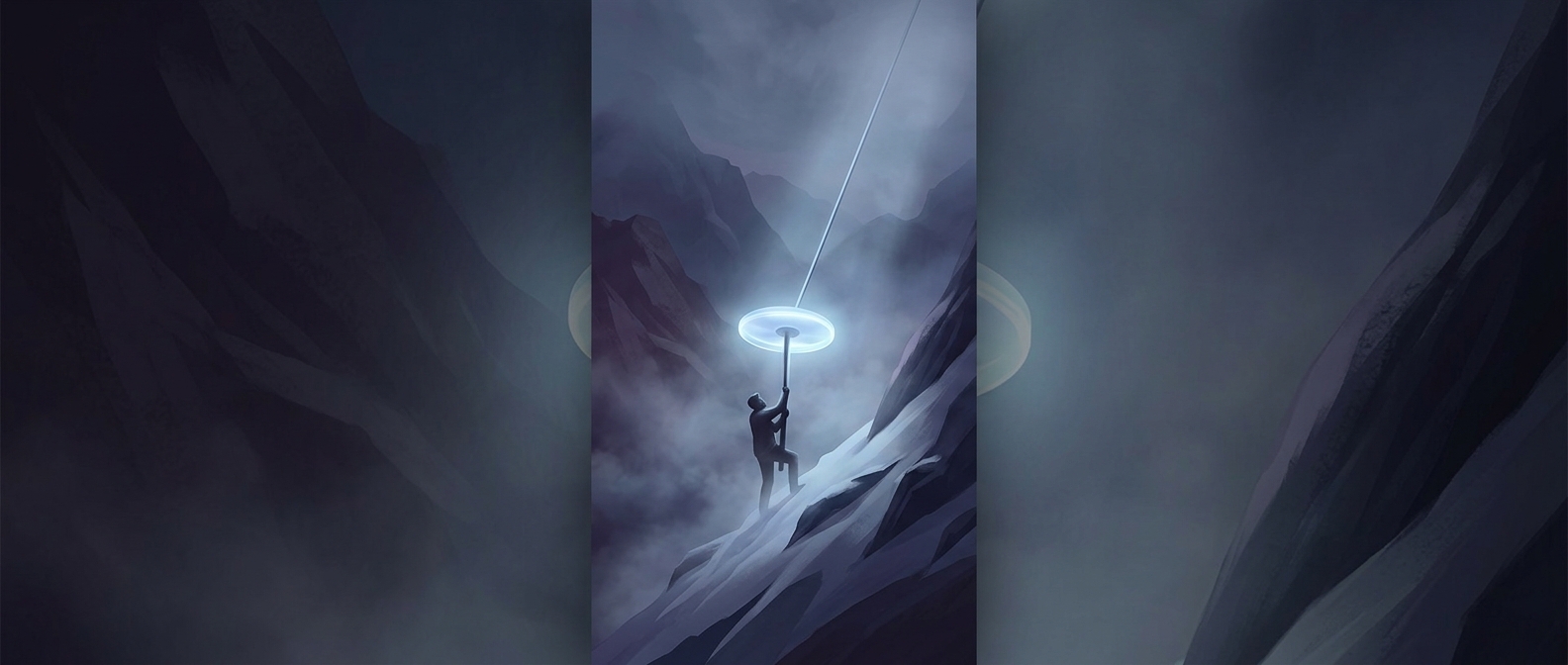
The disc is not a seat. It acts as a padded contact point: the moving cable pulls the pole, and the disc presses against the skier’s inner thighs. That pressure transfers the cable’s uphill pull to the skier’s body while their skis remain on the snow.
The skier keeps their skis pointed uphill and gliding rather than trying to walk or push off. Their legs and balance help keep them aligned with the tow path. The lift supplies the steady forward force; the skier mainly has to stay upright and let the skis slide.
Why the ride takes practice
Unlike a chairlift, a surface tow never lifts the skier clear of the slope. The skier must manage small changes in terrain and keep the skis from crossing or drifting sideways. The disc can feel awkward at first because it pushes from between the legs, but holding it in place lets the pole tow without requiring the skier to grip the cable itself.
At the top, the skier moves the disc aside and glides away from the tow path. That simple transfer—from cable to pole to disc to skier—is what turns a continuously moving cable into an uphill ride without a chair or cabin.