A newspaper attack carried the weight of the state
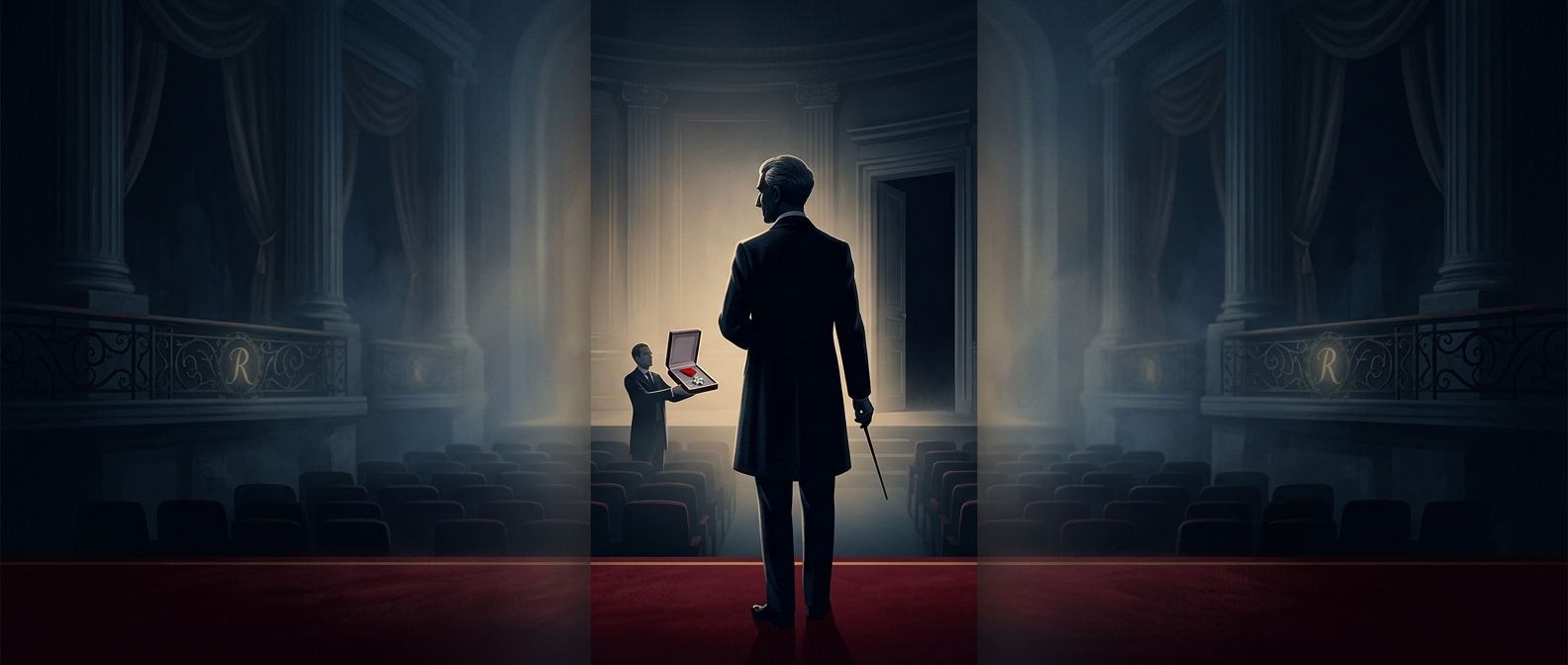
When Lady Macbeth of Mtsensk opened in 1934, it was a success. Shostakovich’s opera was bold and dissonant, with music that could shift abruptly between lyricism, violence, and grotesque comedy. In January 1936, after Joseph Stalin attended a performance, Pravda—the Communist Party’s main newspaper—published an unsigned denunciation under the headline “Muddle Instead of Music.” It condemned the opera’s style and suggested that its composer had lost touch with Soviet audiences.
The danger lay not only in the criticism itself. In Stalin’s Soviet Union, a public attack in the party press signaled that someone powerful had marked a person as politically suspect. It was not an arrest warrant, but it offered little reassurance: officials, colleagues, and cultural institutions could treat the denunciation as a warning about what was safe to support.
Why the fear reached into his home
The 1930s brought a wider wave of arrests, including the mass repression known as the Great Terror. The secret police could take people from their homes, often at night. Families might be left without knowing where a relative had been sent—or whether they would see them again. Against that backdrop, Shostakovich’s fear was not simply anxiety about a bad review. It was the fear that a shift in official favor could become a threat to his family as well as his career.
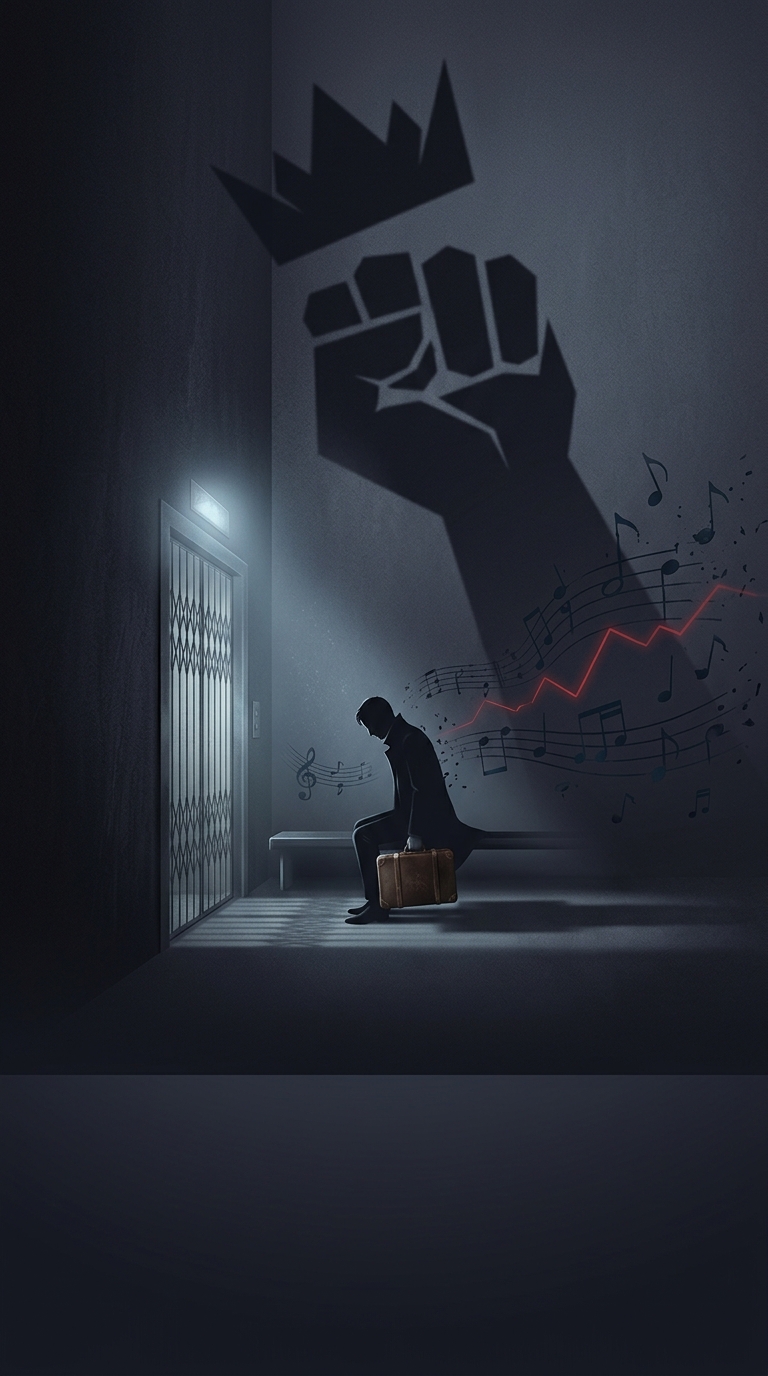
His packed suitcase and nights near the elevator turned that uncertainty into a physical routine: he could leave quickly and, he hoped, avoid waking his family if officers came. They did not arrest him then. But the episode shows how political pressure worked even without a knock at the door: the possibility of arrest could govern a person’s nightly life before any arrest occurred.