A composer’s unlikely pastime
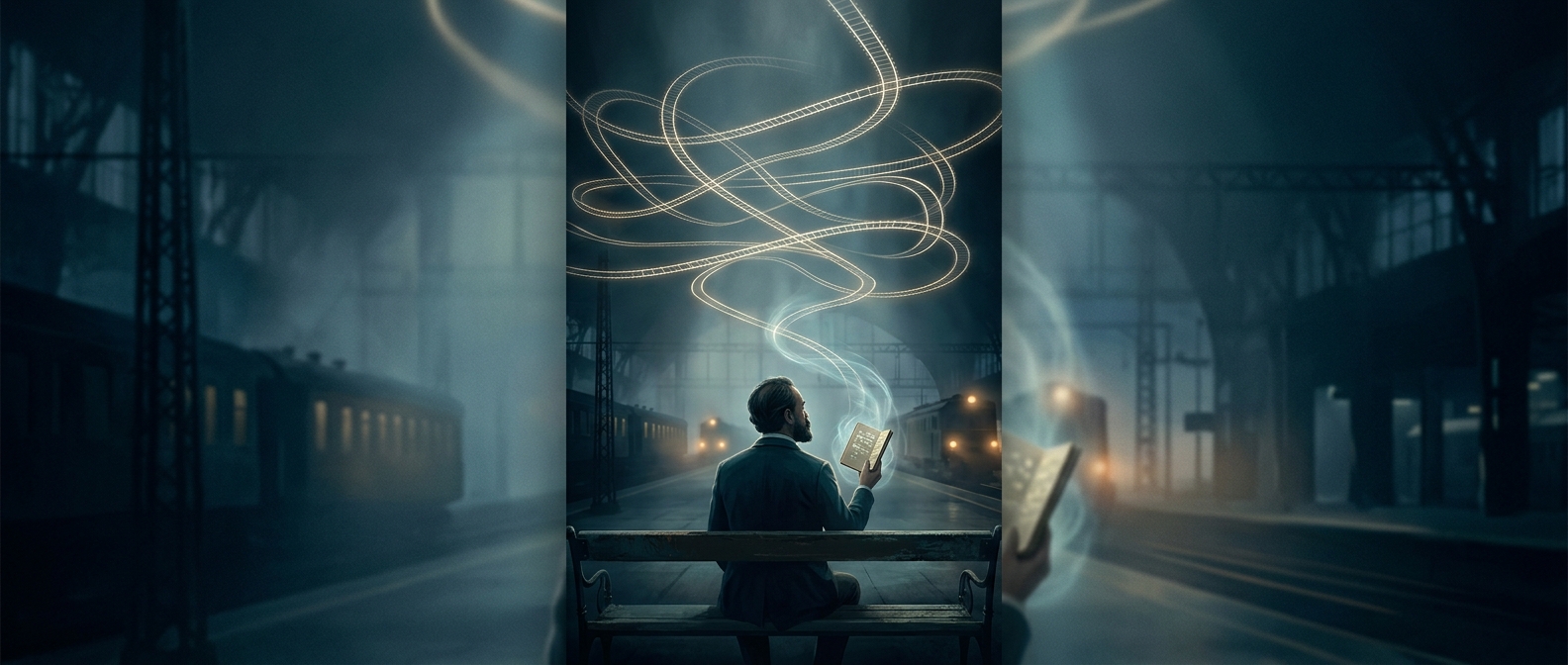
Accounts of Antonín Dvořák’s interest in railways describe more than casual train-watching: he reportedly learned timetable details and locomotive types well enough to quiz his students. The appeal may be easy to miss today, when schedules are searched on a phone. In the nineteenth century, a timetable was a printed puzzle of routes, departure times, and connections—information that rewarded close attention and a good memory.
Railways made their own kind of system
A locomotive was not simply “a train.” Different models had distinct designs and capabilities, and recognizing them meant noticing practical differences in the machinery. Timetables added another layer: to follow a journey, a reader had to track how separate services fitted together. For someone who enjoyed trains, memorizing those details turned travel information into a subject to master.
Dvořák’s habit also gave his students an unexpected test of attention. The anecdote suggests that his curiosity extended beyond music into the everyday technology transforming travel in his era. It does not establish that railway timetables influenced his compositions; it shows, more modestly, that he took pleasure in a precise world of routes, times, and engines—and remembered enough of it to make the classroom a quiz.