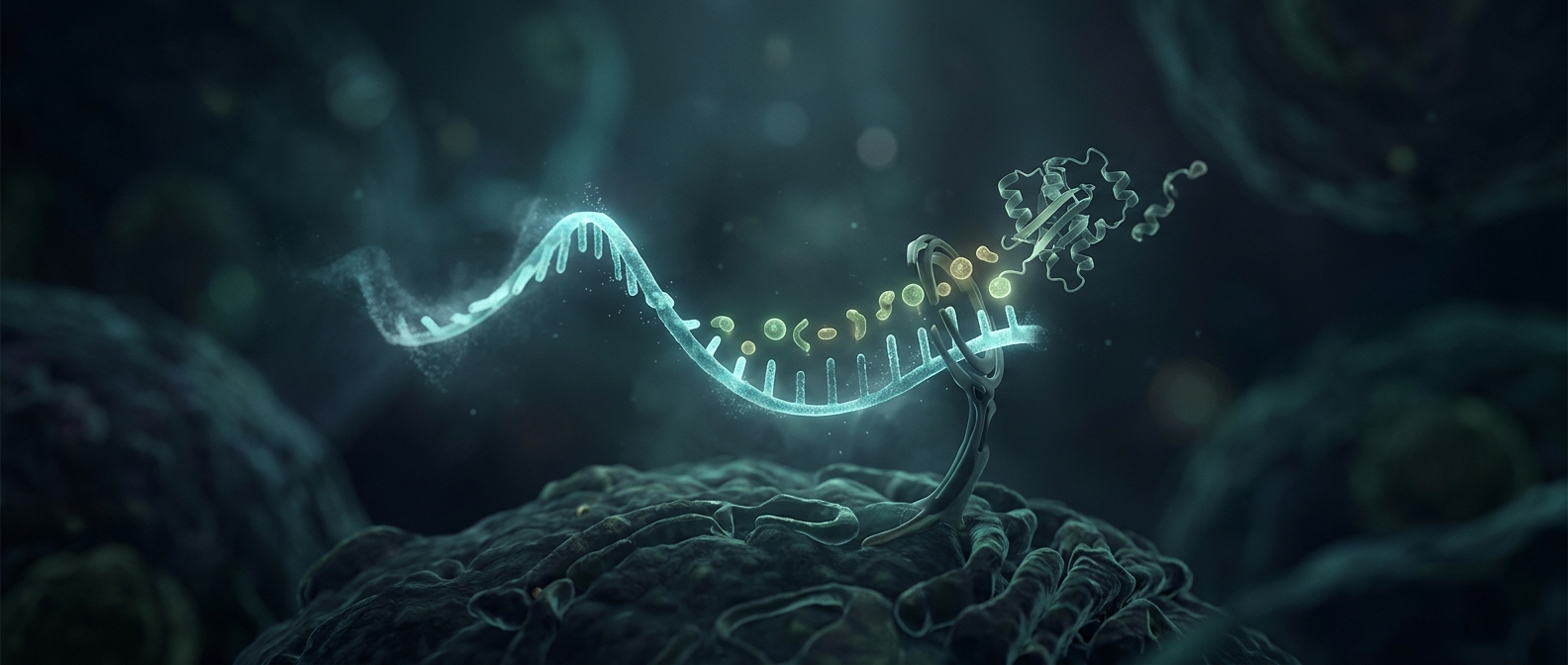
How vitamin D reaches a cell’s control room
Vitamin D’s influence on genes begins after the vitamin is converted in the body into its active form. That molecule can enter cells and bind to the vitamin D receptor, a protein that acts as a gene regulator. Once activated, the receptor partners with another protein and attaches to particular stretches of DNA, helping turn the activity of nearby genes up or down.
This is not a simple on-off switch. The receptor works with other cellular proteins, and its effects depend on the cell type and the signals the cell is receiving. As a result, vitamin D can participate in different tasks in different tissues.
Why one nutrient can affect so many genes
Genes operate in connected networks: one gene may help make a protein that influences other cellular processes. Vitamin D signaling can therefore affect a broad set of instructions, including genes involved in immune-cell activity. Some changes happen through the receptor’s direct contact with DNA; others follow indirectly as one change in gene activity leads to another.
When vitamin D is severely deficient, cells have less of the active signal available to engage this pathway. Regulation can shift across hundreds of genes—not because vitamin D controls every one of them by itself, but because its receptor participates in a network of linked cellular instructions. The scale of the effect comes from how genes are connected, not from vitamin D acting as a master switch.
What that does—and doesn’t—mean
A change in gene activity is not automatically a disease or a measurable change in how the body functions. The consequences depend on which genes are affected, in which cells, and how strongly their activity changes. Still, the mechanism helps explain why a deficiency in one nutrient can reach beyond a single bodily process: it can alter the signals that cells use to coordinate many tasks.