Why a railway goes through the mountain’s base
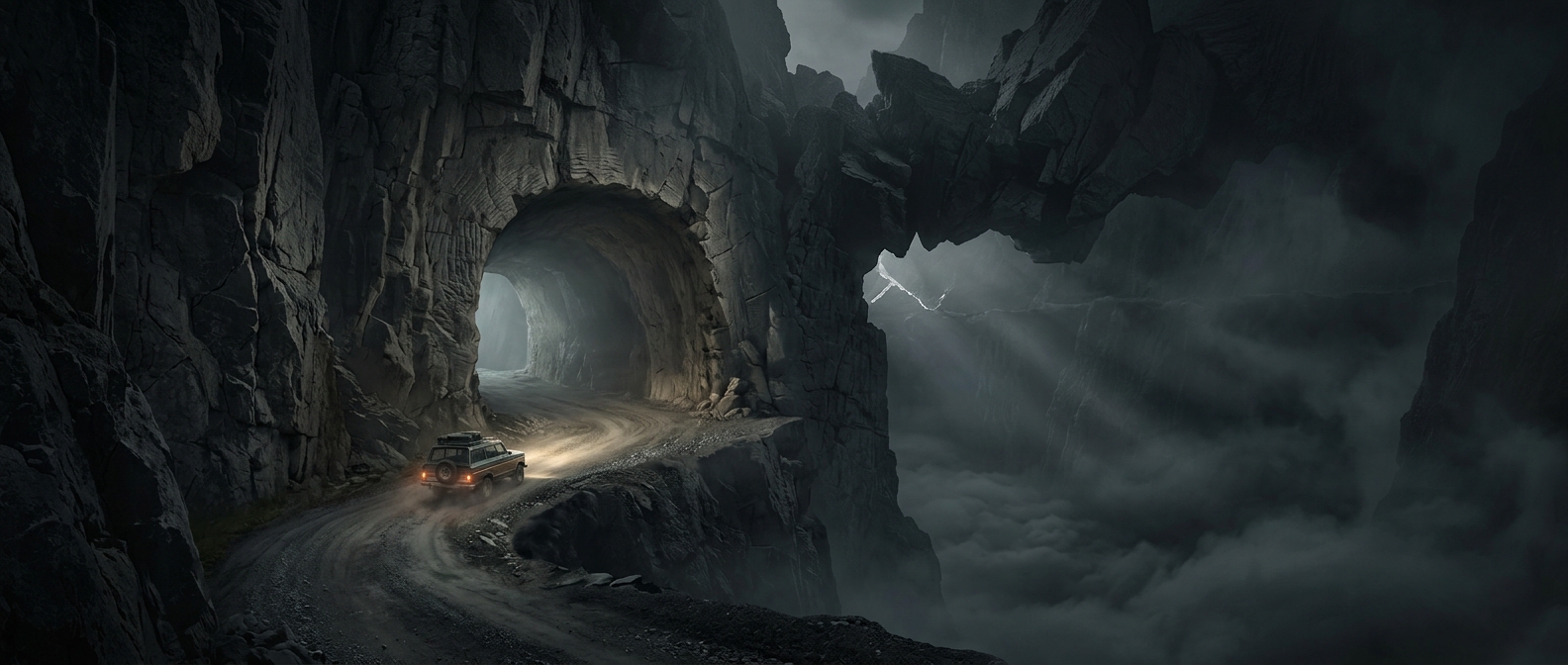
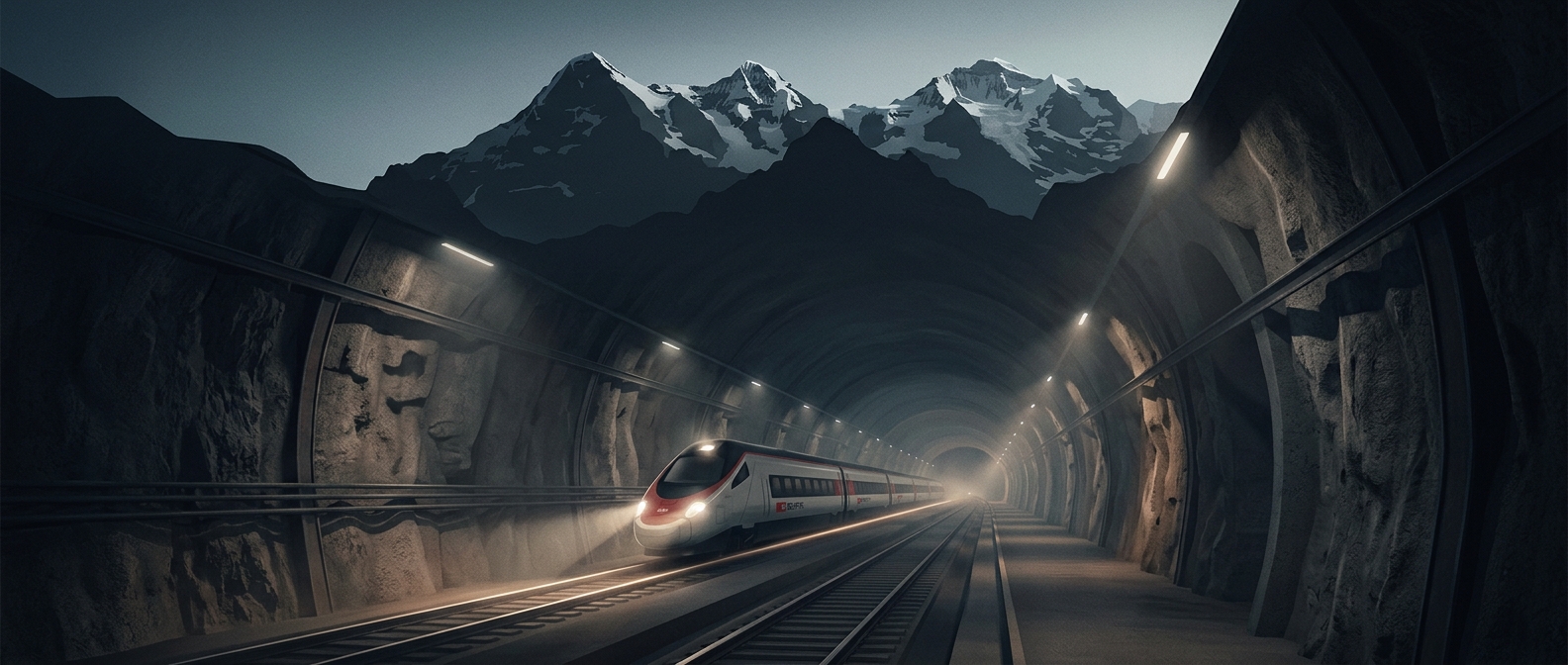
A high Alpine route must follow the terrain: it climbs toward a pass, bends around slopes, and often uses tunnels and bridges to keep the track from becoming too steep. A base tunnel takes a different approach. It runs deep beneath the range, closer to the elevation of the valleys at either end, so trains can cross without hauling themselves over the peaks.
That matters especially for freight. On a steep line, gravity makes uphill trains work harder and downhill trains need careful control; long trains may also need extra locomotives. A gentler profile lets heavier loads move more steadily and makes the route easier to use in both directions. The tunnel’s value is therefore not just the distance it cuts, but the climb it removes.
The shortcut shifts the engineering challenge
The mountain still has to be crossed—only now the railway must pass through its rock. Crews excavate from several access points, removing vast amounts of spoil and dealing with changing ground conditions along the way. Because a long tunnel is far from open air, its design also has to provide routes for evacuation and access for emergency crews.
The result is a tradeoff: a costly, difficult piece of infrastructure concentrates the hard work underground, then gives trains a more direct path through the Alps. Instead of making freight climb to the landscape’s natural crossing, the railway creates a lower one beneath it.