How virtual puppies stole time from a blockbuster
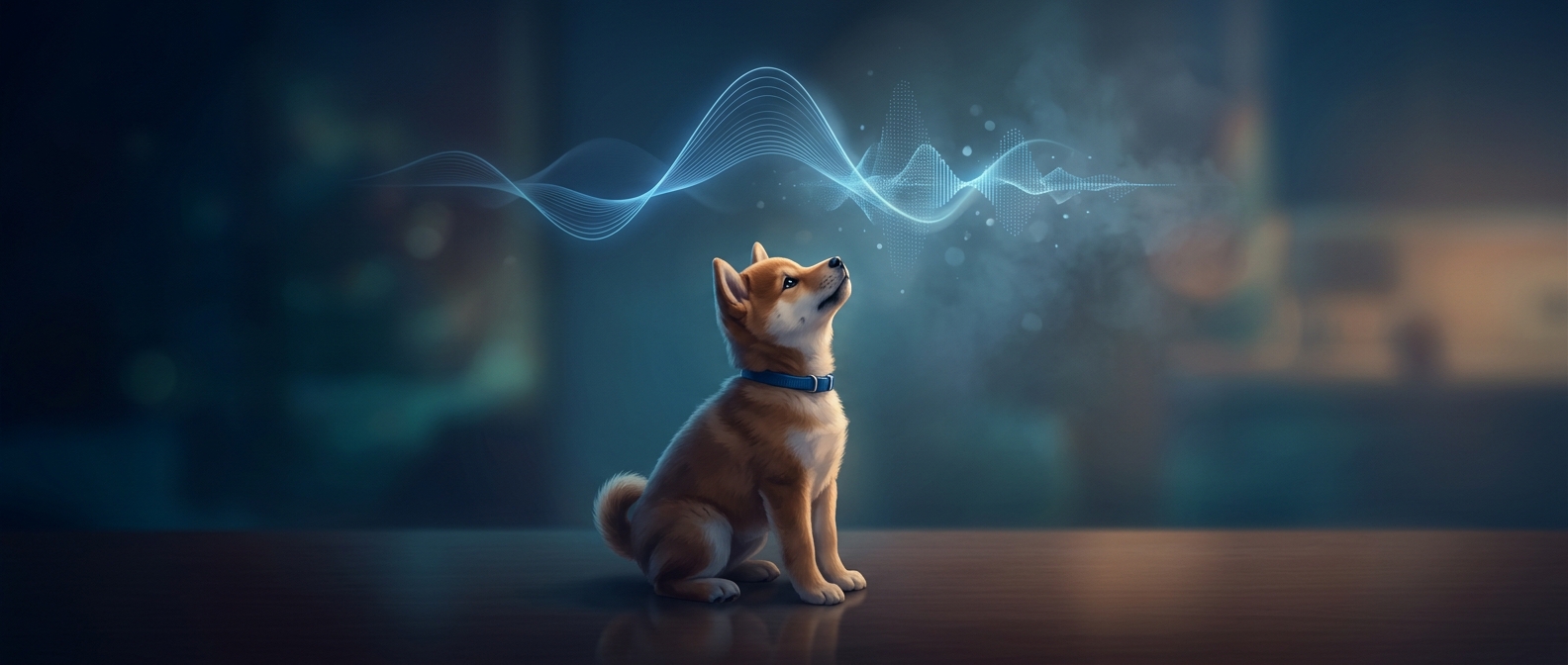
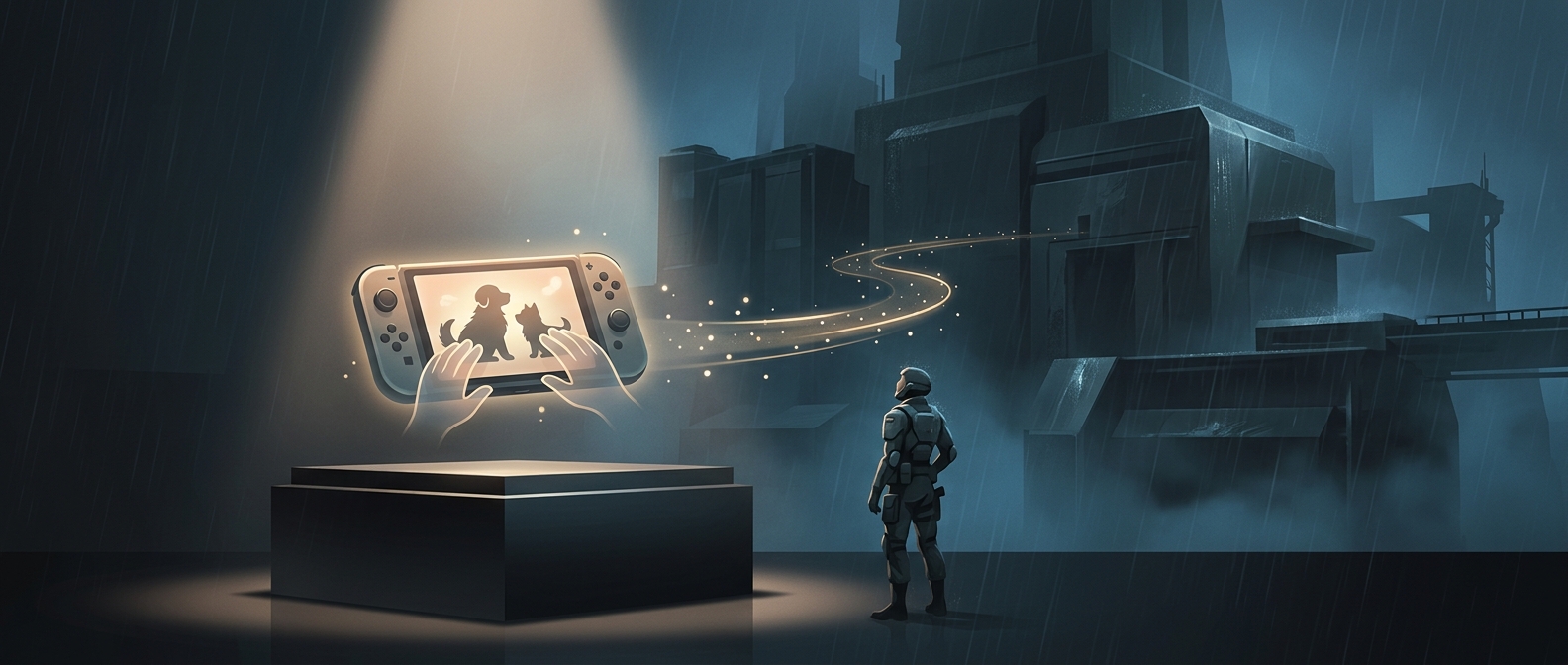
The story is funny because the two games demanded such different kinds of attention. Metal Gear Solid 4 was a large, tightly coordinated production; Nintendogs offered something much smaller and easier to pick up. On Nintendo DS, players could quickly check in on a puppy, give it attention, and return later. Those brief visits were designed to feel rewarding—and, apparently, they were tempting even during work on a major console game.
A distraction built around small rewards
Nintendogs made routine care its central activity. Players did not need to settle in for a long mission: a short interaction could provide a sense of progress, while the puppy’s needs gave them a reason to come back. That compact loop—do something simple, see an immediate response, repeat—can make a game surprisingly hard to put down.
The anecdote does not describe a technical problem or a formal production decision. Its point is that the team’s attention was captured by another game while Metal Gear Solid 4 was being made. The delay story turns a familiar design success into an unexpected workplace hazard: a game meant to fit into spare moments can interrupt even the making of a much bigger one.