A puppy became a design problem
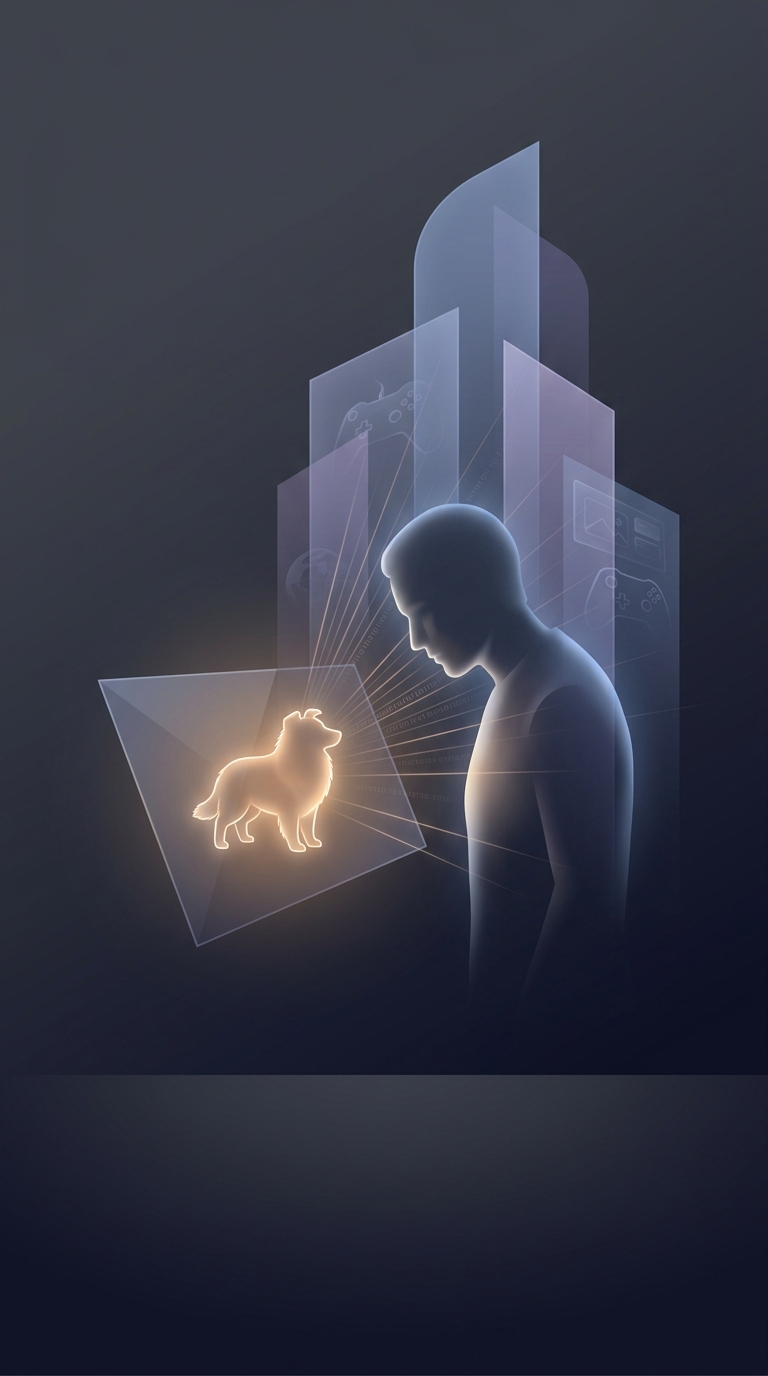
Living with a dog means more than admiring it: you have to get its attention, teach it routines, and respond to what it does. Shigeru Miyamoto’s experience with his Shetland Sheepdog suggested a game built around that ongoing relationship rather than a single adventure with a fixed ending.
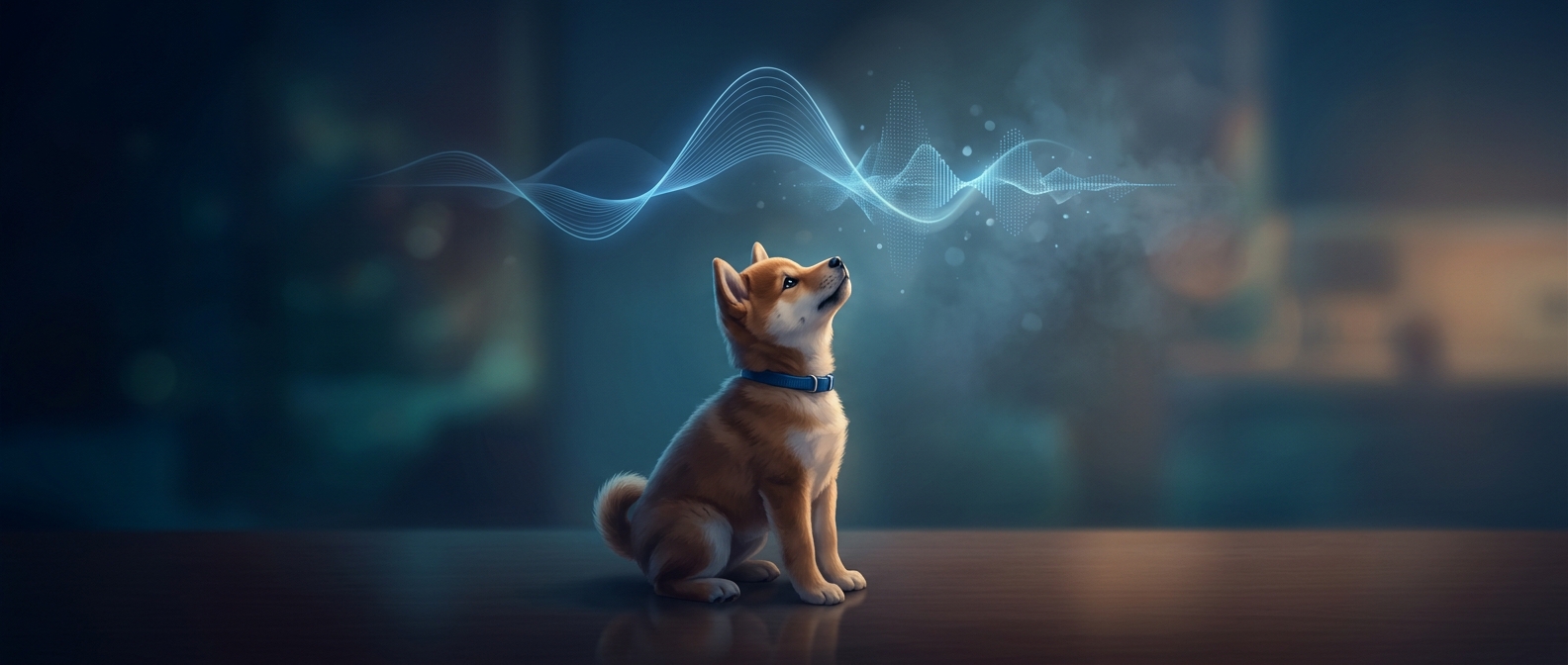
That idea fit the Nintendo DS unusually well. Its touch screen let players stroke and handle a puppy directly, while the built-in microphone let them call the dog and teach it spoken commands. Instead of pressing a button to make a pet perform a trick, players had to get the virtual dog to recognize what they said and reward it through care and attention.
The appeal was in the feedback loop
Nintendogs made ordinary repetition its central activity. A puppy might need to be fed, walked, brushed, or practiced with; as players returned to it, they could see the effects of that attention in how it responded. The game turned familiar acts of pet ownership into small interactive exchanges, with the screen and microphone making the player feel less like an observer and more like the dog’s caretaker.
That design also made the game accessible to people who did not usually play action games. There was no elaborate control scheme to master or long campaign to finish. The main challenge was patient communication: say a command clearly, help the puppy learn it, and keep up the daily care. A real owner’s fixation on training a puppy thus became a format millions could try without bringing home a real one.