Mario Kart’s Item System Keeps the Pack Within Striking Distance
The friendship-fraying trick is position-based item balancing: the game does not give every racer an equal chance at every item. Your place in the race helps shape what appears in your item box. Racers farther back are more likely to receive powerful items that can help them catch up, while the leader is more likely to get limited defensive options.
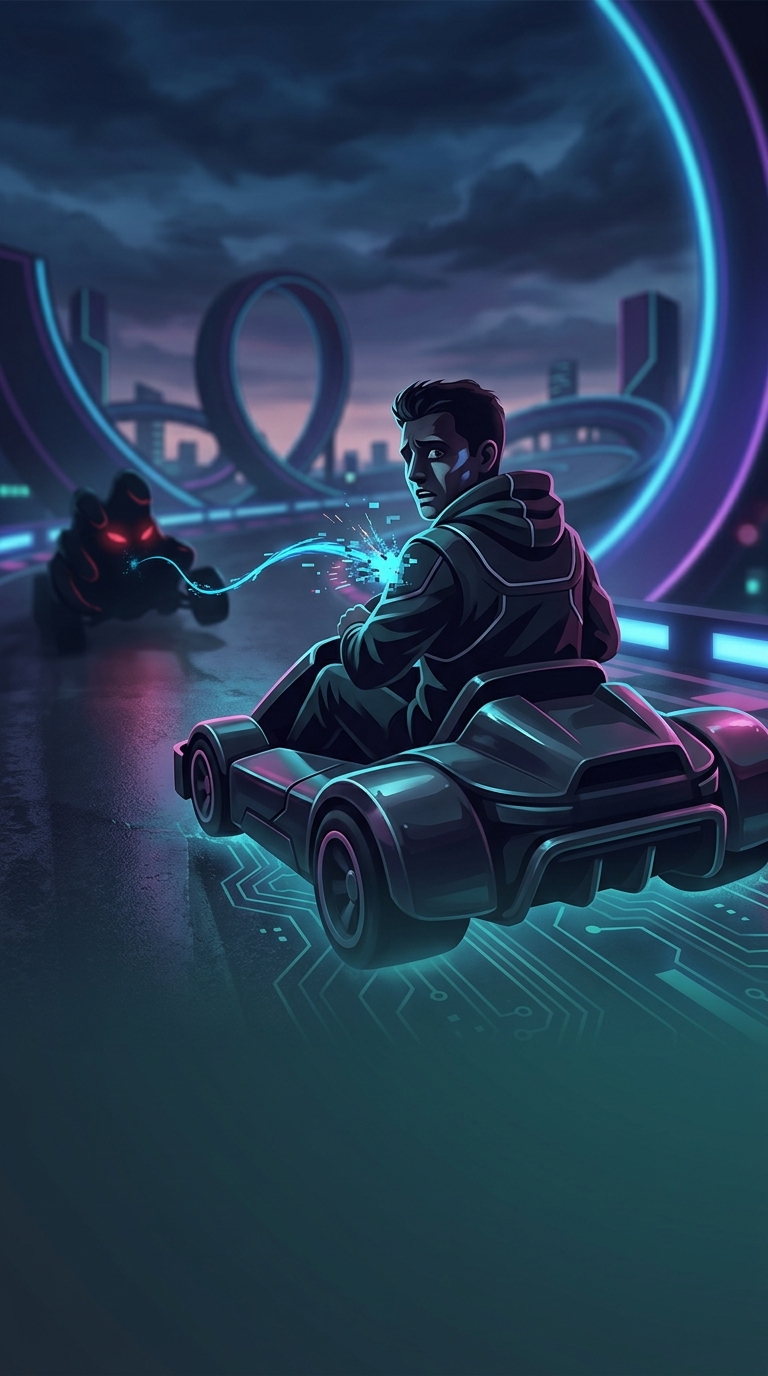
That changes the meaning of a lucky-looking pickup. A racer who has fallen behind may suddenly get a speed boost or an attack capable of disrupting several karts. Meanwhile, the player who has driven cleanly into first can be left with little more than a way to fend off one incoming hit. The system is designed to keep the field competitive, not simply reward the fastest racer with an uninterrupted lead.
Why It Feels Personal
The balancing happens through item draws rather than an obvious rubber band pulling a trailing kart forward. So a rival’s comeback can look like a perfectly timed stroke of luck—and a well-earned lead can disappear just before the finish. When an item hits, the target is visible; the hidden odds that helped put it in the attacker’s hands are not.
That tension is part of the design. Position-based items give trailing racers a reason to keep racing and make the finish less predictable, but they also make every lead feel provisional. In Mario Kart, getting ahead is only half the race; the other half is surviving what the game hands everyone behind you.