Shenmue Turns a Revenge Quest Into a Daily Routine
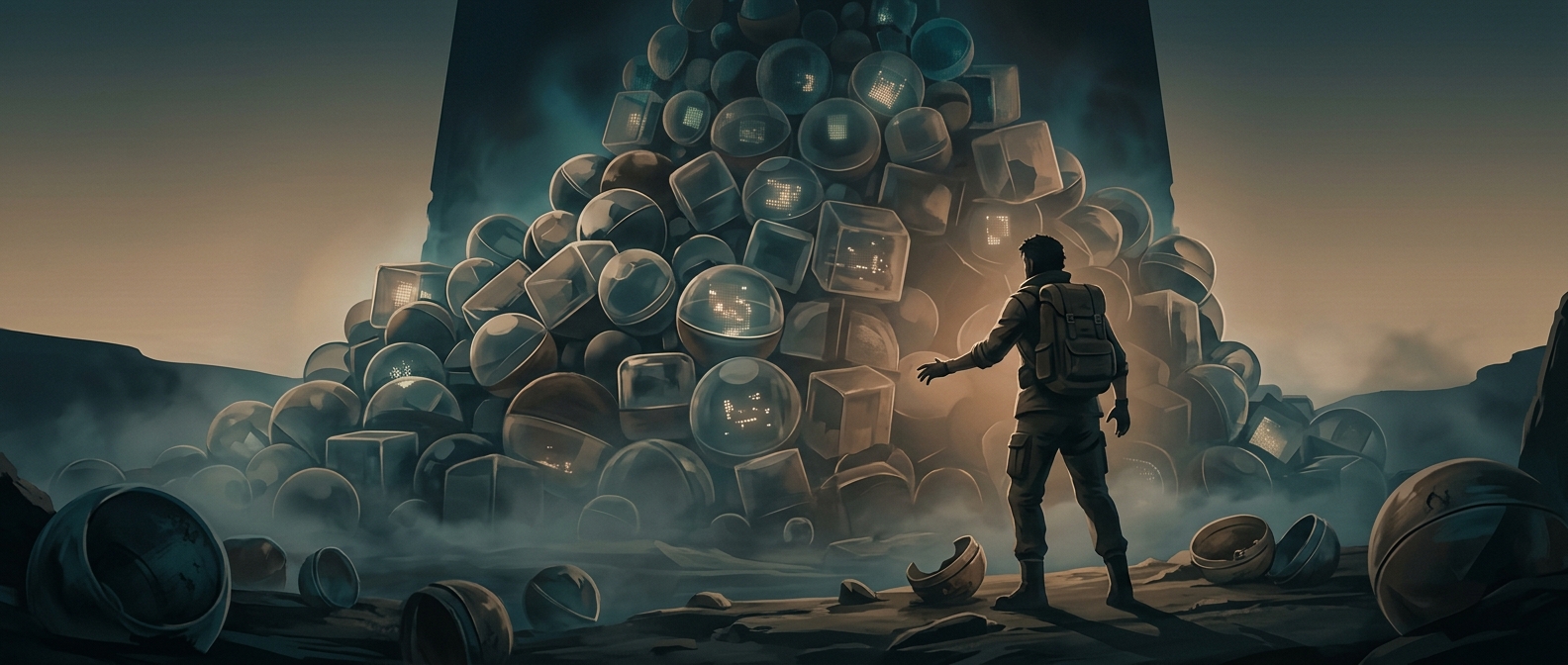
Ryo Hazuki has a clear reason to hurry: he is pursuing the man who killed his father. Yet Shenmue does not make every moment serve that chase. Its world offers side activities such as playing arcade games and collecting capsule toys, small prizes dispensed in plastic containers.
That contrast changes the feel of the story. Instead of moving from clue to clue in a nonstop sequence, players can spend time in the ordinary spaces Ryo visits. The revenge plot supplies urgency; the diversions let the player decide when to set that urgency aside.
The Detours Make the World Feel Lived In
Arcade games are more than scenery when players can actually play them. Capsule-toy collecting adds another modest goal, one with no direct connection to finding the killer. These activities give the setting things to do beyond advancing the main plot, making a pause feel like part of inhabiting the world rather than simply stopping the game.
The design also creates a deliberate tension: Ryo’s mission is serious, but the player’s attention is not always locked to it. The game lets the player control the pace of urgency. A revenge story can wait while Ryo spends a few minutes at an arcade cabinet—or checks what toy comes next.