Why Rome’s Past Interrupts Its Present
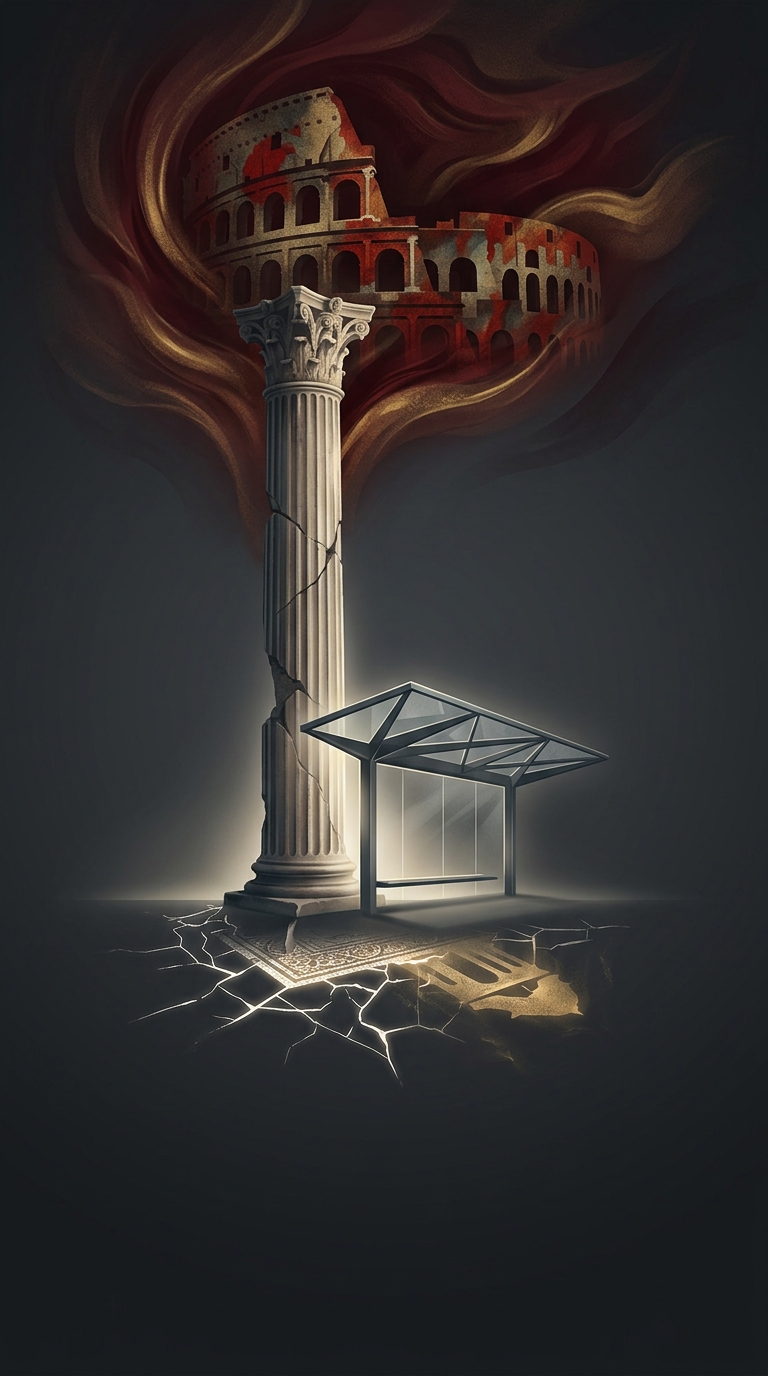
Rome’s ancient remains are not confined to a single archaeological park. The modern city grew over earlier settlements, so construction can expose traces of ordinary life as well as monumental buildings: foundations, roads, pipes, tombs and baths. What looks like a random column beside a bus stop is part of a much deeper pattern—new streets and services have to fit around a city built up over many centuries.
What Happens When Excavation Finds Something
A subway tunnel requires crews to dig through ground that may preserve evidence of earlier Rome. If they uncover a necropolis—a burial area—or a large structure such as an imperial bathhouse, work in that spot may pause while specialists document and assess the remains. Archaeologists need to establish what has been found and whether it can be preserved, studied in place or carefully recorded before construction continues.
That review takes time because the discovery is not merely an obstacle to remove. Its position and surrounding layers can reveal how a neighborhood changed, how people used the land or how infrastructure developed. Digging through those layers without recording them could destroy information that cannot be recovered later.
The City Above and Below
The resulting delay reflects a practical tradeoff: Rome needs transport links for residents and visitors, but building them through ancient ground can erase evidence of the city’s earlier life. Planners and engineers may have to adjust construction plans around significant remains, while archaeologists work out what the excavation has revealed.
So the old column beside a modern bus stop is more than striking scenery. It is a visible reminder that, in Rome, even routine construction can uncover another chapter—and that the city’s next connection may depend on what lies beneath its route.