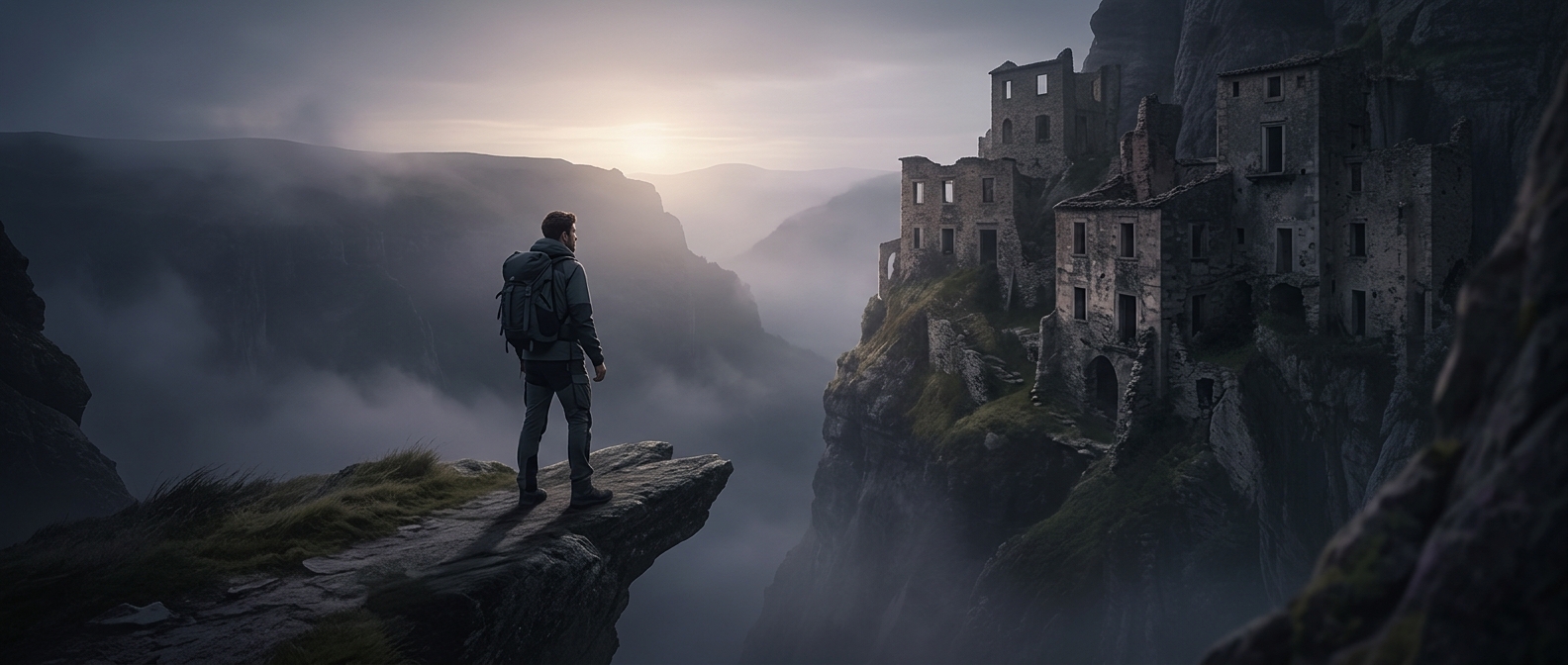
Why abandoned coastal towns feel different
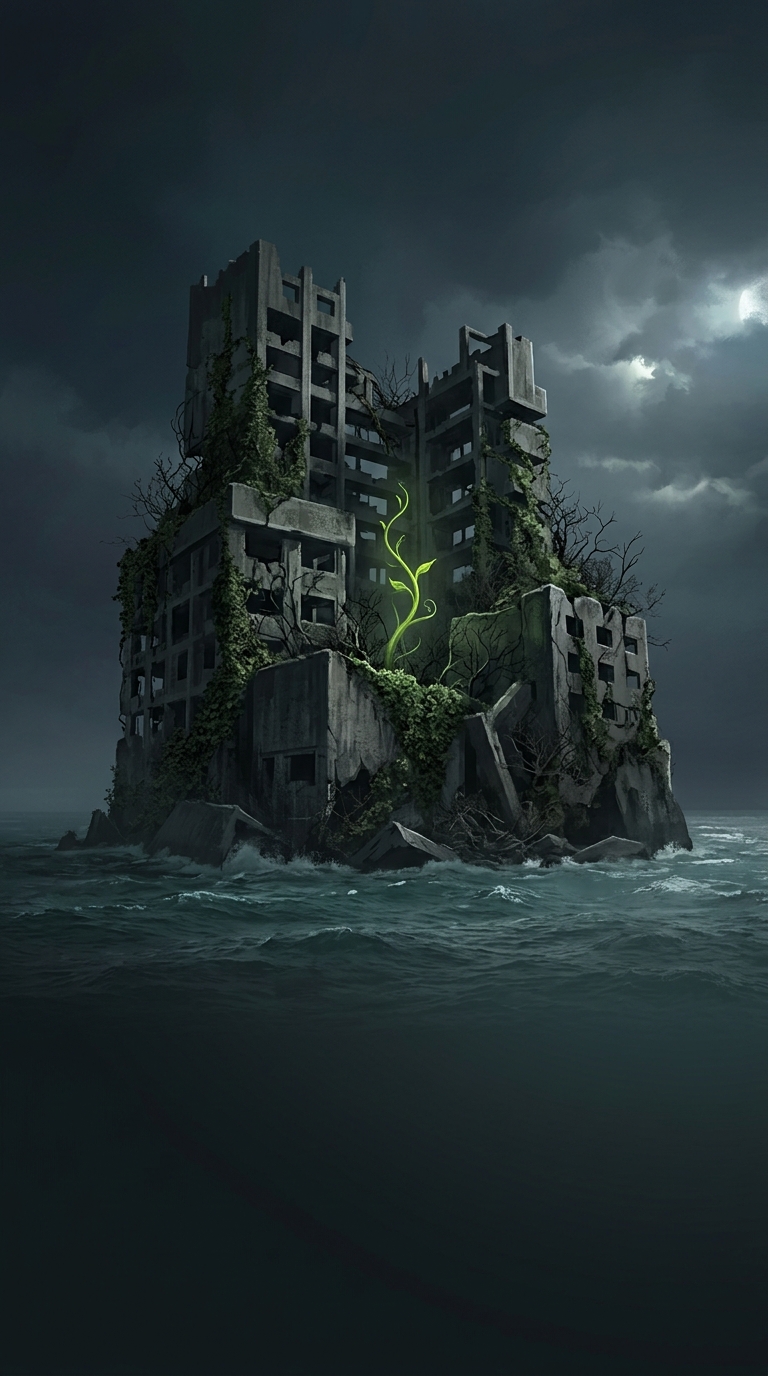
A capital is built to keep people moving: streets connect neighborhoods, shops cluster around squares, and landmarks compete for attention. An abandoned settlement offers the opposite experience. With few residents and little everyday traffic, a visitor can notice the shape of the place itself—the route between buildings, the view each doorway once faced, and how the coast presses close to the surviving walls.
“Ghost town” usually means a place with few or no permanent residents, not a place with a supernatural history. Some coastal settlements were left behind as livelihoods, transport routes, or local industries changed; the reason varies from town to town. What remains is a record in the landscape, even when the original purpose of a building is no longer obvious.
Solitude comes with a fragile setting
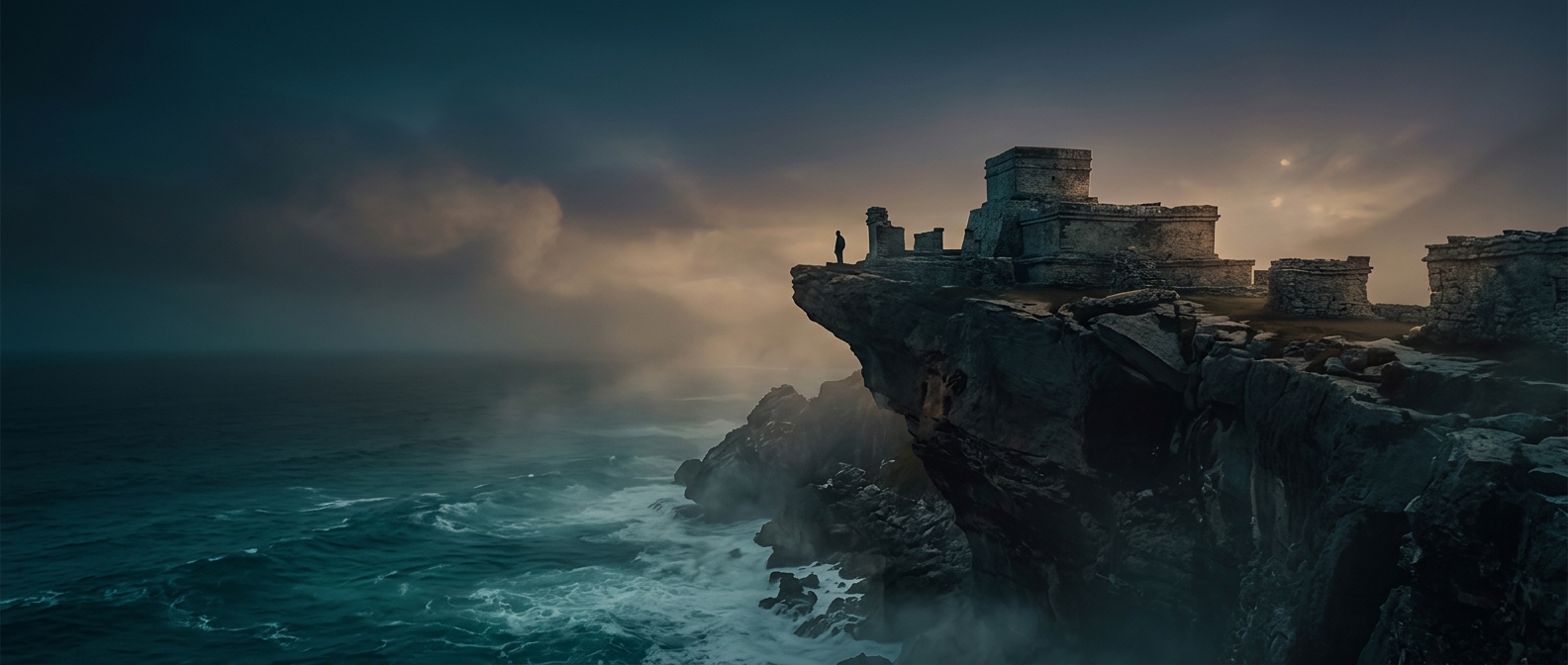
Cliffside ruins can look timeless, but they are still changing. Wind and rain wear down masonry, while coastal erosion can undermine the ground beneath it. A wall that appears solid from a distance may be unsafe to approach, and an old path may not be maintained. The quieter the destination, the less likely it is to have the services and visitor infrastructure of a busy city.
That is part of the appeal—and part of the responsibility. Staying on established paths and leaving stones, interiors, and artifacts undisturbed helps preserve the very details that make these settlements compelling. The reward is not simply an empty view: it is the chance to see how a community once fitted itself to a difficult edge of land and sea.