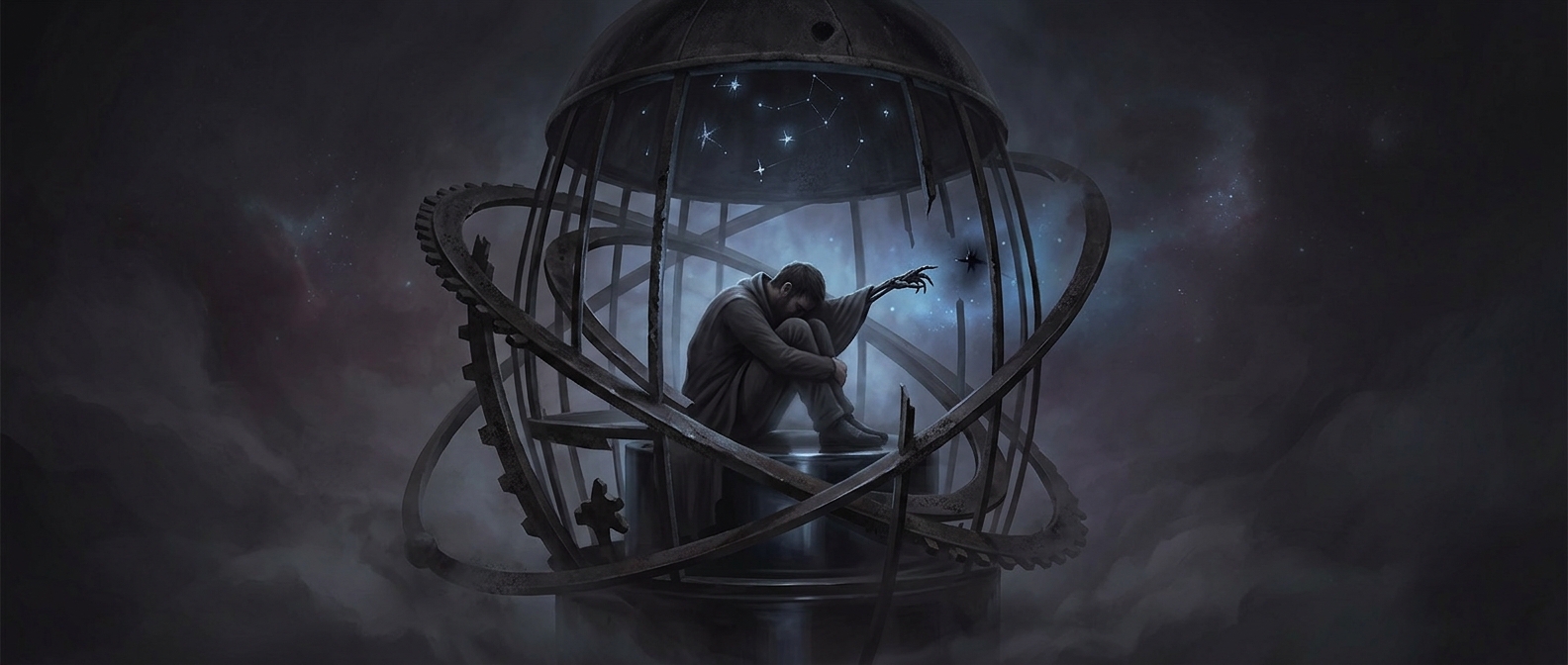
How a fixed-future belief can turn a setback into a stopping point
A failed attempt gives you information: something about the plan, timing, resources, or circumstances did not work. But if you believe the outcome was already settled, the same failure can seem to mean that trying was pointless. The setback stops being feedback about what to change and becomes evidence that nothing can be changed.
Expectation shapes what you do next
That interpretation can quietly narrow your options. Someone who thinks a rejection was inevitable may not ask for feedback, revise an application, or try another route. Those actions might have improved the odds of success, but they never happen. In this way, a belief about fate can affect behavior without changing fate itself.
The pattern resembles learned helplessness: after experiencing outcomes that seem beyond their control, people may become less likely to act even when new options are available. It is not a diagnosis, and one disappointment does not automatically create it. The important point is that perceived control can influence whether someone looks for another move.
Treat the result as information, not a verdict
A more useful response is to separate the outcome from its explanation. “This approach failed” leaves room to test a different one; “this was meant to fail” closes that door. You do not have to assume every goal is achievable to preserve agency. You only have to ask whether there is a next step worth trying.
That small distinction can break the loop: a prediction of failure is less likely to come true when a setback prompts a change in strategy rather than an end to effort.