A pause can be a safer first move
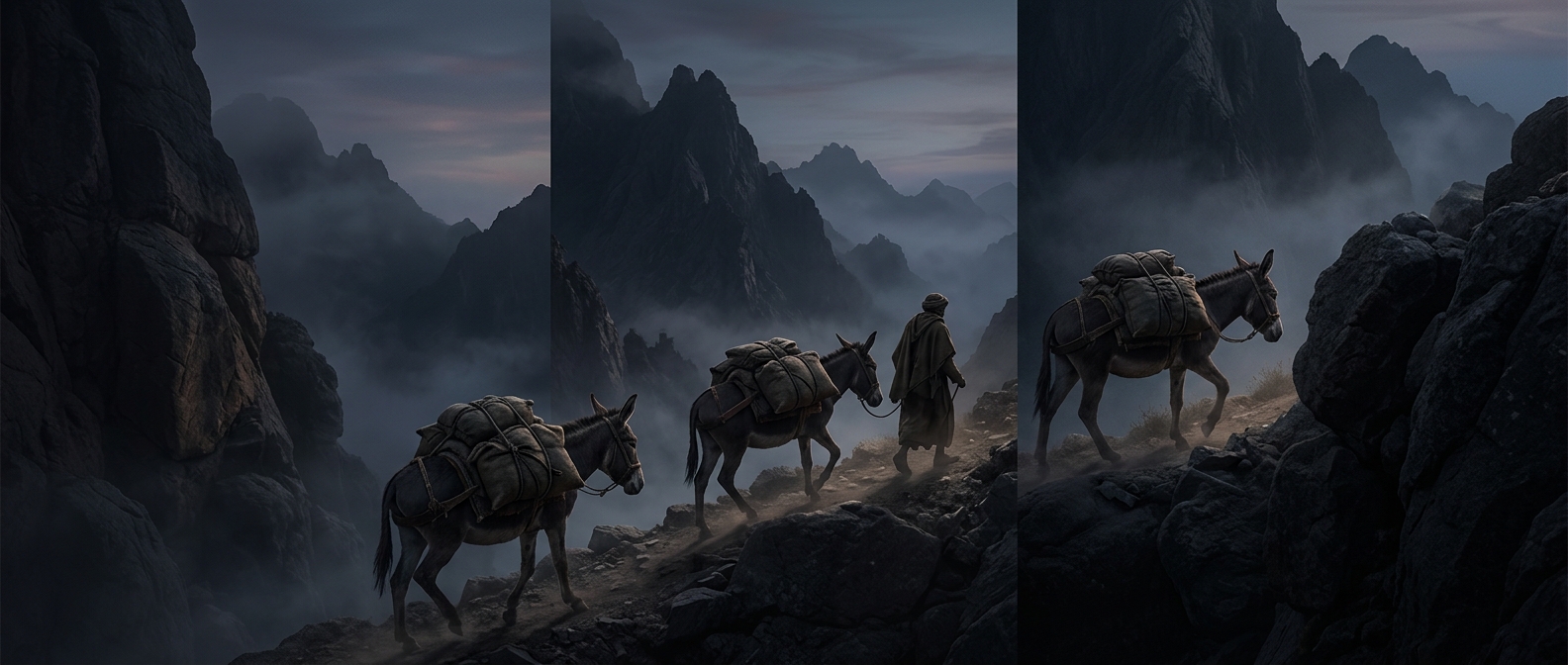
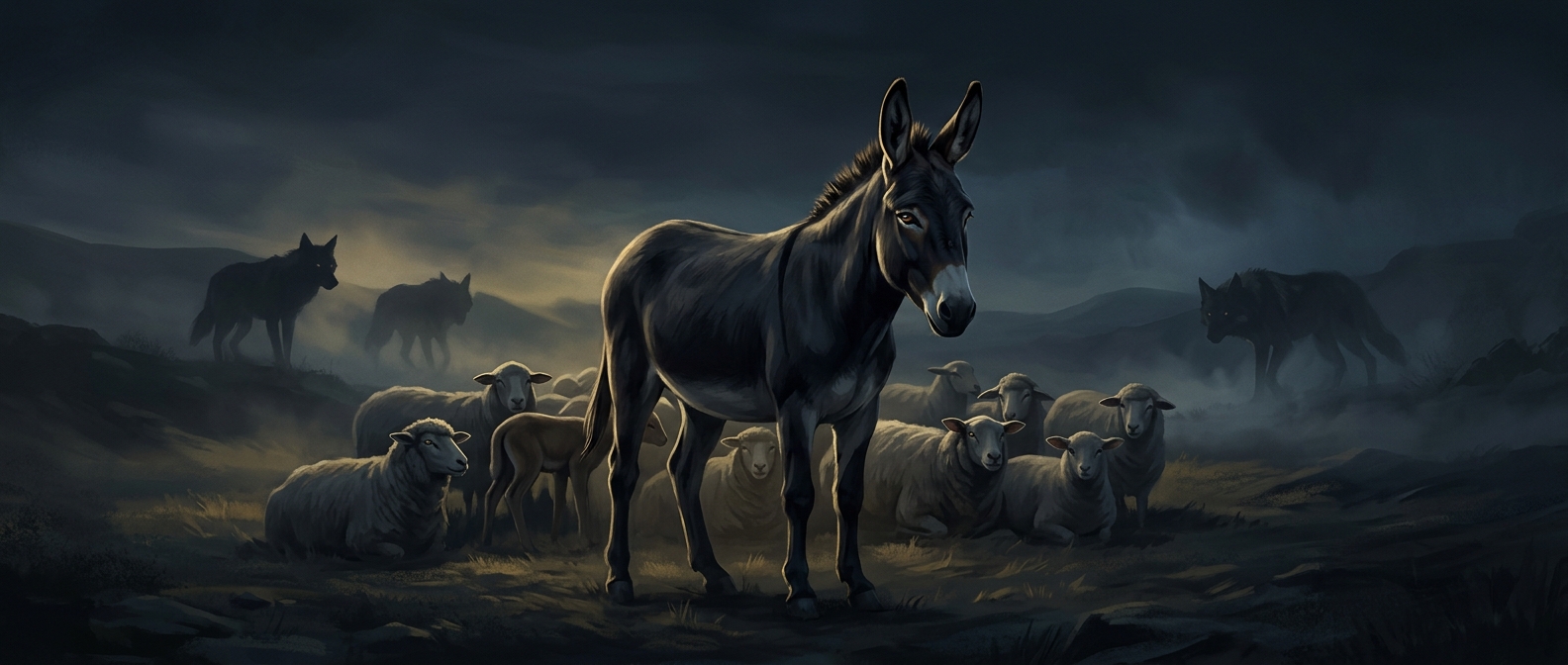
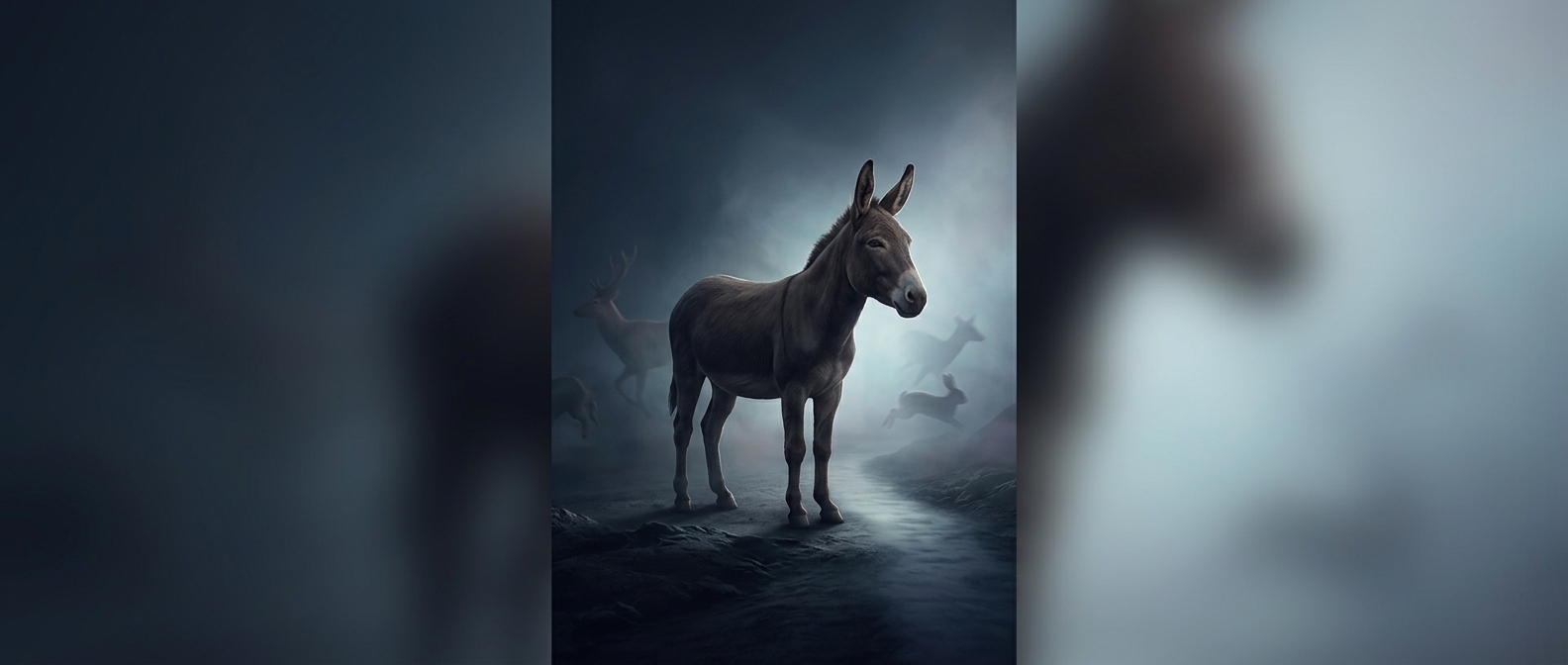
When danger appears suddenly, an animal does not have to choose between fighting and running. It may first become still. For a donkey, freezing can create a moment to locate the threat, listen, and decide whether moving would make things worse. A movement that seems harmless to a person may be difficult to judge from the animal’s position or may signal danger.
That pause is a defensive response, not evidence that the donkey is being willful. Donkeys can flee when threatened, but they may hesitate rather than bolt at once. In rough or unfamiliar surroundings, taking a moment before stepping can also be safer than rushing blindly.
Why the pause matters near traffic
To a driver or handler, a motionless donkey can look as though it has simply refused to continue. But pressure—such as pulling hard on a lead or crowding it—may add to the alarm without helping it understand what is safe. The animal may remain frozen, or move unpredictably once it does react.
A calmer response is to give the donkey room and time to orient, while keeping people and vehicles at a safe distance. The practical lesson is simple: when a donkey stops, treat the pause as information. It may be assessing a situation that the human beside it has not yet noticed.