Why Bloodborne Hides Its History in Inventory Text
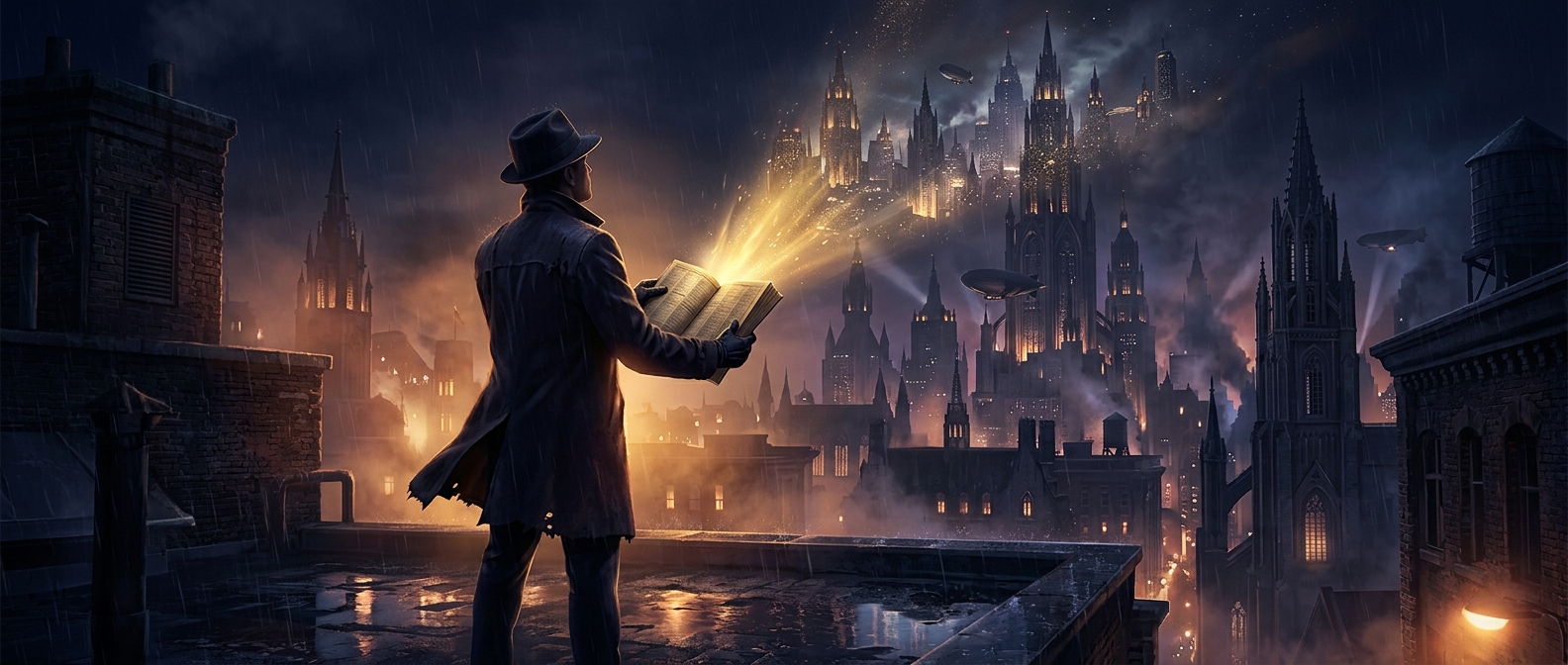
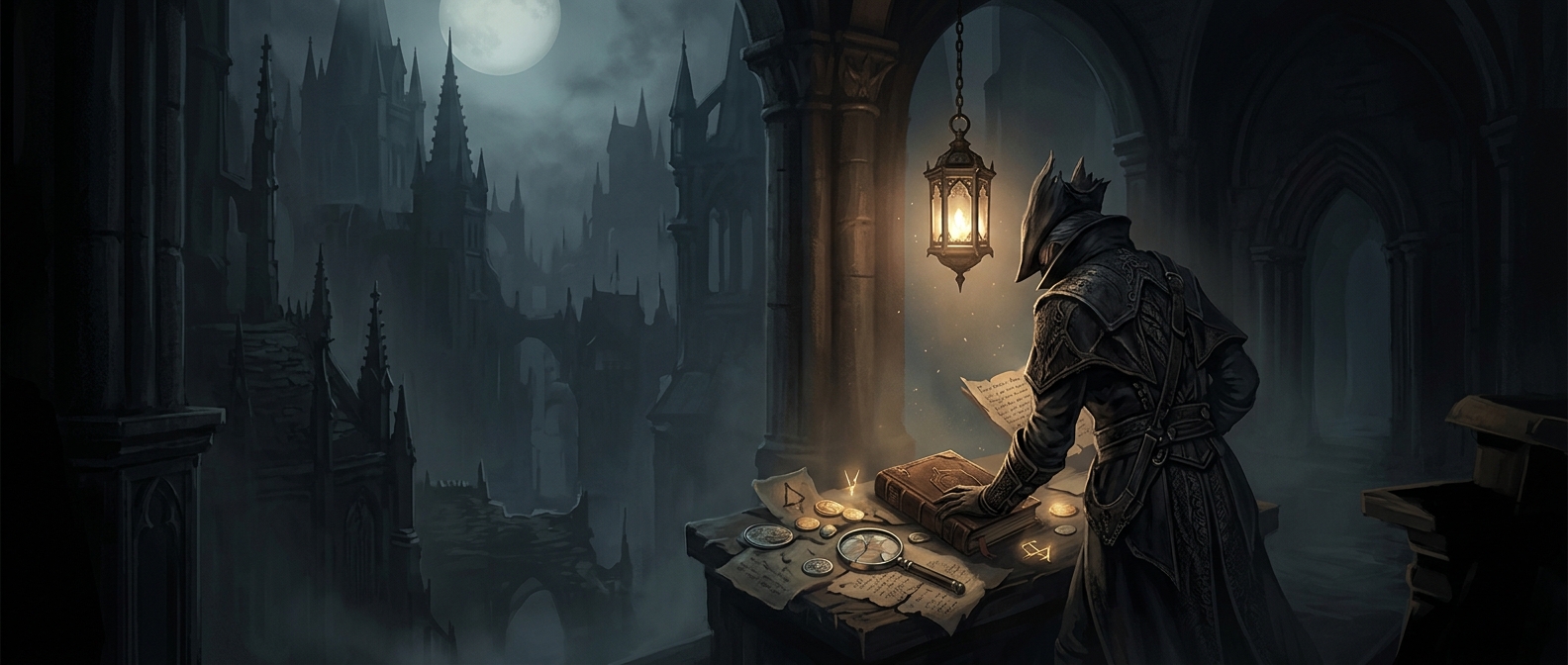
In Bloodborne, an object is more than equipment: its description can be one of the few surviving records of the world that produced it. A weapon may hint at the institution that made it; a garment may reveal who wore it and what they believed. Even an ugly little pebble can carry a scrap of context. Because these notes sit beside practical details about an item, players encounter lore while deciding what to carry, equip, or sell—not in a separate history lesson.
Reading Clues Like Evidence
No single description explains the full crisis in Yharnam. Instead, players connect fragments: what the Healing Church did with blood, what hunters were sent to fight, and what people thought they knew about the beings called Great Ones. The process resembles reconstructing an event from scattered records. A clue gains meaning when another item, a place, or an enemy seems to support—or complicate—it.
That structure also makes uncertainty part of the story. The descriptions are brief, and their perspective is limited; they offer traces of belief and history, not a neutral narrator who settles every question. Players have to distinguish what a text plainly says from what it might imply.
The Cost of Looking Away
The tradeoff is deliberate in effect, whether or not every player chooses to engage with it: someone focused on surviving a difficult fight can finish the game without reading much of the inventory, while a curious player can treat each object as another piece of the setting. The main adventure remains playable, but its larger tragedy emerges gradually, through attention and comparison. In Bloodborne, checking an item’s description can turn a battered accessory into evidence about a civilization’s buried past.