When One Body Carries Two Genetic Lineages
A DNA test usually samples cells from blood or the inside of the cheek. It compares the DNA in those cells with the children’s DNA, looking for the inherited markers expected between a biological parent and child. In rare cases, that sample may not represent all the mother’s cells.
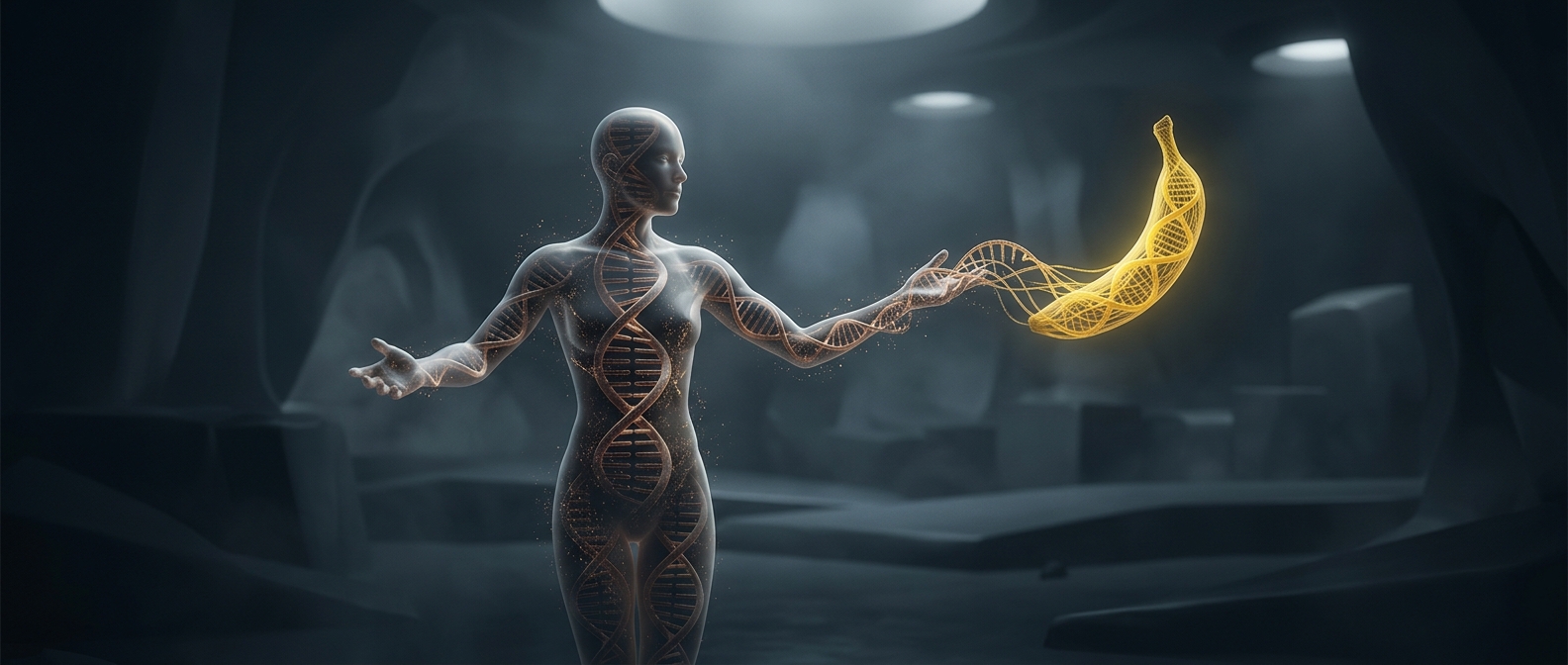
A woman can have chimerism: two genetically distinct cell lineages living in one body. One way this can happen is when two early embryos—often embryos that would have developed as fraternal twins—fuse very soon after conception. Their cells develop together, leaving one person with populations of cells carrying different DNA.
The DNA in an Egg May Not Match a Swab
If cells from one lineage dominate the blood or cheek, a standard test may detect that lineage but not the other. Yet cells from the second lineage may have contributed to the ovaries and to the eggs that became her children. The children can therefore inherit DNA from the mother’s egg-producing lineage, while a blood or cheek sample shows the other lineage and appears not to match.
This does not mean pregnancy changed her DNA, or that the children were not born to her. It means the test examined particular cells, not every genetic lineage in her body. The mismatch can look like a contradiction until the possibility of different lineages is considered.
Why Testing Another Tissue Can Matter
When results conflict with the family relationship, testing a different tissue may reveal a different genetic profile. Which tissue is informative depends on where the lineages are present; a second sample is not automatically definitive. The key point is that a DNA test answers a specific question about the DNA in the cells collected. In an unusual case of chimerism, the cells that prove a mother’s genetic connection to her children may not be the ones a routine test first sampled.