How a Night March Became a Battle
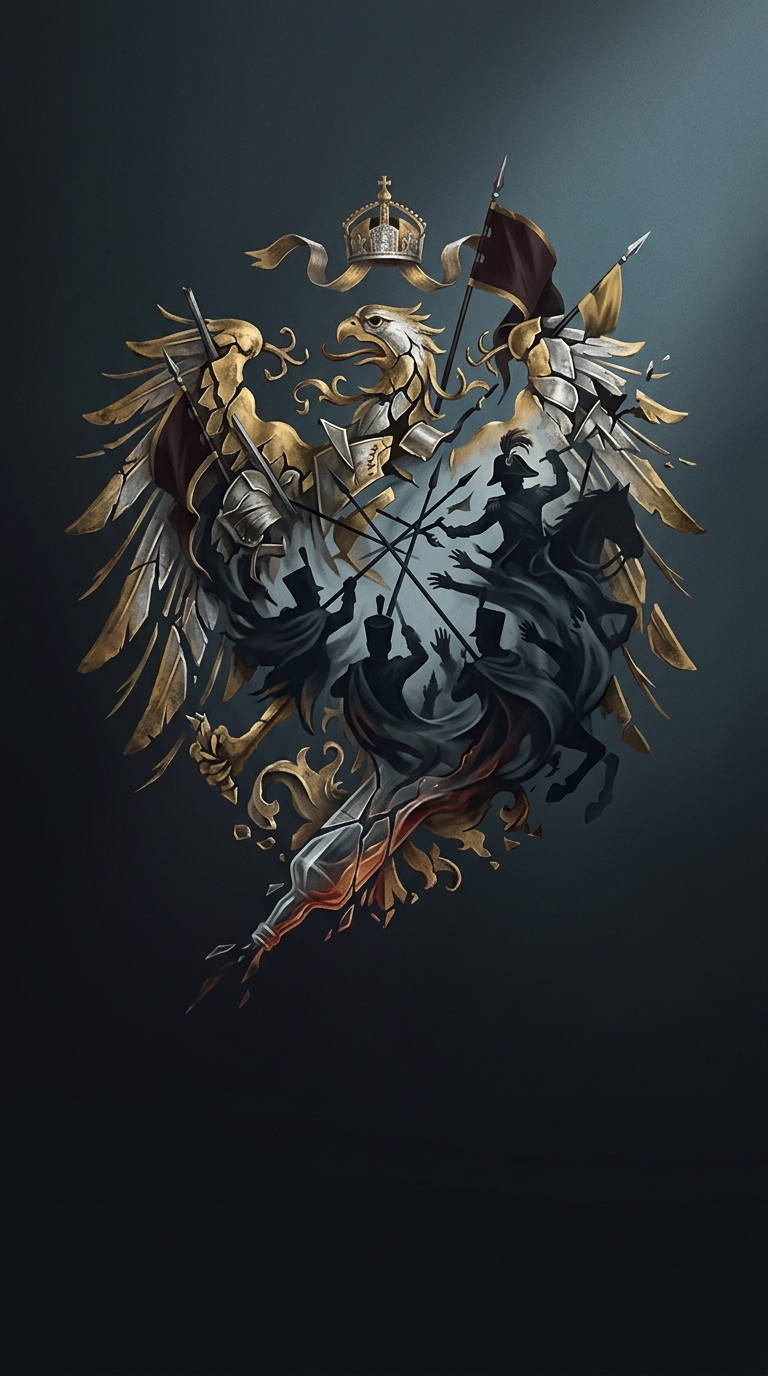
The reported disaster at Karánsebes is often told as a chain reaction: a quarrel over schnapps separated Austrian soldiers from one another, a rumor of Ottoman attackers spread, and troops in the dark began firing at figures they could not identify. In the confusion, commands and warnings were misunderstood, and frightened soldiers treated their own comrades as the enemy.
The setting made such panic plausible. The Austrian army was operating at night during its 1788 campaign against the Ottoman Empire, when poor visibility and scattered units could make it difficult to tell who was nearby. A mistaken shout or burst of gunfire could prompt people farther away to assume an attack was underway—and to answer with force before they knew what they were seeing.
What the Story Can—and Cannot—Establish
The episode is famous for the irony that the army supposedly inflicted severe losses on itself without Ottoman troops entering the fight. But the vivid schnapps-and-panic narrative comes through accounts whose details are uncertain; the scale of the casualties and the precise sequence of events are not firmly established. It is safer to treat the familiar version as a reported story than as a precisely documented battlefield reconstruction.
That uncertainty does not erase the episode’s central lesson about armies: discipline and equipment cannot eliminate the danger of confusion. In darkness, soldiers depend on recognition, communication, and reliable orders. When those fail, the people an army is meant to protect can suddenly look like the threat it is trying to stop.