The setting could make a faint more likely
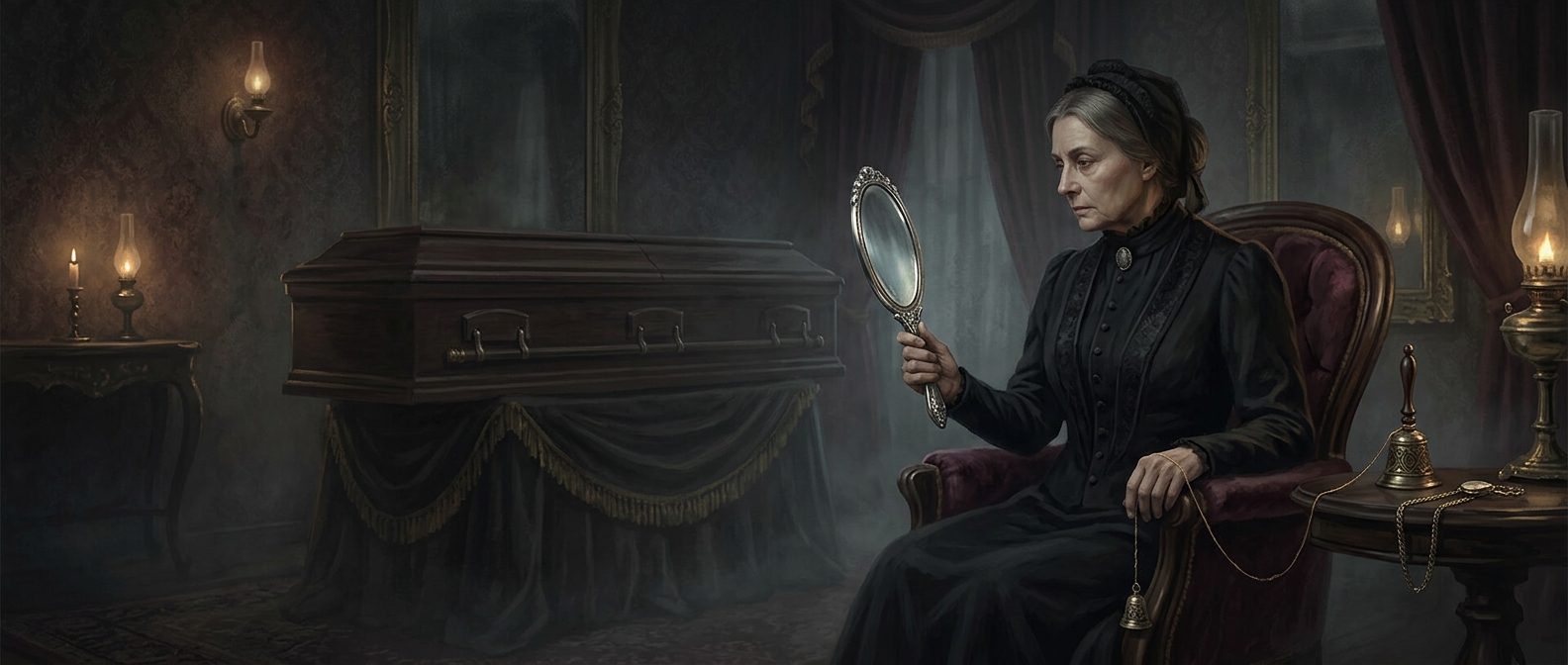
A crowded Victorian drawing room, church, or public hall could be hot, stuffy, and full of people standing still in heavy layers of clothing. Heat and prolonged standing can cause blood to pool in the legs, briefly reducing the blood reaching the brain. The result may be light-headedness or a faint—especially if someone is tired, dehydrated, ill, or has not eaten enough.
Women’s clothing was only part of that physical environment. Long skirts and multiple layers trapped warmth, while social expectations often called for quiet posture and limited movement. A woman who felt unwell might be expected to remain composed rather than push through a crowd or sit down wherever she could.
A faint could also communicate what manners discouraged
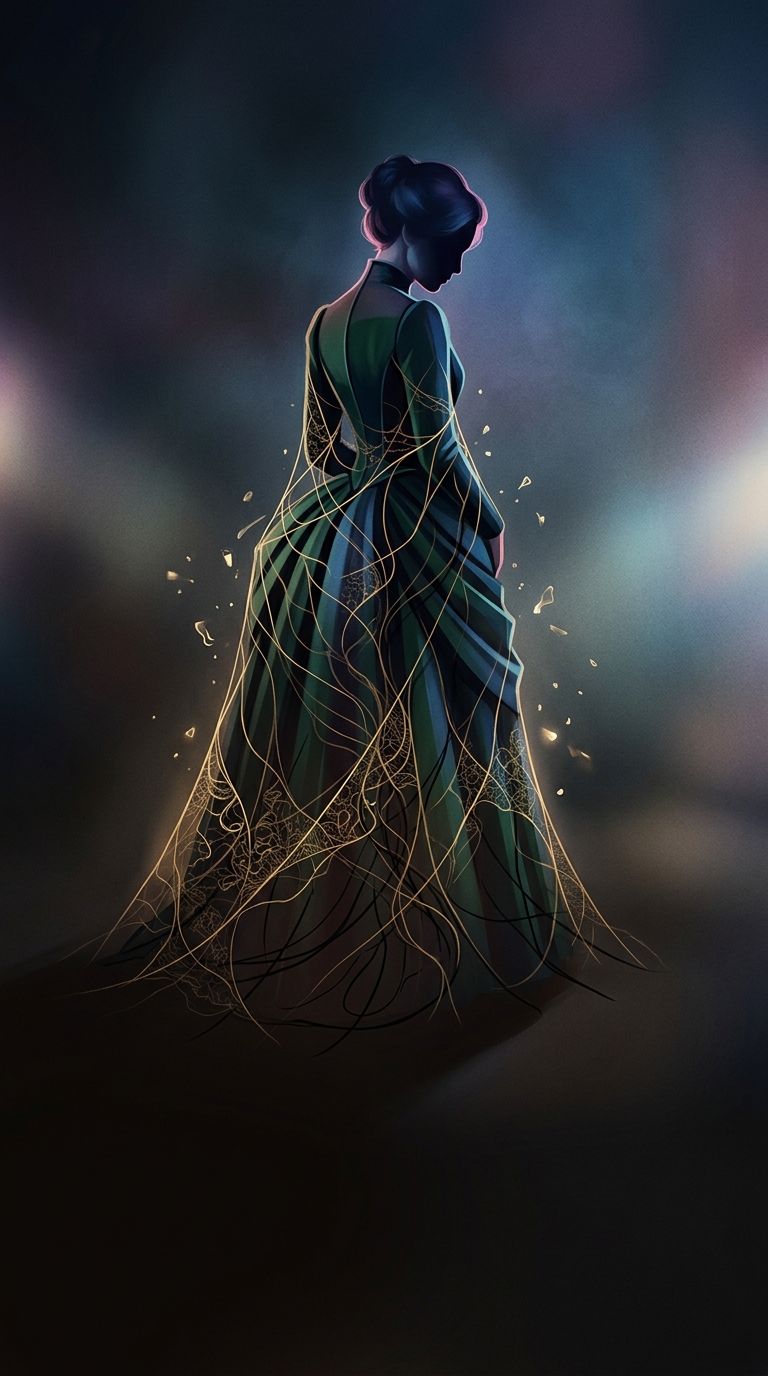
Victorian ideals of feminine delicacy treated women as physically fragile and emotionally sensitive. In that setting, swooning could be portrayed as an involuntary response to shock, distress, or overwhelming feeling—and could provide a socially legible way to withdraw from a scene. That does not mean women deliberately fainted; it means the culture gave fainting a recognizable meaning that writers and audiences understood.
The familiar image was reinforced by novels, plays, and illustrations, where a dramatic collapse made emotion visible. But a popular literary scene is not a measure of how often women actually fainted. The evidence supports a mix of ordinary physical triggers and cultural storytelling, not a Victorian epidemic of swooning.
The memorable trope outlasted the ordinary causes
In real life, fainting had many possible causes, from heat and hunger to illness, and a collapse was not proof of a particular emotion or diagnosis. The striking point is how readily the period’s settings and expectations could turn a brief spell of weakness into a public scene—and how fiction made that scene seem far more common than everyday experience may have been.