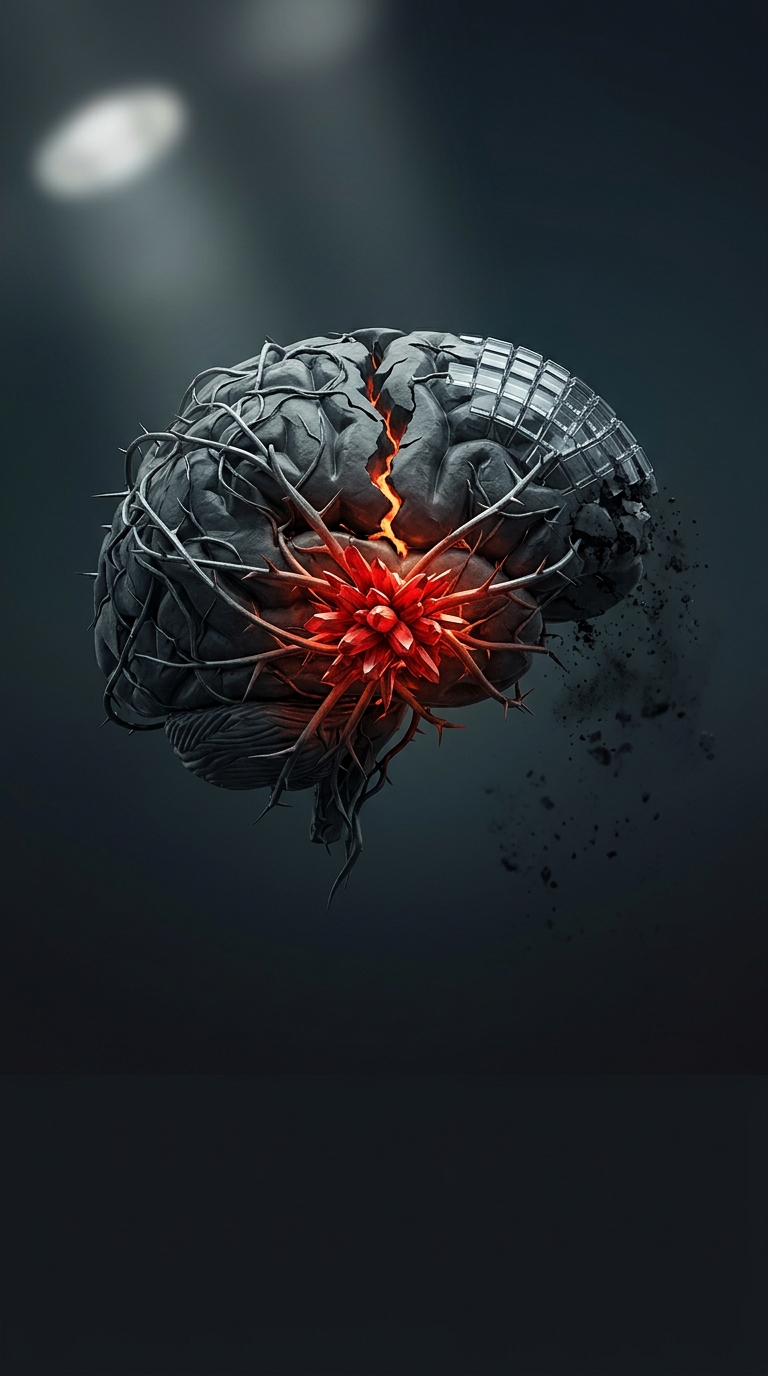
Alcohol reaches the brain quickly
After you drink, alcohol—ethanol—passes from the stomach and especially the small intestine into the bloodstream. Because it dissolves in water and can cross into the brain, its effects are not limited to the digestive system. As blood alcohol concentration rises, more alcohol reaches brain tissue. Drinking quickly can make that rise sharper; food can slow absorption, but it does not prevent intoxication.
Why judgment and coordination change
Ethanol alters the activity of several brain signaling systems. It strengthens the effects of GABA, a chemical messenger that generally quiets neural activity, and interferes with glutamate, which helps brain cells communicate and respond. The result is not a simple “off switch”: different circuits are affected in different ways.
Networks in the frontal parts of the brain help weigh consequences, hold back impulses, and make plans. When alcohol disrupts them, a person may feel less inhibited—not because alcohol creates confidence or removes concern, but because the brain’s usual checks on behavior are less effective. At the same time, interference with the cerebellum and other movement-control circuits can make walking, balance, speech, and precise hand movements less reliable. A person can feel bold while becoming less capable of judging how impaired they are.
The effects can deepen before they are obvious
Alcohol continues entering the bloodstream after a drink is finished, so impairment may grow even when someone has stopped drinking. The change depends on how much and how quickly a person drinks, along with factors such as food, body composition, and individual differences. There is no dependable way to sober up quickly: coffee may make someone feel more alert, but it does not remove alcohol from the blood or restore coordination and judgment. That gap—feeling more awake while remaining impaired—is why driving after drinking is dangerous.