A closer look
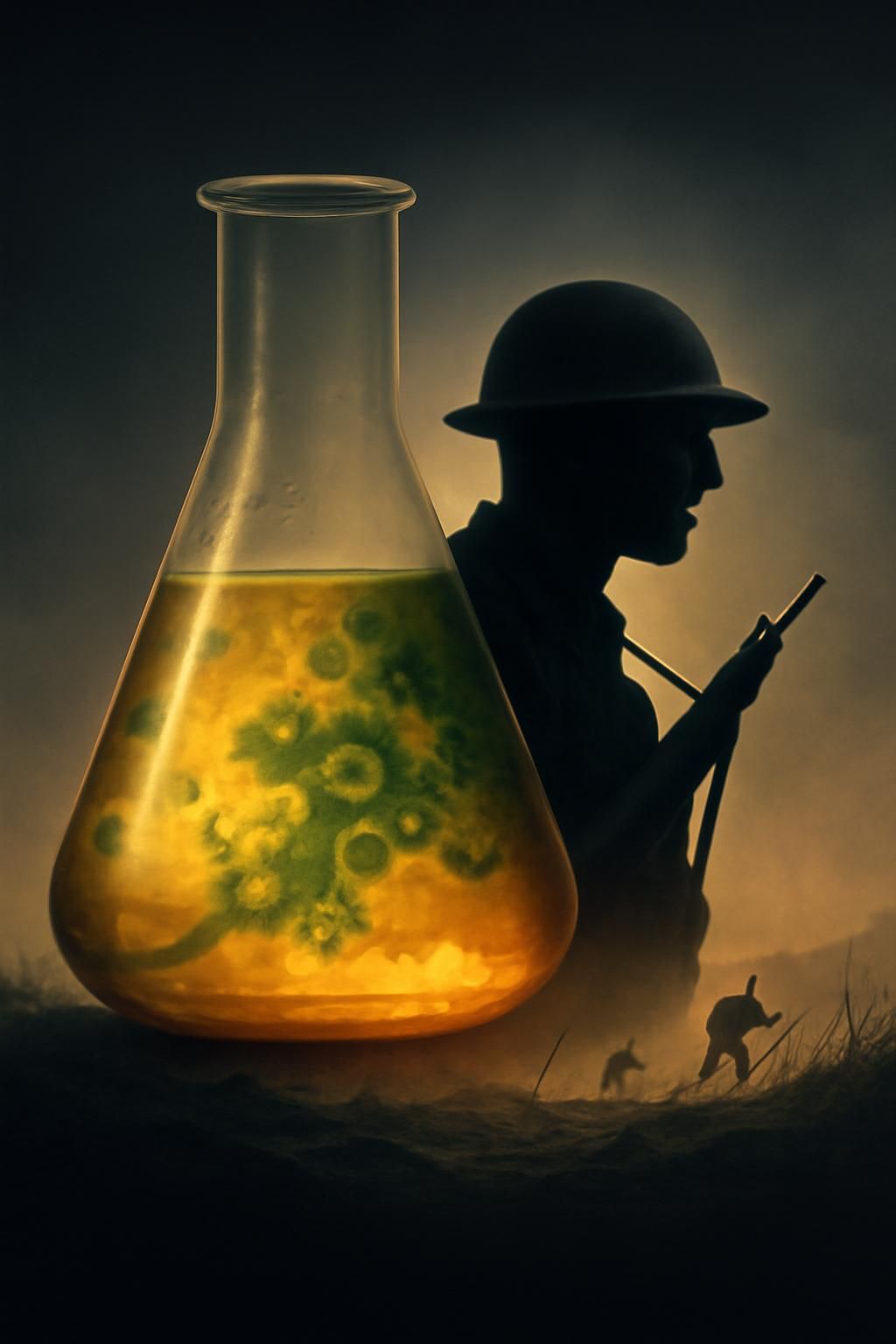
World War II turned a lab accident into one of the most life saving mass production projects in history. Penicillin was discovered in 1928, but for years it was a fragile lab curiosity, hard to grow and purify at scale. When war erupted and infected wounds were killing soldiers faster than bullets, Allied governments threw money, factories, and scientists at the problem. Brewing techniques borrowed from beer making, corn steep liquor from American agriculture, and deep tank fermentation turned mold into millions of doses. By D Day, penicillin was being handed out on the battlefield, slashing deaths from infections and amputations. The story shows how a global emergency can crash through years of bureaucratic hesitation and transform a half ignored finding into a new medical era almost overnight.