When the Front Became Harder to Face Than the Consequences
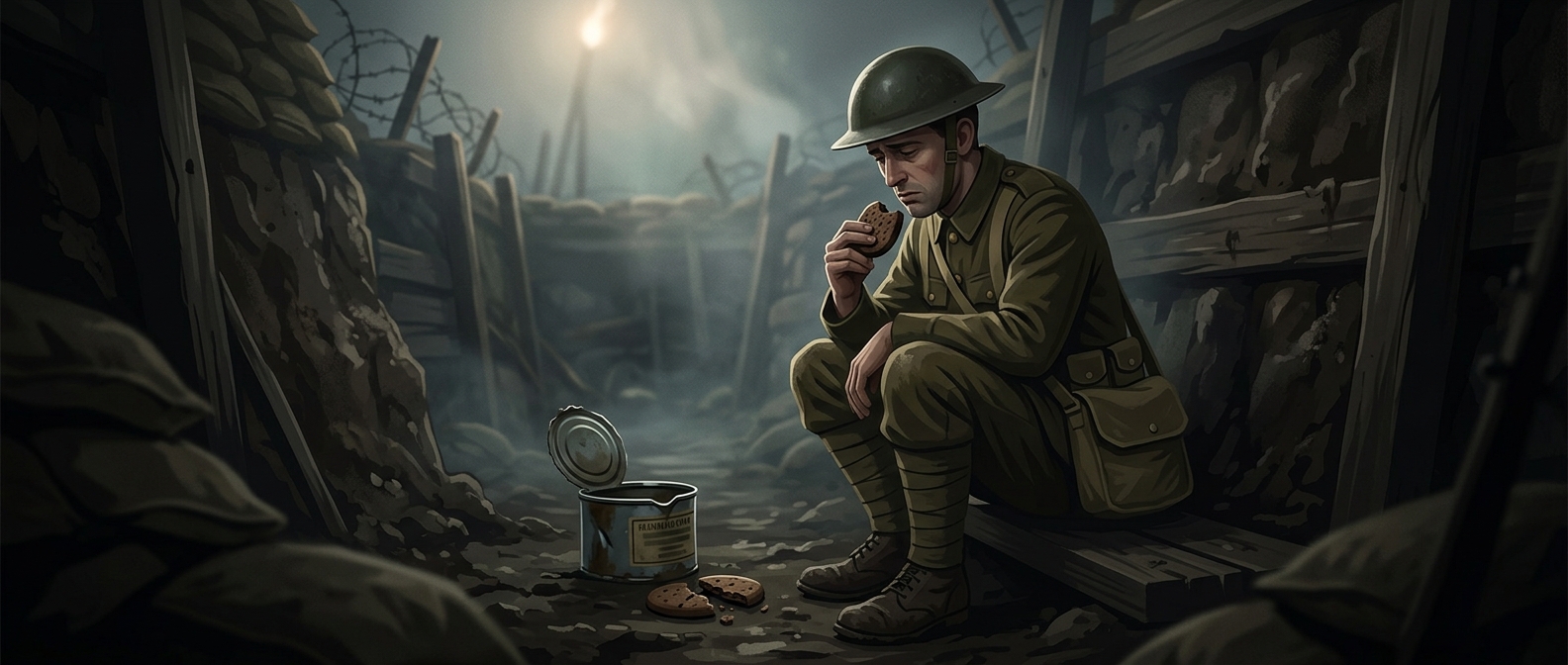
For a soldier trapped in trench warfare, appearing mentally unfit could seem like one of the few ways to leave the line. The danger was not only the enemy’s fire: exposure, exhaustion, constant noise, and the expectation of returning to duty could make continued service feel impossible. In that bind, some men deliberately acted confused or disturbed, hoping their behavior would bring medical attention and removal from the front.
A Performance Had to Pass for a Medical Problem
There was no simple switch that turned an alarming display into safety. A soldier’s behavior had to be assessed by military doctors and authorities, who had to decide whether he was ill, pretending, or both. A convincing performance might lead to treatment or reassignment; it could also invite suspicion and punishment. The risk was especially sharp because the same outward signs—confusion, agitation, or an inability to function—could arise from genuine psychological collapse.
During the war, “shell shock” became a familiar name for mental and physical symptoms associated with combat. It did not describe one neatly understood condition, and doctors disagreed about its causes. That uncertainty made the boundary between deliberate imitation and real suffering difficult to draw. A man who began by acting could also be living through a level of fear and strain that was no longer under his control.
The Escape Reveals the Pressure
These cases were not proof that soldiers as a group rejected duty, nor that distress was always a calculated trick. They show what desperation could look like inside a system that demanded endurance and treated absence from the front as something to justify. The most unsettling detail is the gamble: to escape one danger, a soldier might have to make himself appear so unwell that others could no longer trust what they saw.