A border incident became an international crisis
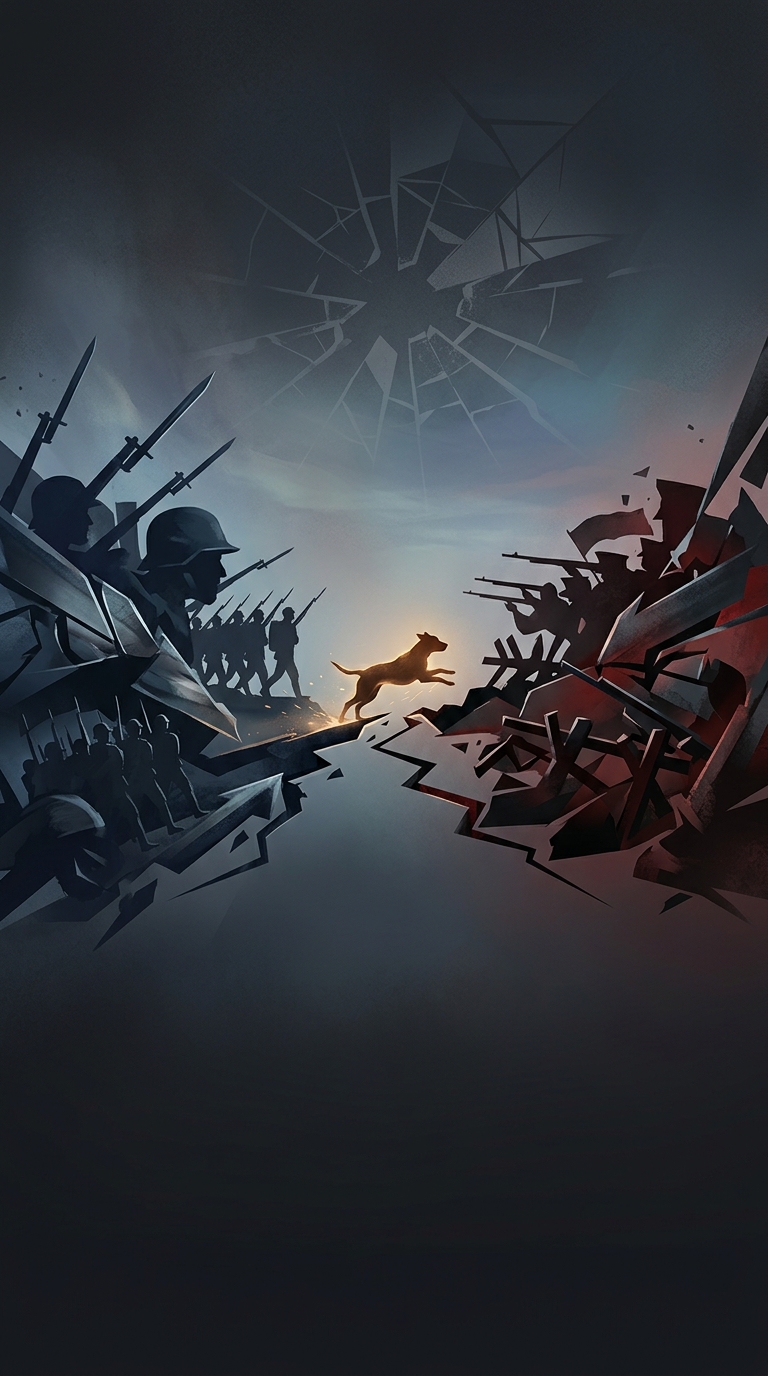
In October 1925, a clash along the Greek-Bulgarian frontier escalated into a short military conflict. The familiar name, the War of the Stray Dog, comes from the account that a Greek soldier ran after his dog across the border and was shot by Bulgarian guards. The dog story is widely repeated, but the broader sequence matters more than the disputed details of how the first encounter unfolded: Greek troops crossed into Bulgaria, and fighting followed.
Why the League of Nations stepped in
The Greek advance reached the area around the Bulgarian town of Petrich. Bulgaria appealed to the League of Nations, an international body created after World War I to help resolve disputes between countries. Its involvement offered a way to halt the fighting without letting the border clash grow into a larger war.
The League called for a ceasefire and the withdrawal of Greek forces. Greece complied and was required to compensate Bulgaria. That outcome made the episode an early test of whether an international institution could restrain a state that had used force against a neighbor.
A brief war, with a lasting lesson
The conflict lasted only days, but it caused roughly 50 casualties. Its scale was small compared with the wars that had recently devastated Europe; its significance lay in how quickly a local incident could trigger an invasion—and how diplomacy could bring it to an end.
The stray-dog tale gives the episode its memorable name, but the concrete consequence was more serious: a border shooting became a military occupation, then an international dispute settled through pressure to withdraw and pay compensation.