A short sound carries a direction
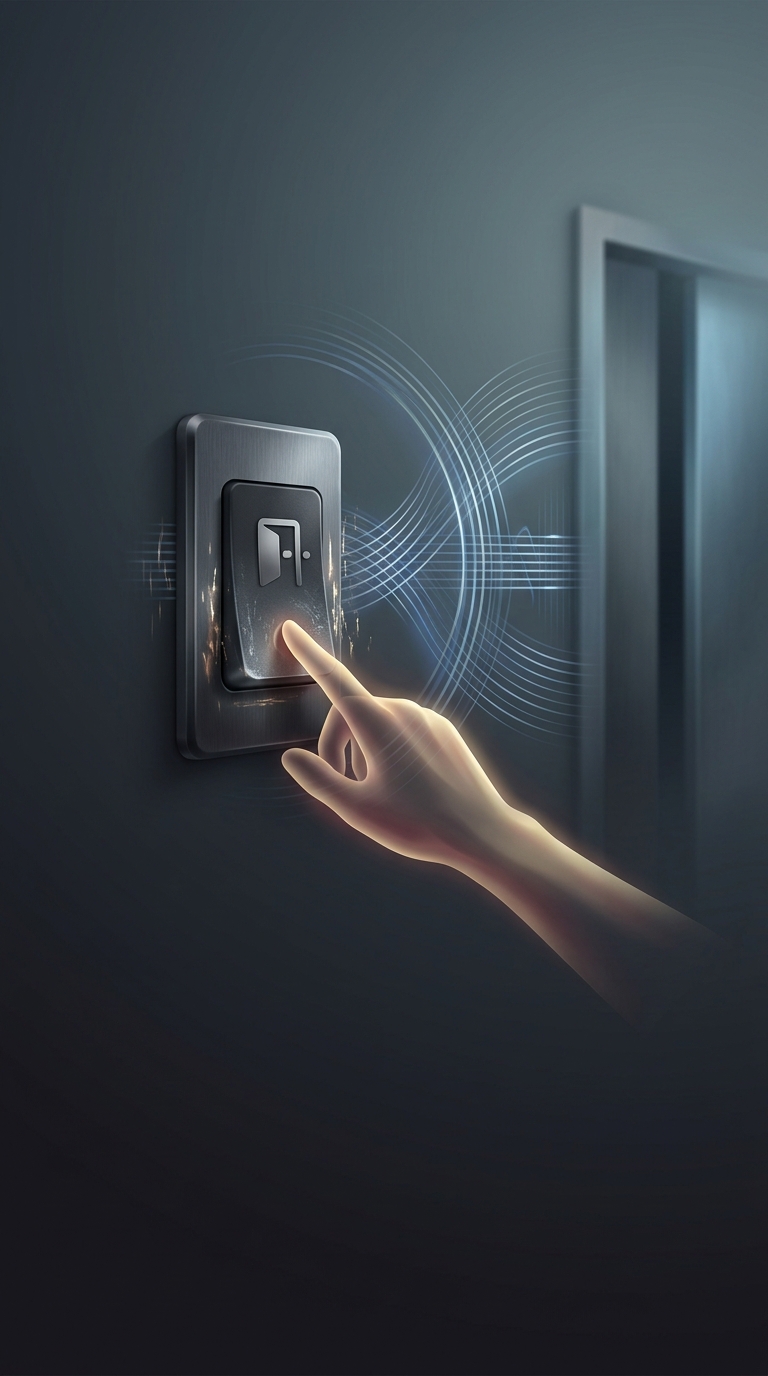
In many elevators, the chime is a small piece of wayfinding: one tone means the car is traveling up, and two mean it is traveling down. The elevator’s control system already tracks the car’s direction; it can trigger the matching signal as the car arrives at a floor. A passenger can hear the difference without seeing an indicator light or display.
Useful before the doors open
That timing matters. Someone waiting can use the chime to decide whether the arriving car is heading toward their destination, rather than stepping in and discovering its direction from a visual panel. The signal can also help a blind or low-vision passenger stay oriented amid the repeated stops and starts of a ride.
The chime is not a full account of the journey: it indicates direction, not the floor the car is approaching or how many stops remain. Other audible cues, such as spoken floor announcements, can provide that extra information. And signal conventions can differ between elevators, so the meaning depends on the system in use.
Accessibility built into the ride
A directional chime turns information that might otherwise appear only on a screen into something passengers can hear. It is a modest design choice, but one that can make the decision to board—and the ride that follows—easier to navigate without relying on sight.