An arrival turns strangers into an audience
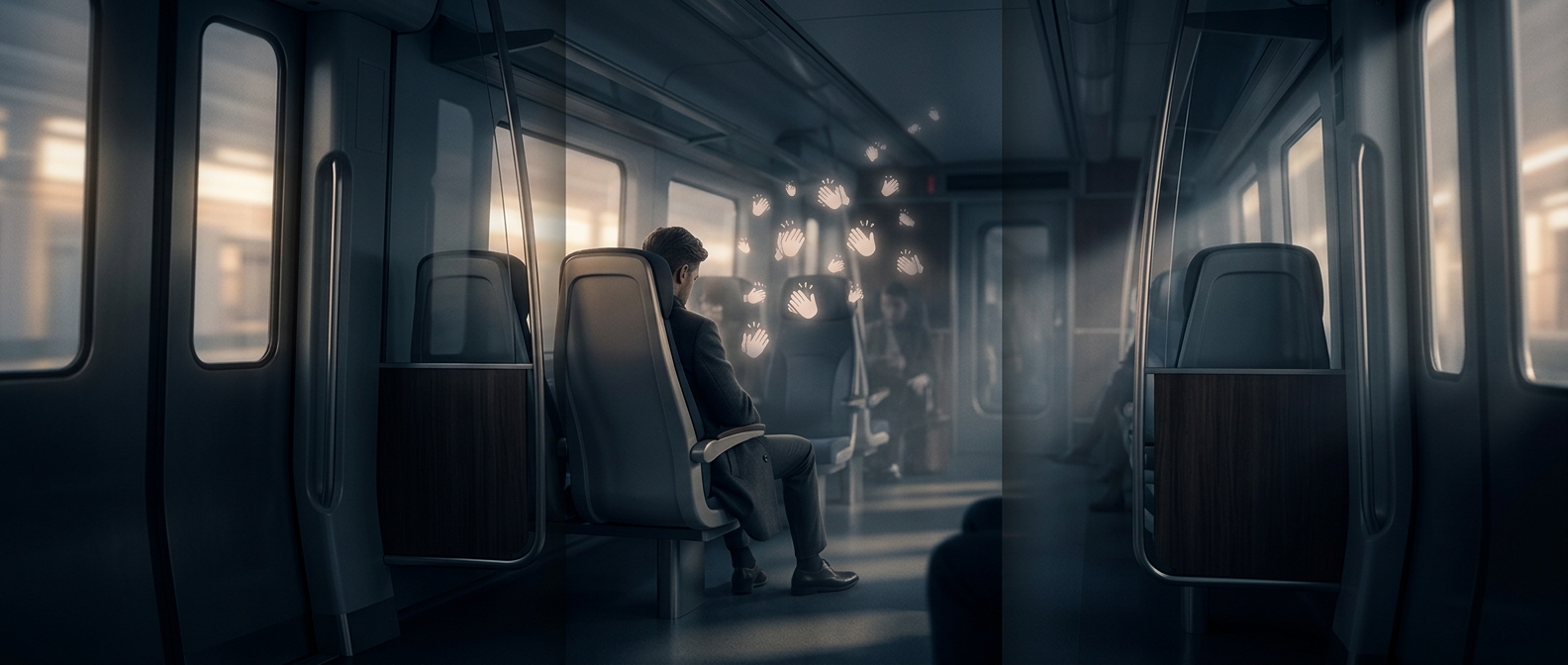
Applause usually needs a shared ending: a performance finishes, a speaker steps away, or a difficult task is complete. A train’s arrival can supply that same cue. The slowing cars, the platform coming into view, and the doors opening make the end of the journey visible to everyone at once.
That common timing matters. In a crowded carriage, passengers may have spent hours facing different directions and keeping to themselves. Once the train stops, a few people can start clapping and make the moment legible to the rest: this is not just another station stop; it is an occasion worth marking.
Relief becomes a group gesture
The gesture can carry more than one feeling. Passengers may be recognizing the people who operated the train, but they may also be expressing their own release from the strain of a long or unsettling ride. Applause gives that feeling an easy public form—one that does not require strangers to talk to one another.
It is not an automatic response to every arrival. The stronger the sense of a shared ordeal or memorable trip, the more meaningful the ending can feel. When clapping catches on, the train’s stop becomes a brief ceremony: a roomful of people who were traveling separately mark, together, that they have made it.