How one token kept a single track clear
A single-track railway creates a simple but dangerous problem: trains moving in opposite directions may need the same stretch of rail. Signals can tell a driver to stop, but the railway also needs a reliable way to ensure that only one train is authorized to enter at a time.
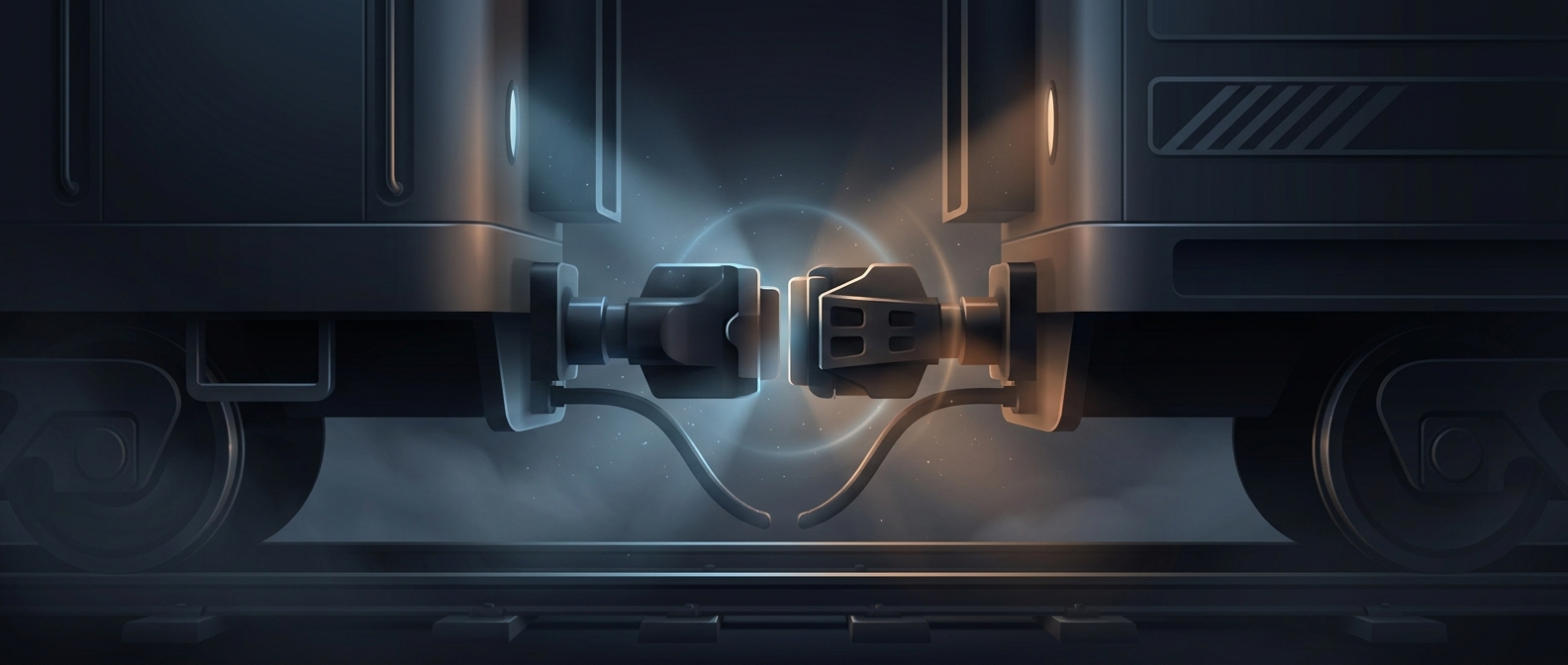
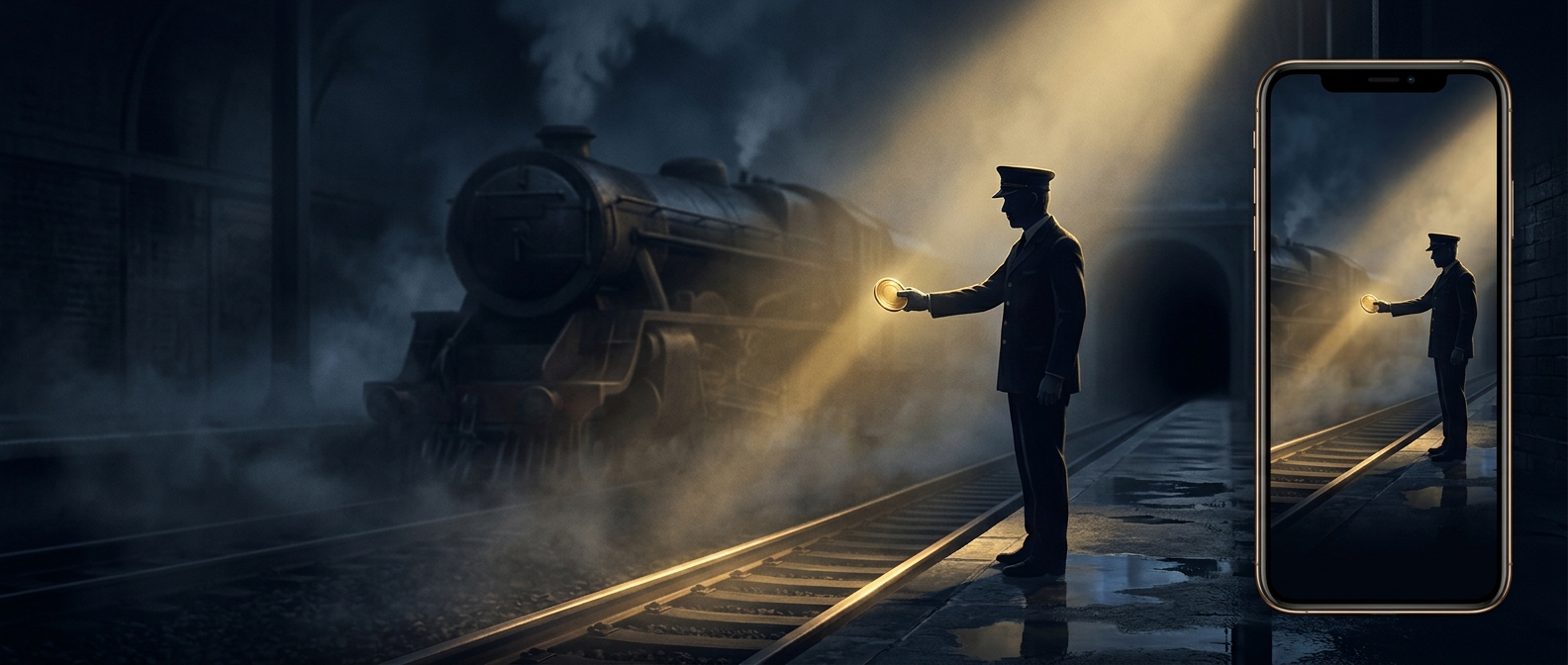
In a token system, the track was divided into sections, each governed by a physical token. A driver could enter a section only while carrying its token. The token therefore served as both permission and proof: if one train had it, another could not legitimately have the same authority.
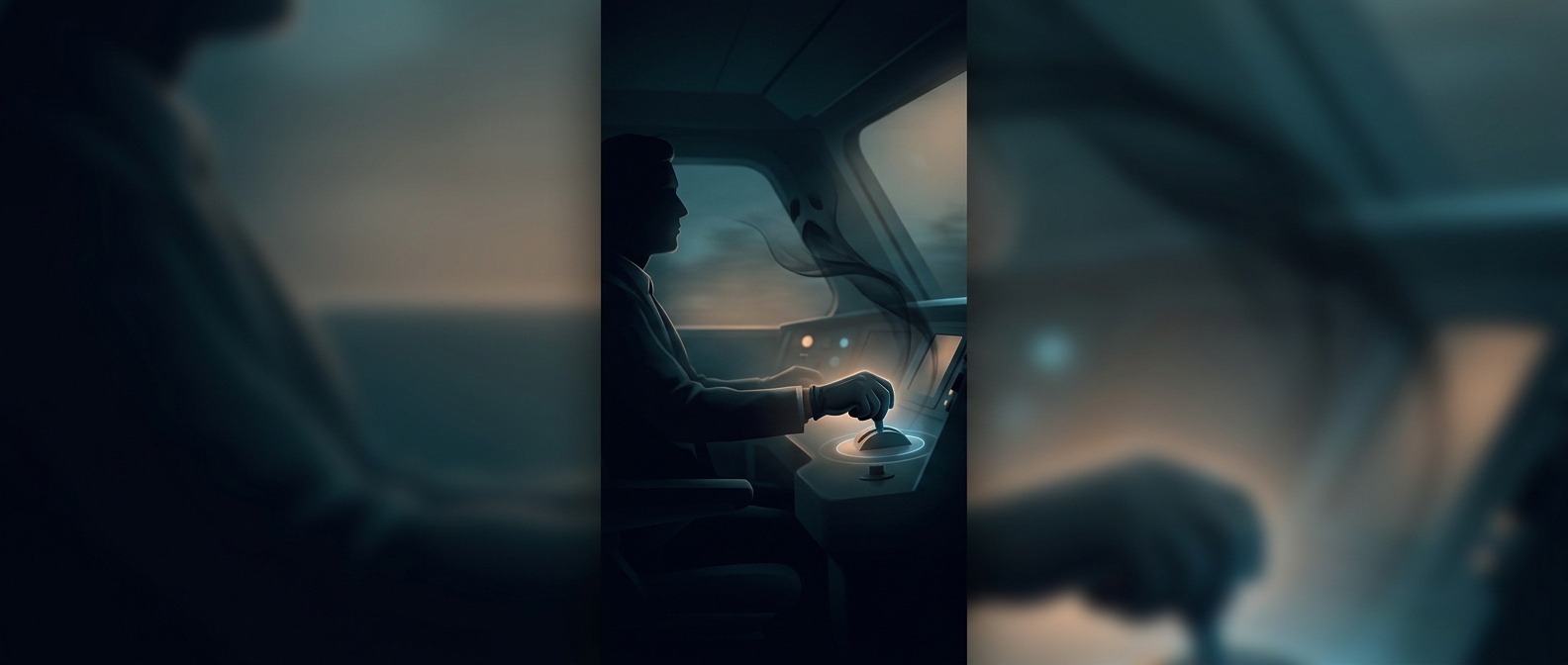
The token had to travel with the train
The safeguard depended on procedure as much as metal. A train approaching a section had to obtain its token from the person or equipment controlling that section. At the far end, the token was surrendered before the train entered the next section. It could then be made available for another movement in the opposite direction.
That handoff made the train’s progress visible in a practical way. The token was not merely a signal displayed beside the track; it went with the train, tying permission to the vehicle actually occupying the line. Some systems used equipment that prevented a token from being released while another token for the same section was already out, adding a mechanical check to the operating rules.
A small object, a large operational constraint
The system’s strength was also its limitation: a section could not be used by another train until its token came back. That meant traffic had to be scheduled around the time a train spent crossing the section, and a delayed train could hold up following movements. The tradeoff was deliberate—less flexibility in exchange for a clear, tangible rule against opposing trains claiming the same track.
A token could not prevent every railway accident, but it addressed the central danger of single-track operation with an authority a driver could physically carry. Before movement could be coordinated by modern electronic systems, the safe answer to “Who may enter this stretch?” could fit in a hand.