A chrysalis is a body under reconstruction
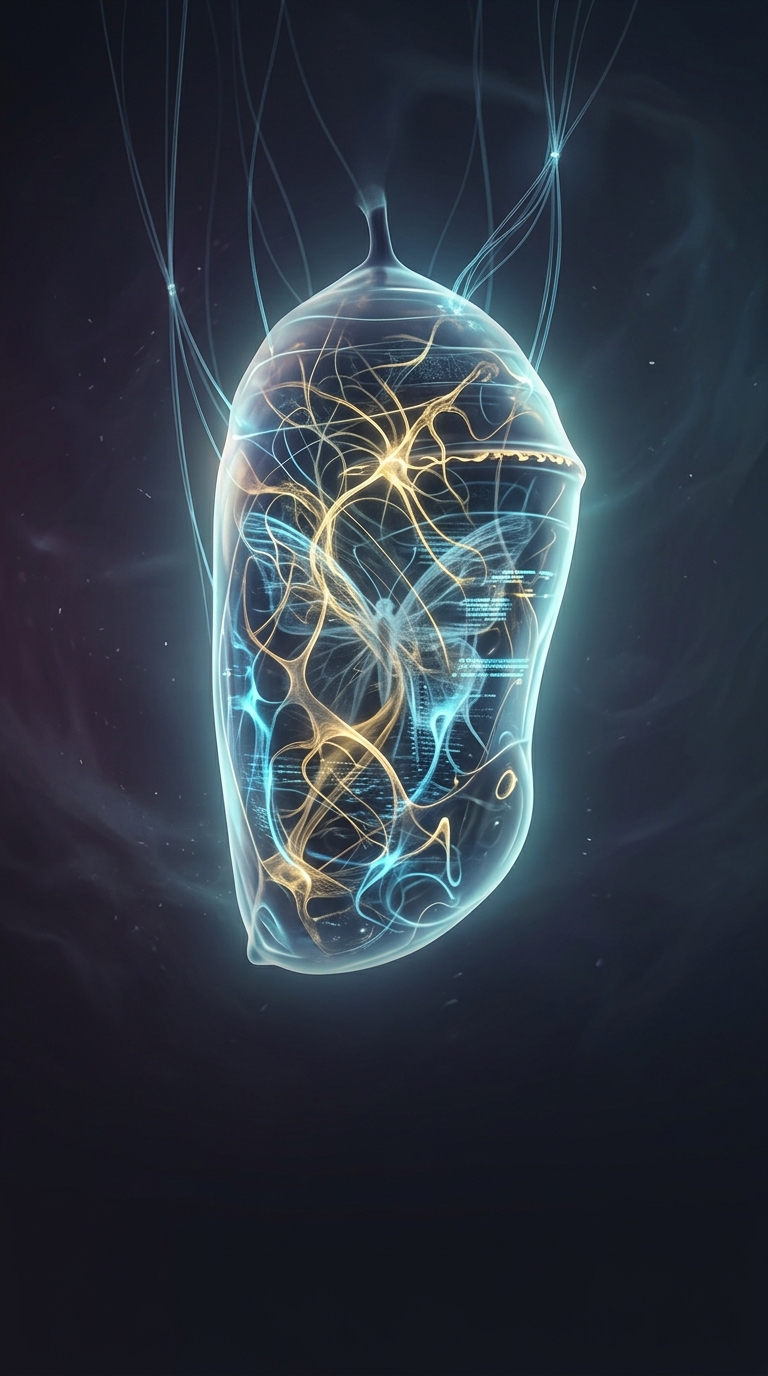
A chrysalis is the pupal stage of a butterfly—not a sealed container holding a finished caterpillar. After the caterpillar sheds its skin for the last time, the pupa’s outer casing protects a major reorganization underway inside.
The familiar claim that the caterpillar simply “turns to mush” is an exaggeration. Some larval tissues break down, releasing material the developing butterfly can reuse. Other parts, including important components of the nervous system, persist and are remodeled. Meanwhile, clusters of cells called imaginal discs, already present in the caterpillar, grow into adult structures such as wings, legs, and antennae.
From larval tissues to adult structures
The change is coordinated, not a single instant of transformation. Hormonal signals regulate the shift into the pupal stage and help direct tissue breakdown and development. Cells use the released nutrients, along with stored reserves, to build and fuel the adult body. The exact timing varies by species and conditions, but the process can last from days to weeks.
As development nears completion, the butterfly’s body takes shape within the pupal case. Its wings are formed but still soft and folded; they are not ready for flight. The pupa is therefore not waiting for a caterpillar to emerge—it is the protective stage in which the adult body is assembled and refined.
The final minutes happen outside
When the butterfly is ready, it splits the pupal case and climbs out. Its wings are crumpled and damp, so it hangs nearby and pumps fluid through them to expand them. The wings then dry and stiffen before it can fly.
That last pause is part of the transformation too: the butterfly emerges with its wings made, but not yet usable.