When the room became its own audience
A camera usually makes a scene for people somewhere else. In Shirley Clarke’s Tee Pee Video Space Troupe, the camera’s image returned to the room: participants could see themselves on monitors while they were still together. That closed circuit—video sent to screens inside the same space rather than out to a public broadcast—made the group both performer and audience.
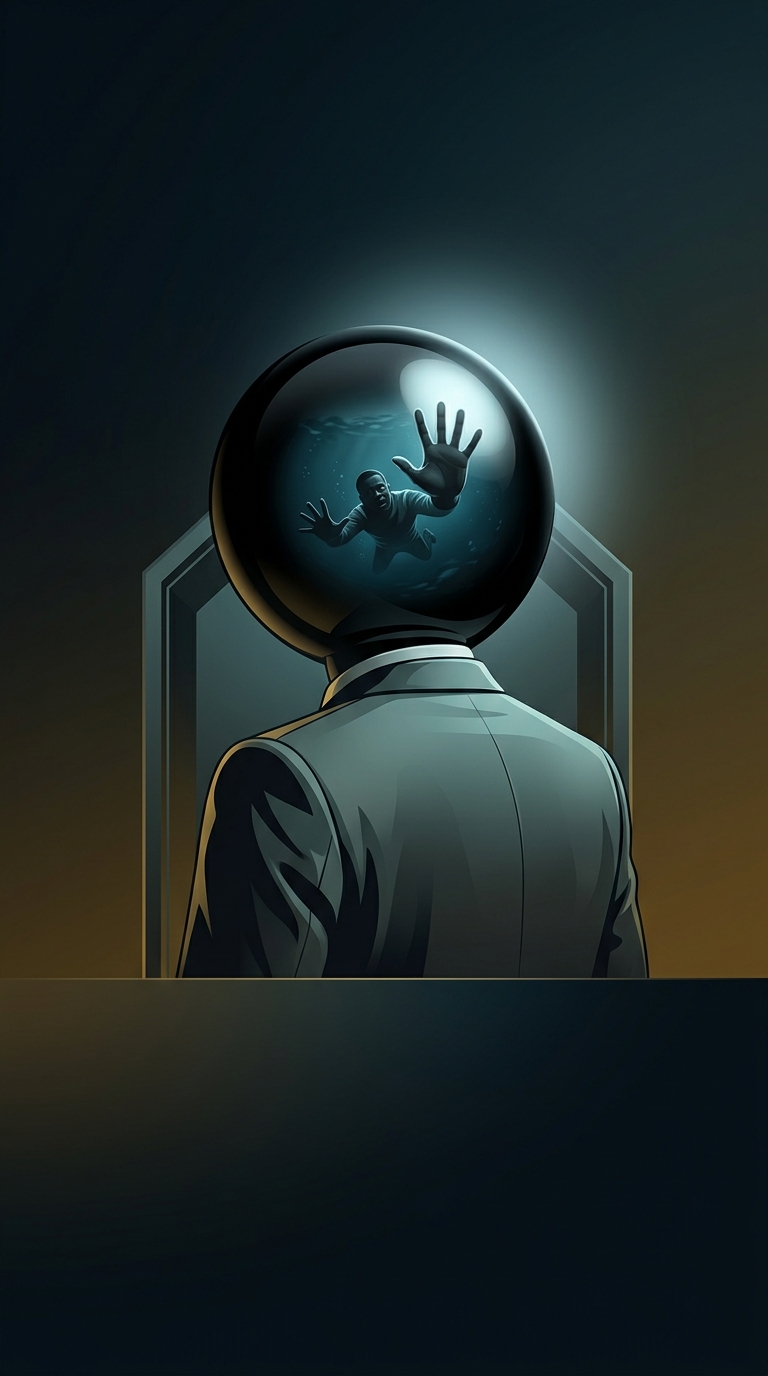
The screens changed what it meant to be present. A person could speak or move, then encounter that action as an image watched by others. With a delayed feed, the image arrived moments after the event, creating a small gap between doing something and seeing it. Mirrored projections could multiply or reframe the group’s appearance. These devices made self-observation part of the activity, not a later review of a recording.
Performance with a therapeutic edge
That arrangement helps explain the project’s “group therapy” description without confusing it with clinical treatment. The monitors gave participants a shared object to react to: not just one another, but the visible image of themselves together. A gesture, glance, or silence could become newly noticeable when it appeared on-screen. The setup invited people to experience how they looked to others while remaining inside the social situation that produced the image.
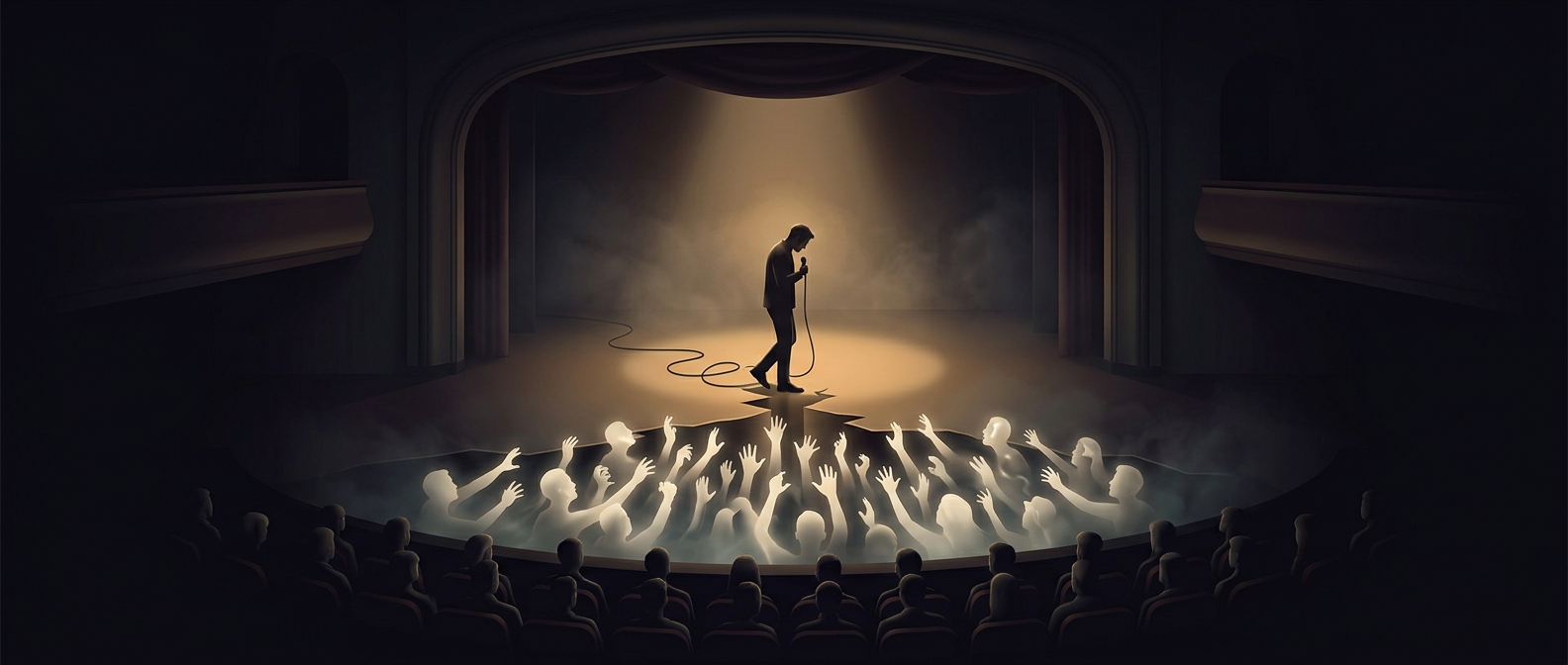
It also unsettled the usual boundary between performer and spectator. No outside audience was needed to make the act of watching consequential; the participants watched one another watching themselves. Clarke’s video space made feedback—the return of an image to its source—into a social event. The result was performance art built from an immediate, tangible question: what changes when a group can see itself as it happens?