When television became the medium, not just the message
For most viewers in the 1960s, television was a window: a camera recorded people or events, and a broadcaster sent the picture to living rooms. The Medium Is the Medium asked what happened if artists treated the entire chain—camera, studio equipment, signal, and screen—as material to shape.
That shift mattered because the artists were not simply making unusual programs. They were exploring the properties of a medium that normally hid its workings. A bent image or streak of color could be part of the artwork rather than a technical mistake to correct.
How a picture could feed on itself
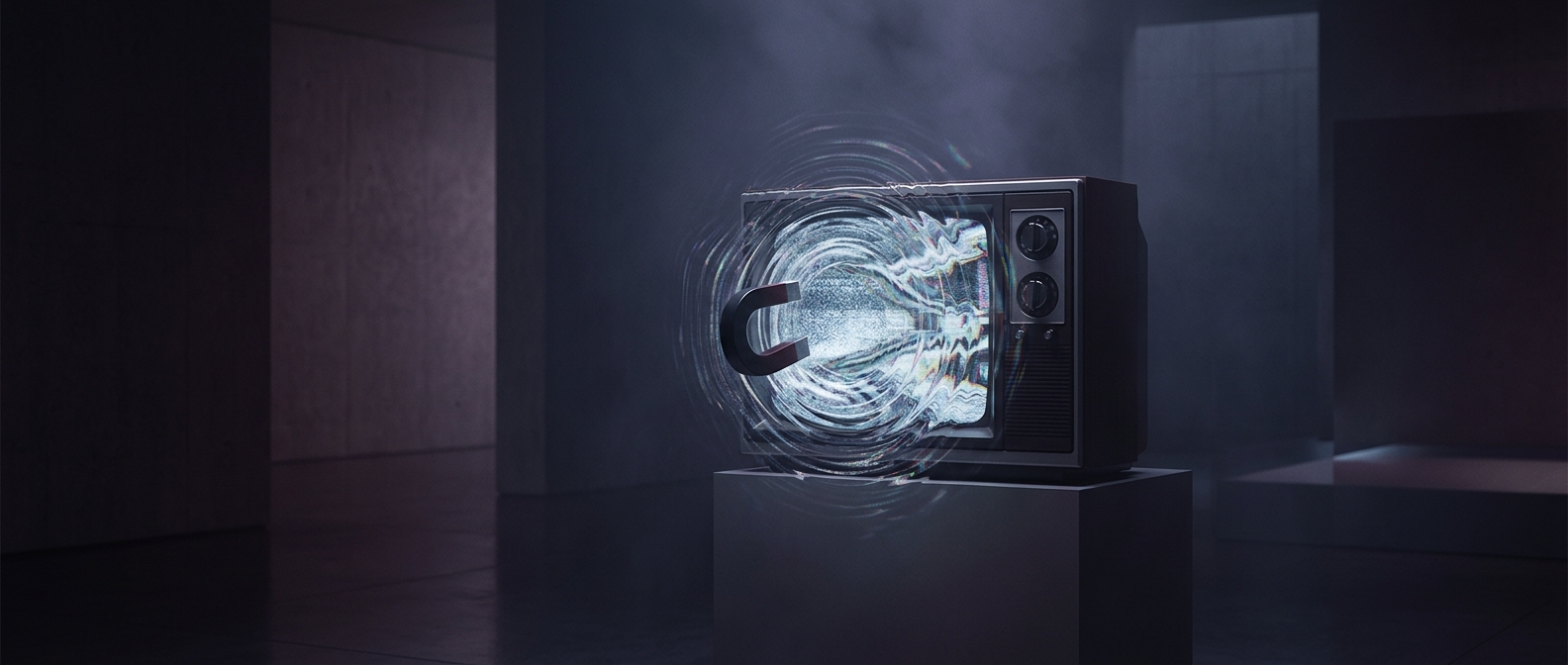
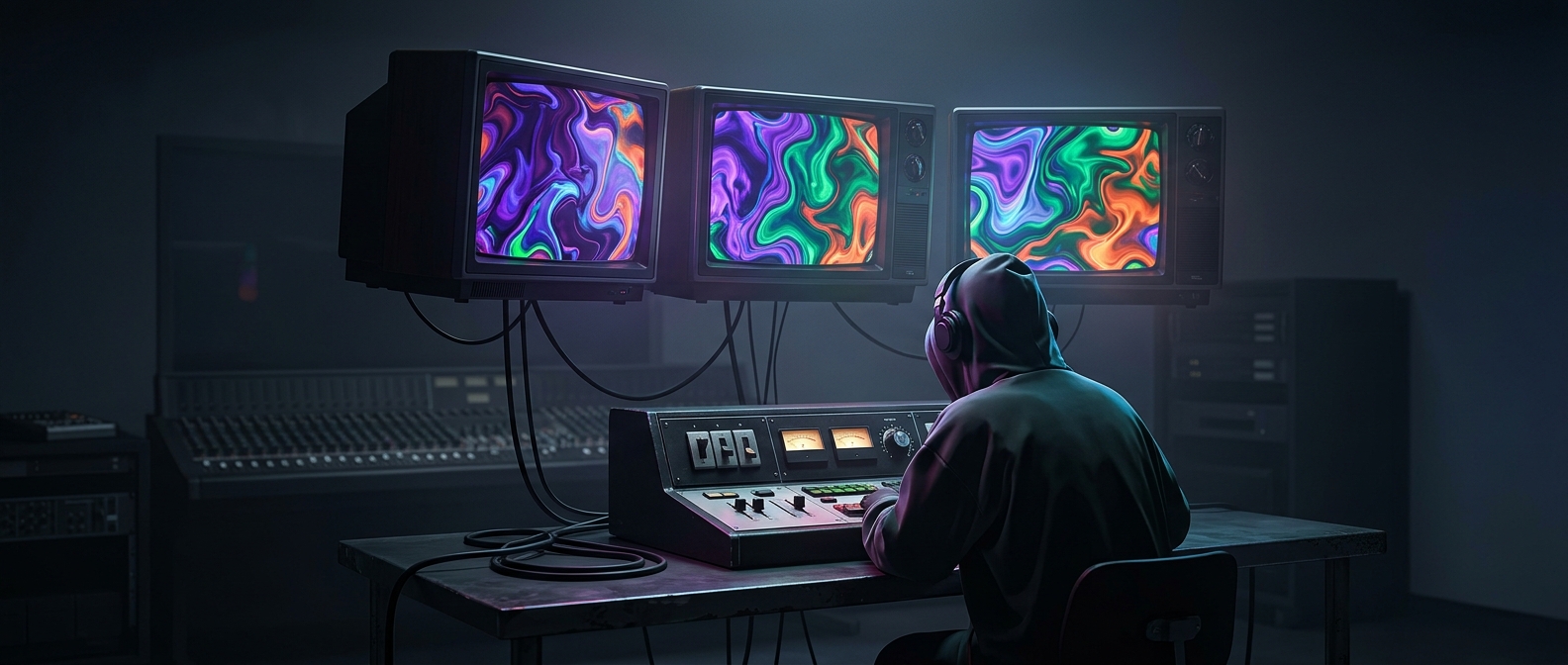
One striking tool was video feedback. Point a camera at a monitor showing its own image, and the picture travels in a loop: camera to screen and back to camera. Each pass can shift brightness, position, or shape, so the image may ripple, multiply, or seem to tunnel inward. The result is a moving pattern generated by the broadcast equipment itself, not a drawing placed over a finished scene.
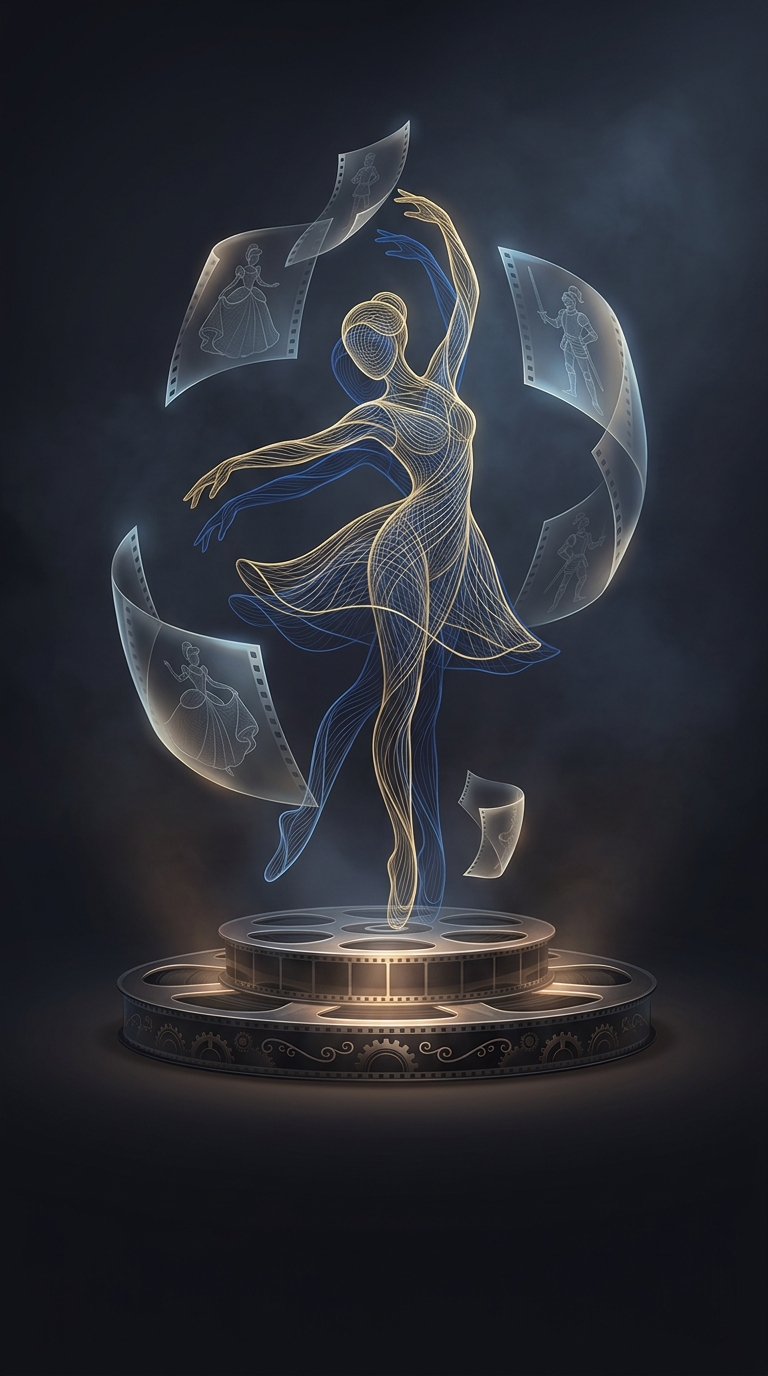
Other distortions came from manipulating the video signal—the electronic information that carries a picture. Changes to that signal could turn recognizable forms into abstract color and motion. Dancers, meanwhile, brought bodies into the same visual experiment, letting performance and electronic effects collide rather than keeping them in separate layers.
A broadcast made from experimentation
The program’s collage-like form reflected its central question: television did not have to imitate film or serve only as a delivery system for conventional entertainment. Its live electronic image could be explored as an art form in its own right. The equipment that usually made pictures look stable became a tool for making instability visible.
That is why the broadcast still reads as more than a collection of strange effects: it made the television signal itself part of what viewers were watching.