How Stronger Muscles Can Support a Joint
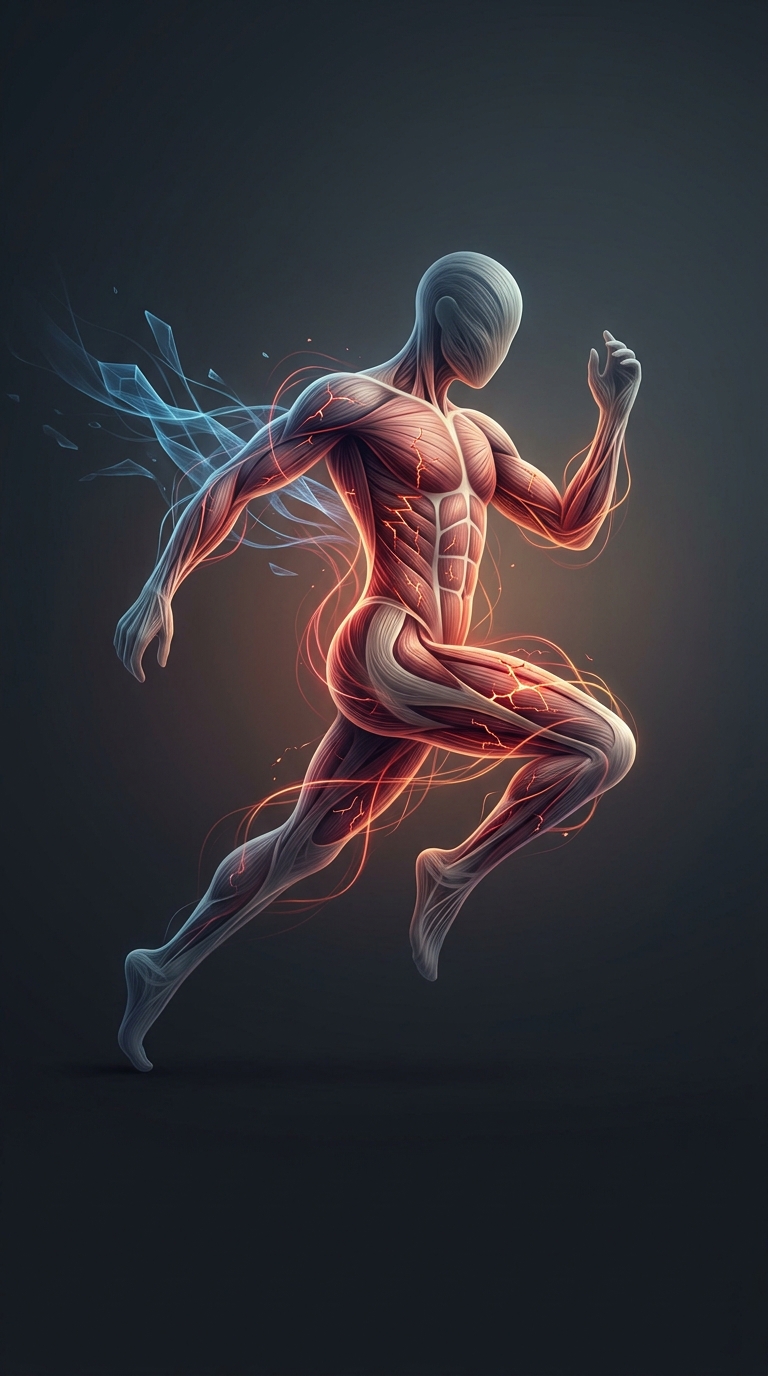
A joint is not held steady by bone alone. Muscles crossing it contract to guide movement and respond to forces. Around the knee, for example, the thigh and hip muscles help control how the leg bends and how the knee tracks as you sit, stand, or climb stairs. When those muscles can produce more force, they may help manage movement and share some of the effort that would otherwise be borne by joint tissues.
Training Builds More Than Muscle Size
A squat makes this support visible in action. As you lower and rise, muscles at the hips and knees work together to control the motion; they must also adjust as your balance and position change. Repeating a movement with gradually increasing resistance can improve both muscle strength and the ability to coordinate force during that task.
That does not mean a stronger muscle simply switches off pressure inside a joint. Joints are meant to experience forces, and the amount and pattern of loading still depend on the movement, the weight, and how it is performed. The practical benefit is better capacity to control and tolerate everyday demands—not a guarantee that a joint will never hurt or be injured.
Why Progression Matters
Strength training works best as a gradual challenge. Starting with a manageable range of motion and resistance gives the body a chance to adapt before the demand rises. A squat can be made easier or harder by changing its depth, adding support, or adjusting the load, so the exercise can match a person’s current ability.
The payoff reaches beyond the workout: standing from a chair or taking a step also asks muscles to steady joints under load. Stronger, better-coordinated muscles can make those ordinary movements easier to control.