Why a smartwatch can run out of power overnight
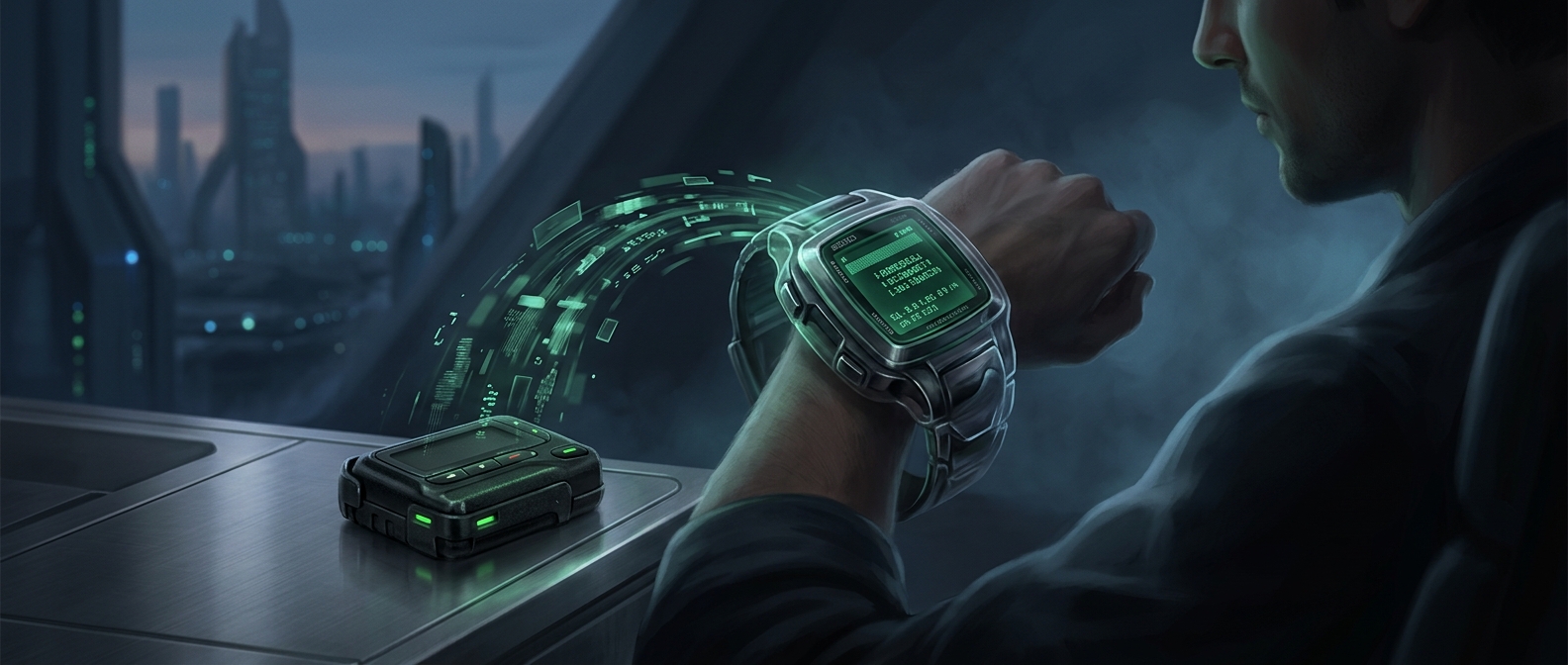
A conventional watch mostly has one job: keep time. A smartwatch is a tiny computer strapped to your wrist, and several of its most power-hungry parts may stay active throughout the day. Its bright display lights up when you check it; sensors sample your movement or pulse; and wireless connections carry notifications and data between the watch and phone. Each task uses a little energy, but repeated across waking hours, the drain adds up.
The battery has to share space with everything else
Smartwatches are small, so their batteries cannot simply be made much larger without making the watch bulkier or heavier. That creates a tight tradeoff: manufacturers fit a screen, sensors, processor and other components into a compact case, then try to make the limited battery last through their combined workload.
A traditional quartz watch, by comparison, can keep time with a low-power circuit and a small motor that moves the hands. It has no large screen to illuminate, and usually no stream of sensor readings or wireless updates to handle. Its battery therefore has a far lighter job.
Features turn into charging decisions
Battery life depends on how a watch is used. A bright, frequently activated screen, continuous health tracking, GPS workouts and regular wireless activity can all increase power use. Turning some features down may stretch a charge, but it also means using less of what the watch was built to do.
That is why charging becomes part of the routine for some models: the device trades long stretches of independence for an always-available display, measurements and phone-linked functions. The practical consequence is easy to overlook until bedtime—taking the watch off to charge may also mean a gap in overnight tracking.