When Sleep Scores Become Another Source of Stress
A sleep tracker is meant to make rest easier to understand. But for some people, its scores and charts turn sleep into a test they feel they have to pass. The more they worry about getting a “good” result, the harder it can become to relax enough to sleep.
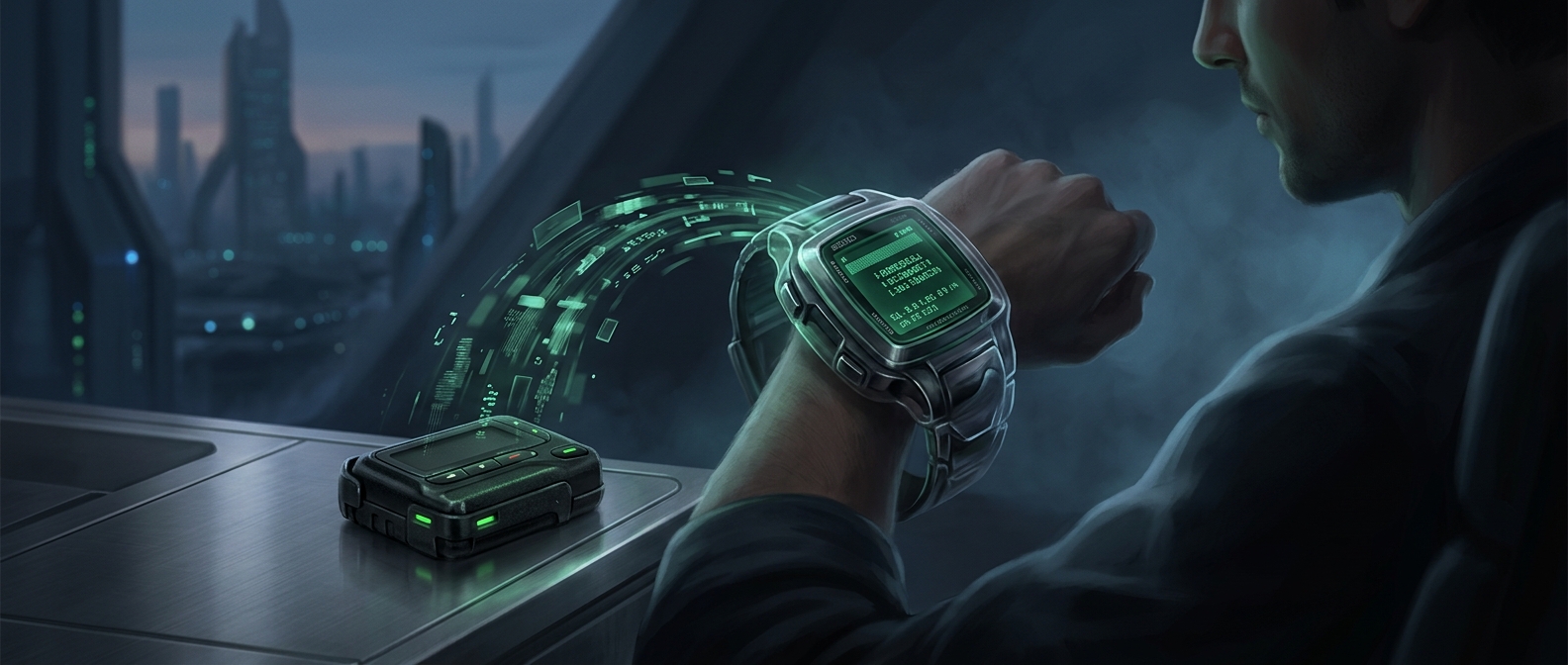
Sleep-tracking wearables estimate sleep from signals such as movement and heart-rate patterns. They do not directly observe every moment of wakefulness or identify sleep stages with the precision of a clinical sleep study. A person may therefore feel rested yet see a disappointing score—or feel exhausted after a night the device labels as adequate.
The feedback loop
That mismatch can prompt repeated checking: Was last night bad? Is tonight going to be better? Some users respond by going to bed earlier, staying in bed longer, or changing routines to improve the numbers. Those efforts can backfire. Spending extra time awake in bed may make the bed feel like a place for monitoring and frustration rather than sleep.
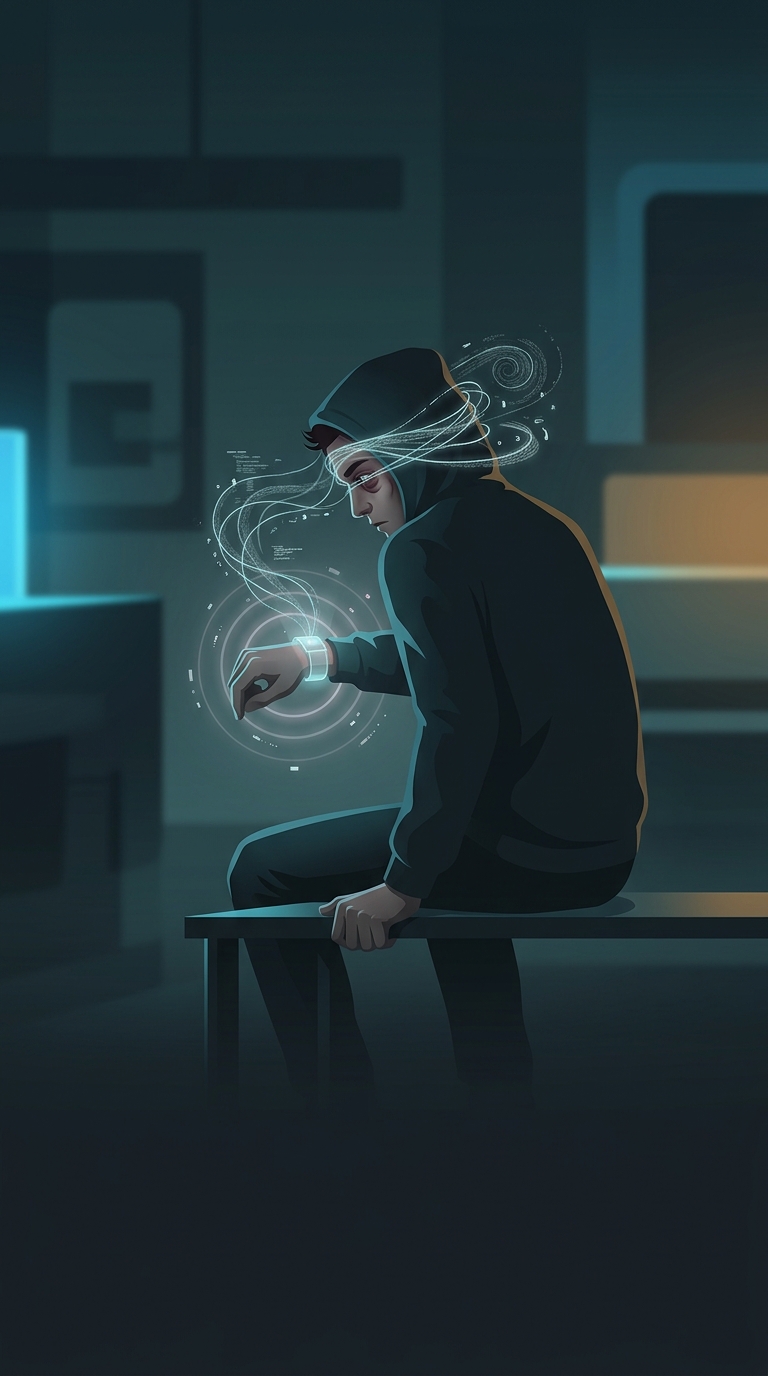
The worry can then carry into the night. A person notices being awake, anticipates a poor score, and becomes more alert. In turn, the device’s next report gives the worry fresh material. This pattern is sometimes called orthosomnia: distress or sleep-disrupting behavior driven by the pursuit of “perfect” sleep data. It is a descriptive term, not a claim that every tracker user will develop a disorder.
Data is a tool, not a verdict
Tracking can still help people notice broad patterns, such as how schedules or habits coincide with changes in rest. The trouble starts when an estimate becomes a measure of whether the night “counted.” If checking a device increases anxiety or keeps someone awake, setting it aside—or focusing on how they feel during the day rather than a nightly score—can remove one source of pressure.
The irony is that a tool designed to reveal sleep can make sleep feel like work: the effort to optimize the score may become part of what keeps a person awake.