Three wheels changed the ride—and its social meaning
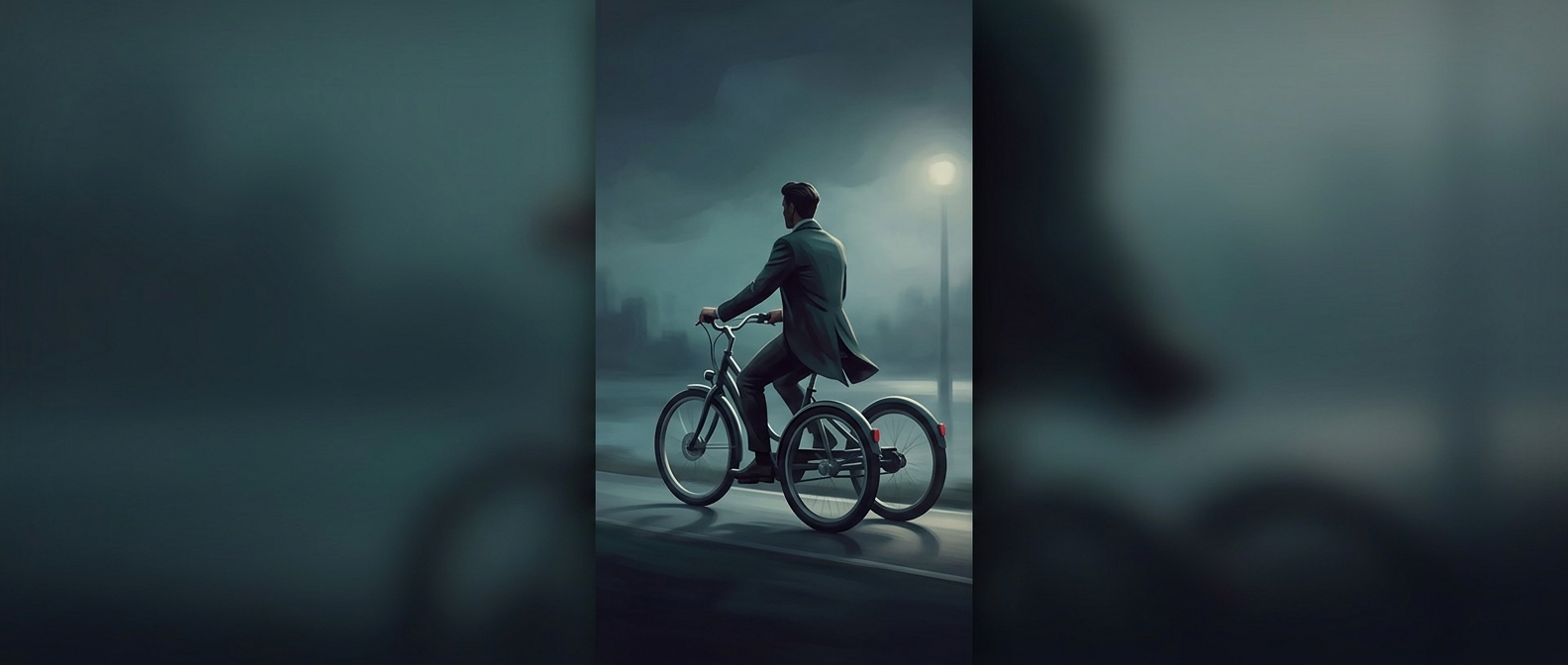
A two-wheeled bicycle asks its rider to balance continuously, especially while starting, stopping, or moving slowly. A tricycle rests on three wheels, so it can remain upright without the same balancing effort. That made it a more manageable option for riders wearing long skirts, though the benefit depended on the machine’s design: a frame with room for the clothing mattered as much as the extra wheel.
Victorian tricycles were not one uniform model. Their layouts varied, but many offered a lower, more settled way to sit than the tall bicycles that had become conspicuous symbols of cycling. The result was a practical compromise: women could take up a new form of mobility without adopting quite the same posture, clothing adjustments, or public image associated with riding a high-wheeled machine.
Royal approval helped make practicality respectable
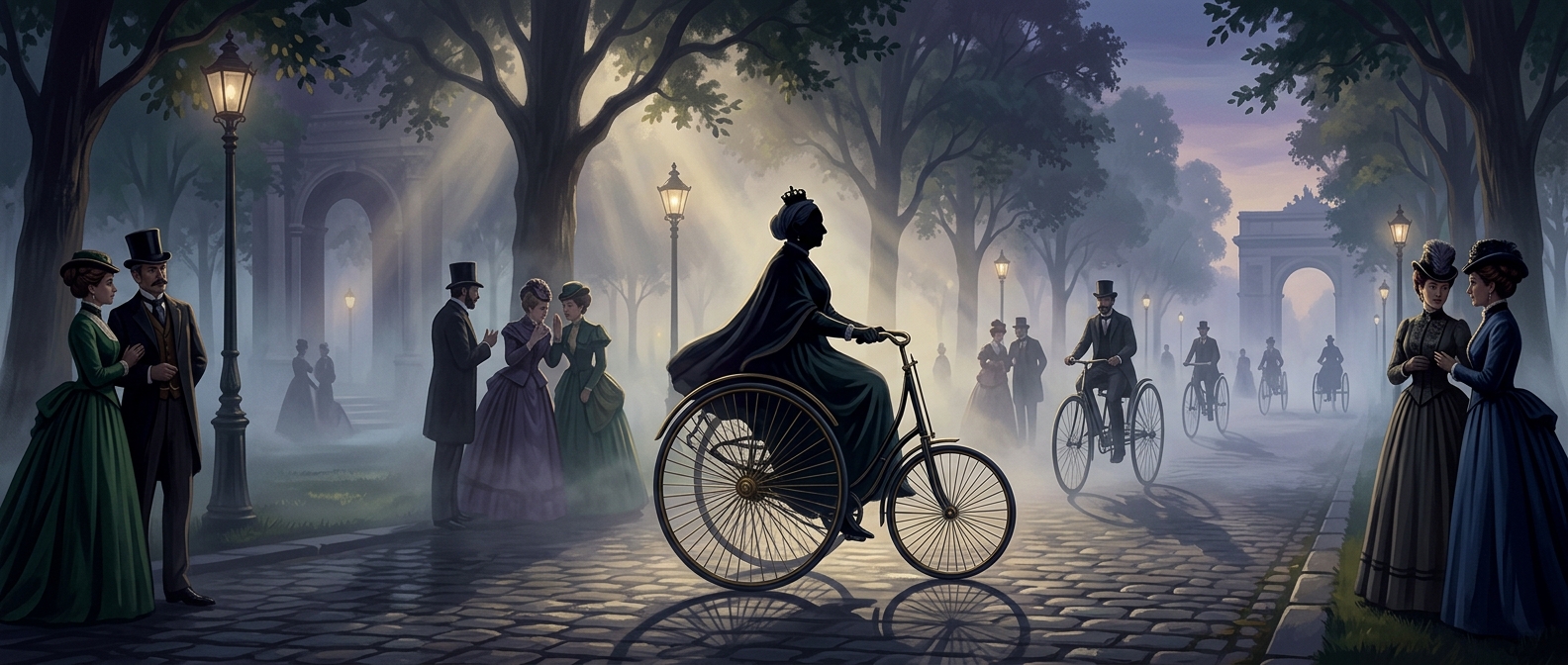
Practical advantages alone did not settle whether cycling was considered appropriate for women. Clothing, posture, and the visibility of a woman riding in public all carried social meaning. Queen Victoria’s approval gave tricycles a different kind of endorsement: an activity that might have seemed unconventional could now be associated with royal respectability.
That signal mattered because fashion is partly social permission. Once three wheels looked acceptable, the tricycle could be seen not just as a workaround for skirts or balance, but as a legitimate way for women to travel. The machine’s appeal came from joining a physical advantage to a cultural one: it felt steadier to ride and easier to defend in public.