When safety looked like a sales problem
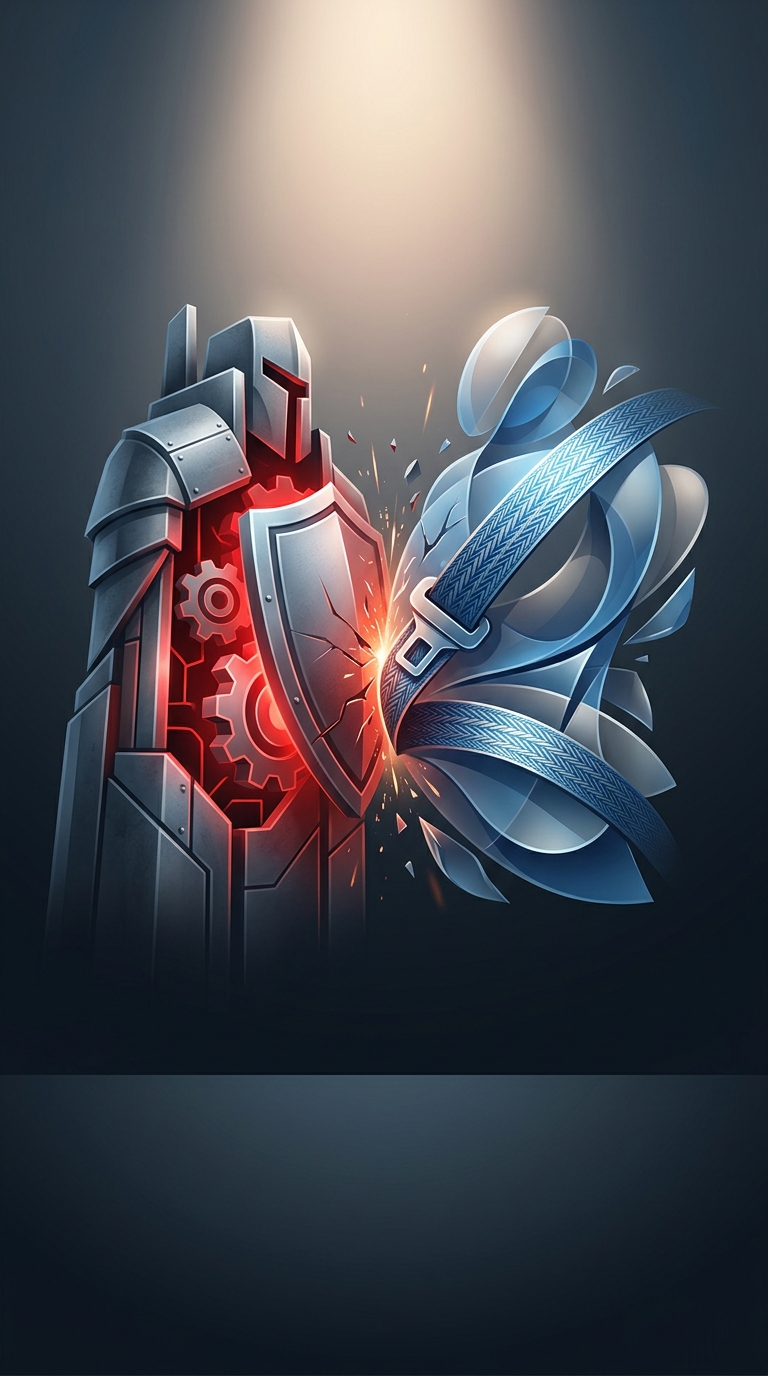
A seat belt did more than add hardware to a car: it made the possibility of a crash visible. Before belts became standard equipment, a buyer could judge a car by its styling, comfort, and power without confronting an everyday reminder that a drive might end suddenly. Automakers worried that putting restraints in the cabin would make danger part of the sales pitch—even when the belt’s purpose was to limit injuries if a crash occurred.
That concern reflected a basic marketing tension. A safety feature earns its value in a rare, frightening moment, while its presence is noticed on every ordinary trip. If shoppers interpreted the belt as evidence that a car was dangerous, the protection could seem to undermine the product it was meant to improve.
Installation was not the same as use
The eventual shift toward required equipment changed what manufacturers had to build into new cars; it did not, by itself, require every occupant to buckle up. Those are separate questions: a vehicle can be fitted with a restraint even when its driver is not legally required to wear it. That distinction matters because making belts available was an engineering and manufacturing decision, while persuading people to use them involved law and public behavior.
Once belts were built into cars, their role was less like an optional accessory and more like part of the vehicle’s safety system. In a sudden stop, a restrained occupant is less likely to keep moving forward independently of the car. The belt helps keep the person positioned so the vehicle’s structure and other protective features can do their work.
The marketing irony was that the feature most useful in a crash could look like an admission that crashes were possible. Making it standard turned that unsettling signal into an ordinary part of the car—something present before anyone needed it.