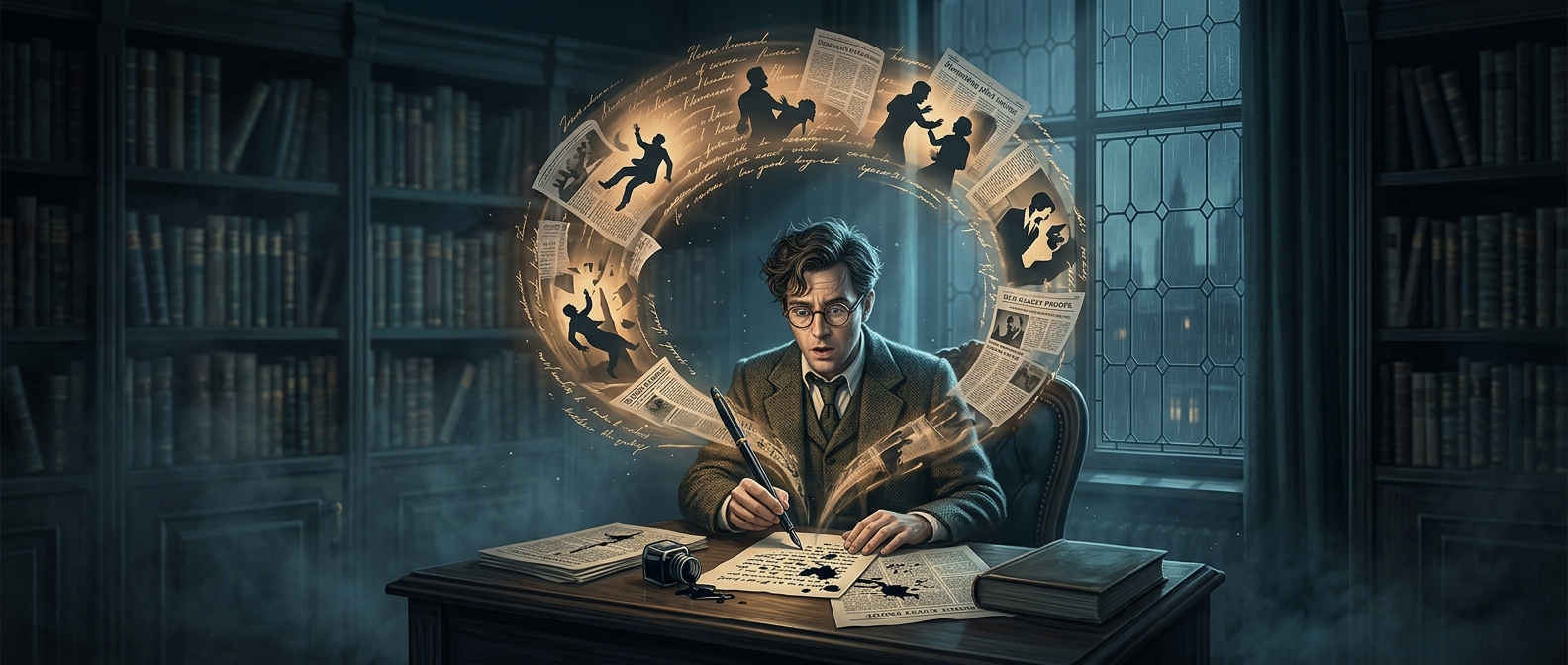
How “Spoiler” Became a Plot-Ending Warning
In 1971, National Lampoon used the word “spoiler” for an article that revealed the endings of classic thriller films. The joke depended on a simple imbalance: the magazine knew the twists, while readers might still want to discover them for themselves. By telling the endings outright, the article deliberately did what audiences feared a careless friend or review might do.
That made “spoiler” a compact name for more than a plot detail. It described information that could spoil the experience of encountering a story in sequence—especially a mystery or thriller, where uncertainty is part of the entertainment. Once the ending is known, a second viewing may still be enjoyable, but the first-time suspense cannot be recovered.
From Satire to Everyday Etiquette
The term’s usefulness outlasted the joke. As people discussed films and books in newspapers, conversations, and eventually online, “spoiler” offered a quick way to identify a particular risk: not that a story was bad, but that someone had revealed a surprise before others were ready to hear it. A warning could let readers choose whether to continue; avoiding one could preserve the discovery.
The word therefore gave audiences a shared label for negotiating how much of a story to reveal. Its original punchline became a lasting social rule: the same ending can be harmless information to one person and a ruined surprise to another.