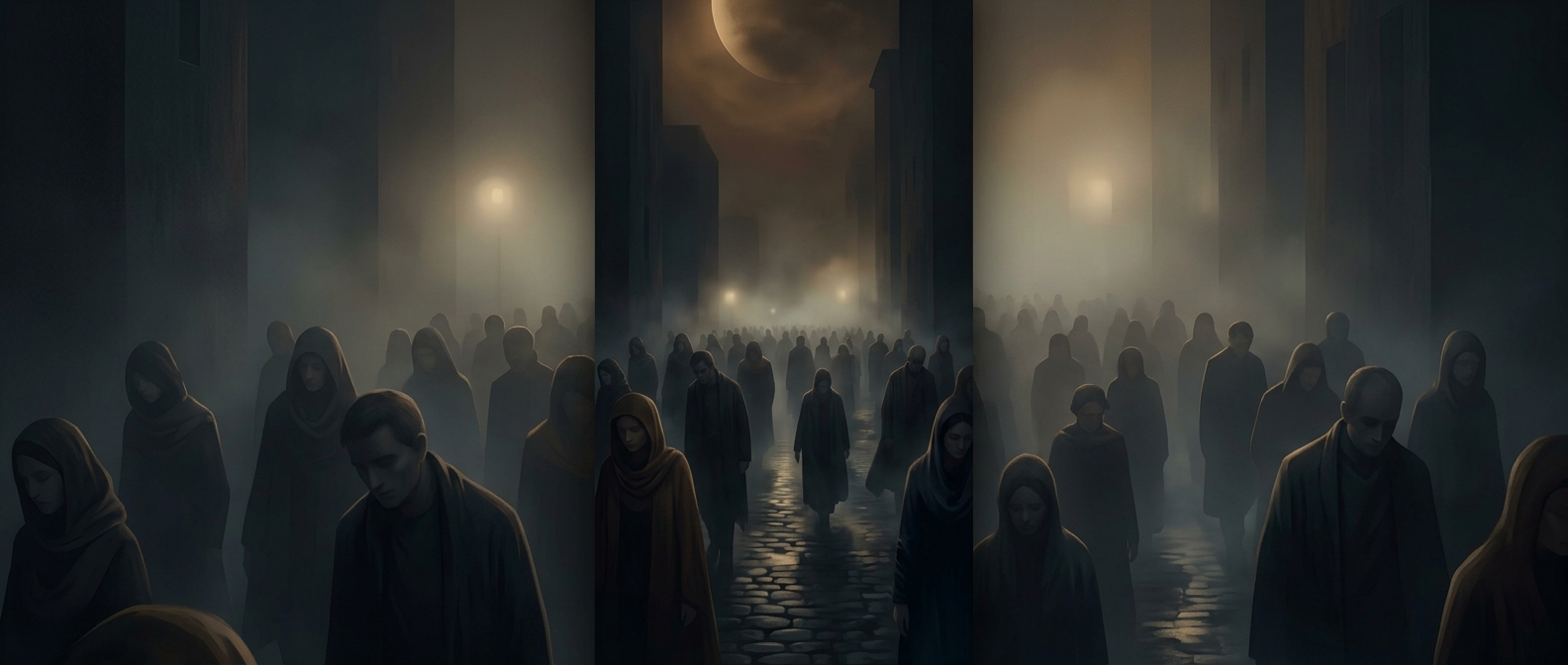
Why Ficino Thought Clothes Could Reach the Soul
For the Renaissance philosopher Marsilio Ficino, a garment’s color was not merely decoration. He believed the heavens influenced earthly life through subtle powers, and that carefully chosen colors, along with music, scents, and foods, could help a person receive those influences. Clothing therefore belonged to a larger practice of shaping one’s surroundings to support the mind and spirit.
Color as a Link Between Earth and the Heavens
Ficino’s reasoning drew on a worldview in which the visible and invisible were connected by correspondences: qualities in the world below echoed powers associated with the planets above. A color could serve as one such echo. Wearing it placed that quality close to the body, where Ficino believed it could affect the person’s inner condition.
This was not a claim that fabric mechanically changed the soul. Ficino imagined influence passing through the body’s subtle life-force—often called spiritus, a fine medium connecting bodily sensation and the soul. A garment’s color could, in his account, help attune that medium to a beneficial celestial influence.
Clothing as Part of a Daily Practice
The idea made ordinary choices—what to wear, smell, eat, or listen to—potential tools for cultivating a desired state. Its logic depended on a Renaissance theory of cosmic harmony, not on evidence in the modern scientific sense. But it also shows how thoroughly Ficino’s view of the soul extended into daily life: even the color against the skin could be treated as a way of tending to the inner self.