How a Self-Driving Car Turns Sensor Data Into a Move
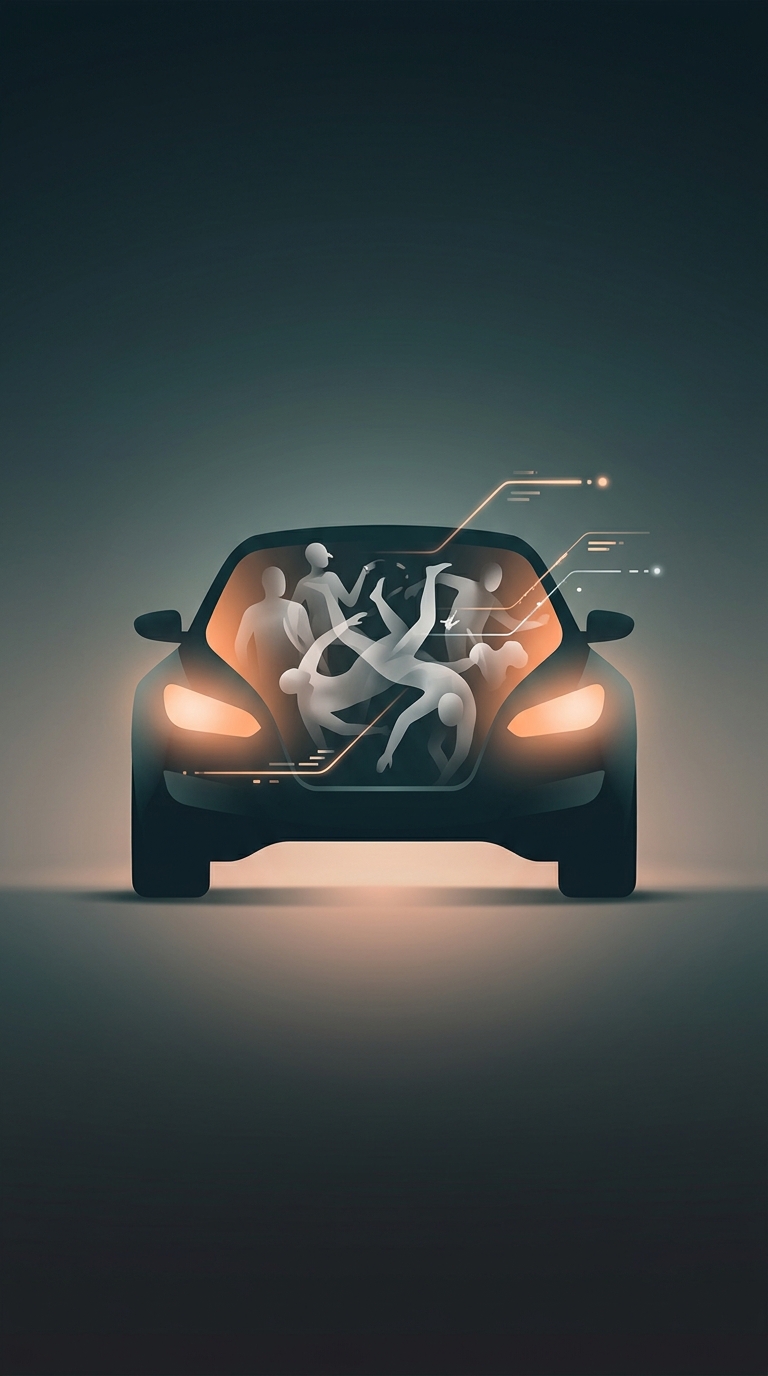
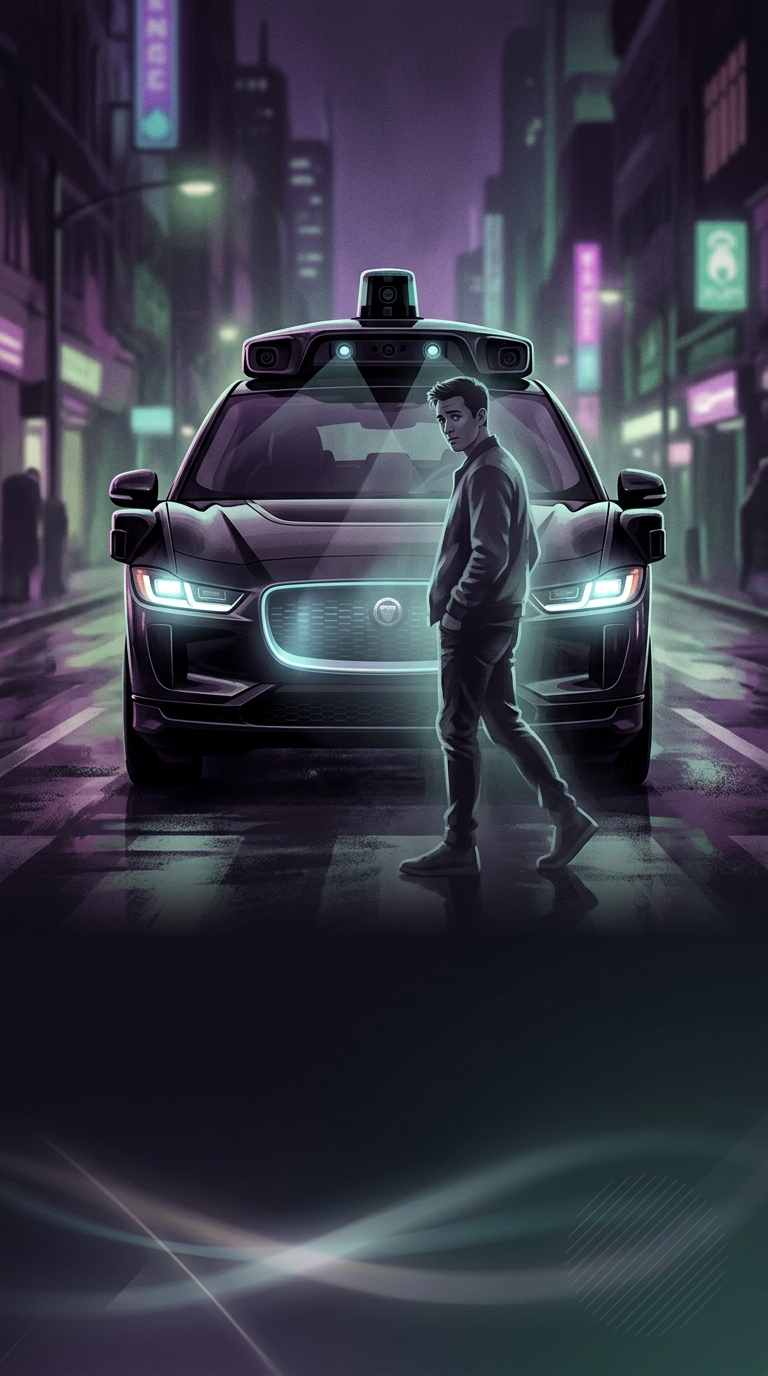
A camera records patterns of light, not “a pedestrian” or “a stop sign.” Software has to infer what those patterns represent, then decide what they may do next. Depending on the vehicle, cameras may be combined with radar, which measures how objects move, or lidar, which maps distance using laser pulses. Each sensor contributes a different, imperfect slice of the scene.
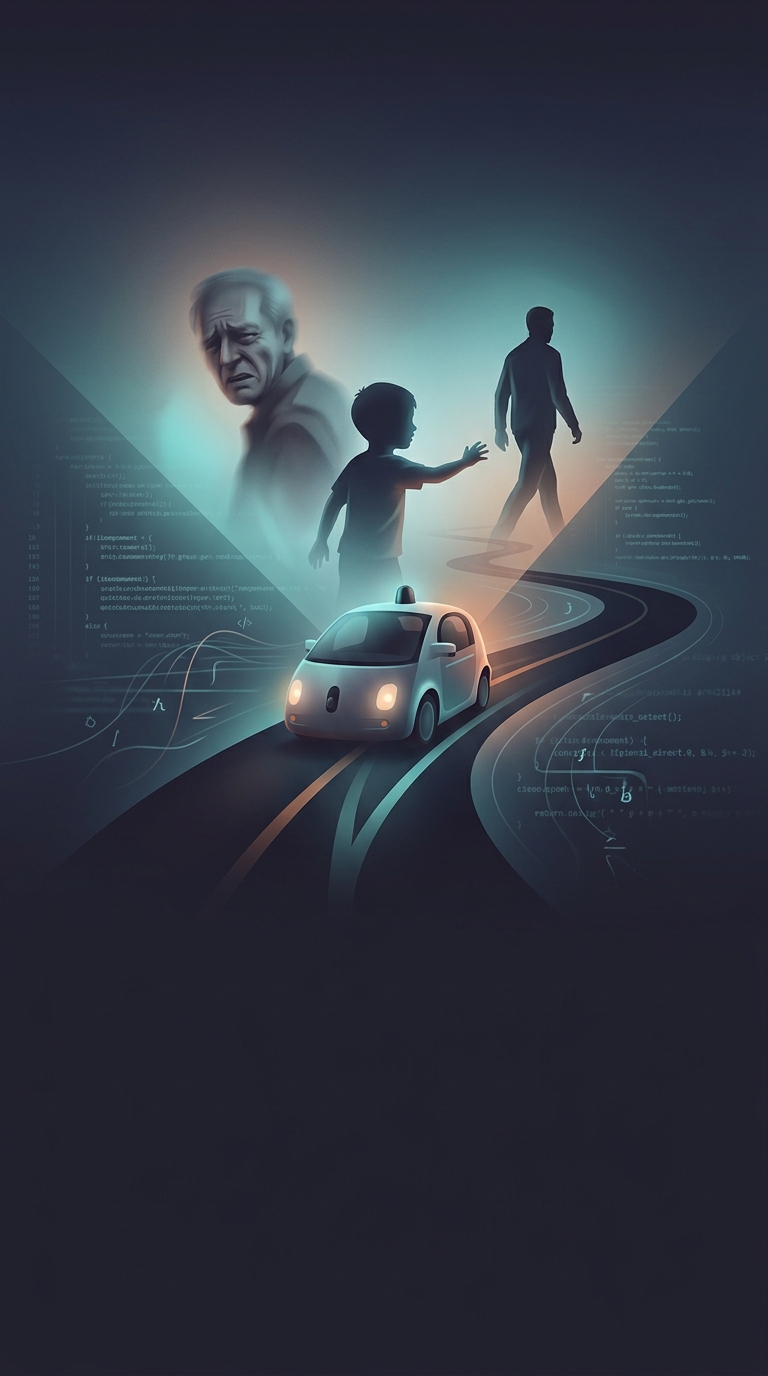
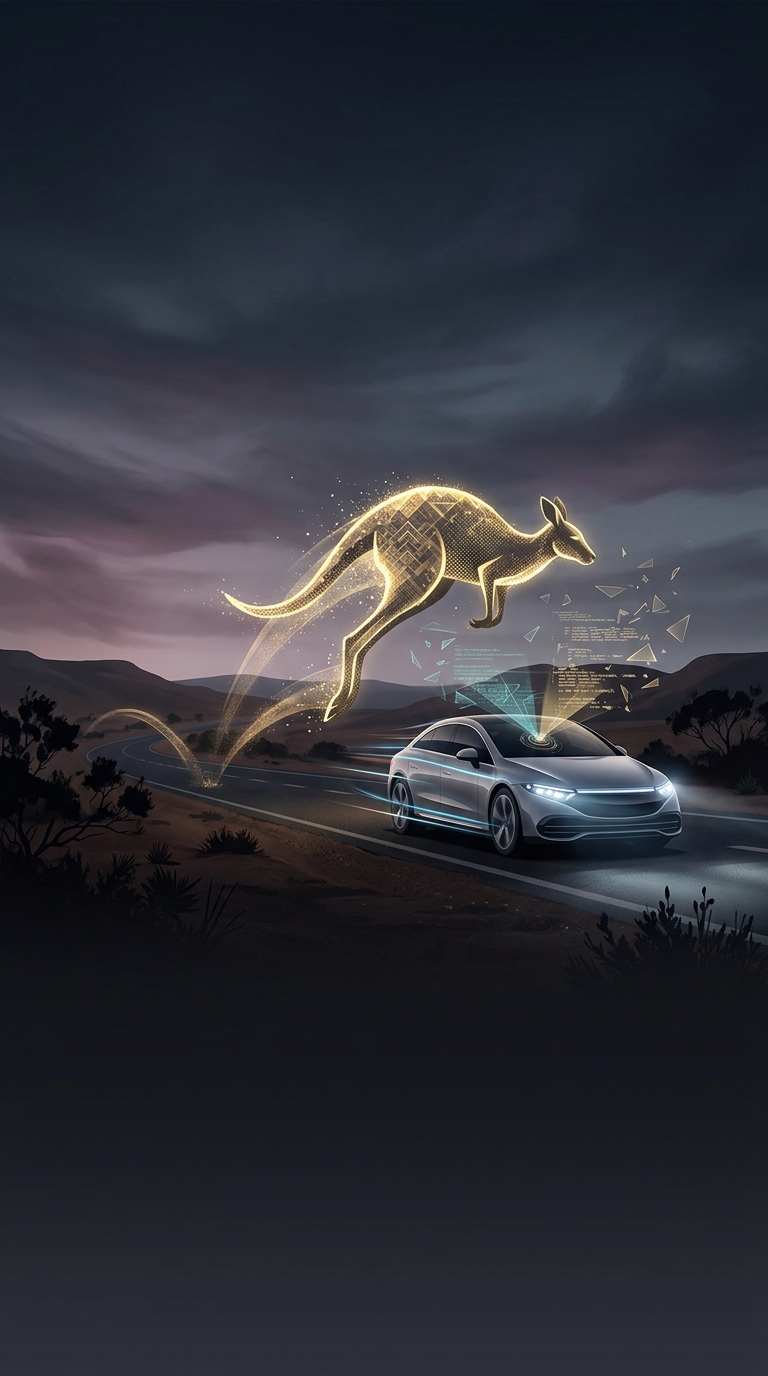
The car’s computers combine those slices into a changing estimate of its surroundings: where the lane boundaries are, how far away nearby objects seem, and whether a moving shape is likely to cross the car’s path. This is often called perception. It is not a human-like understanding of why a child is near the curb; it is a set of measurements and classifications that can be updated as new data arrives.
From Possible Futures to a Safe Path
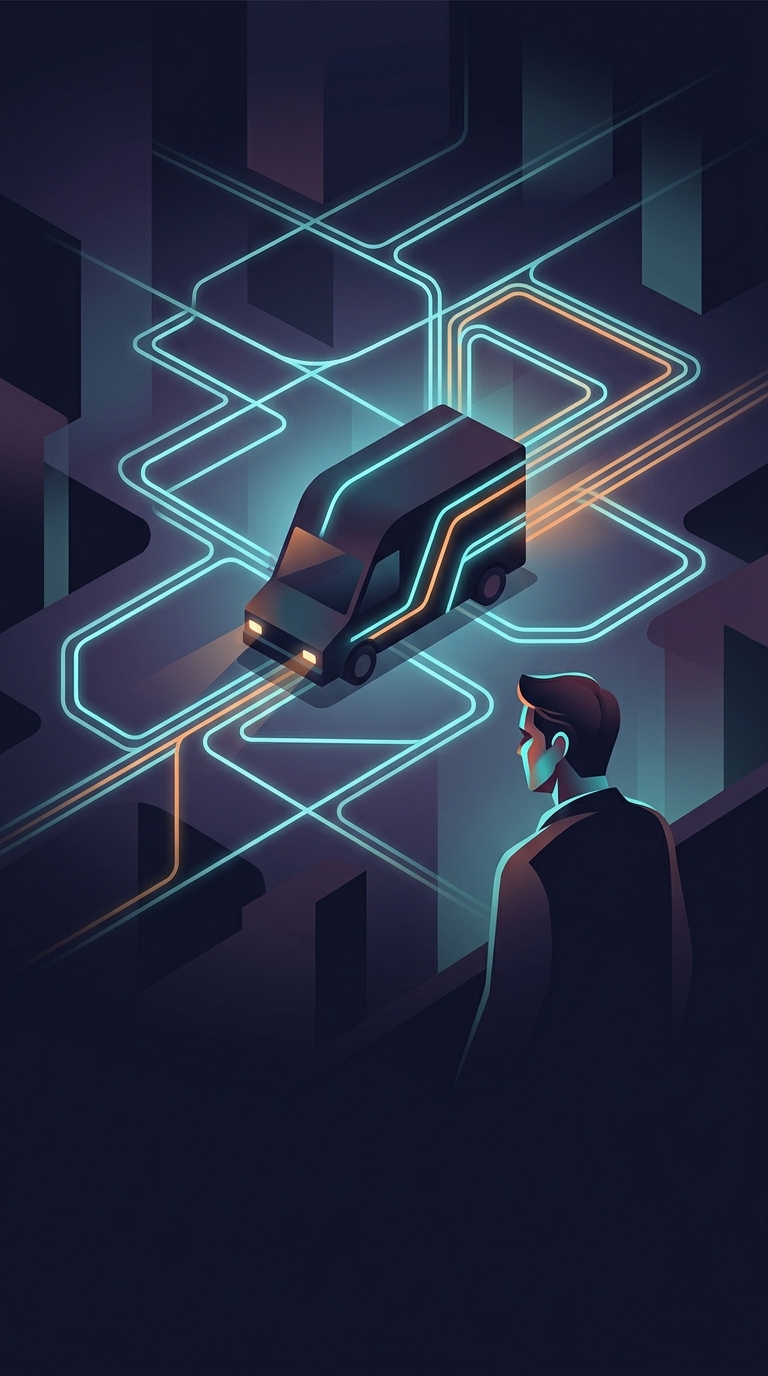
Next, software estimates how other road users might move. A cyclist could continue straight or turn; a car ahead could brake. The system considers such possibilities while planning its own route and speed. A control system then translates that plan into steering, acceleration, and braking commands.
These steps run repeatedly, so the plan can change as the scene changes. If an object is detected late or its motion is unclear, the car may need to slow down or stop rather than commit to a maneuver. That makes uncertainty part of the driving problem, not an exception: sensors can be obscured, road markings can fade, and unusual situations may not match familiar patterns.
The “fast guessing machine” description captures a real limitation, but the guesses are constrained by sensor data, software rules, and the vehicle’s ability to act. The crucial test is not whether the car can recognize a familiar road scene, but whether it can respond safely when its picture of that scene is incomplete.