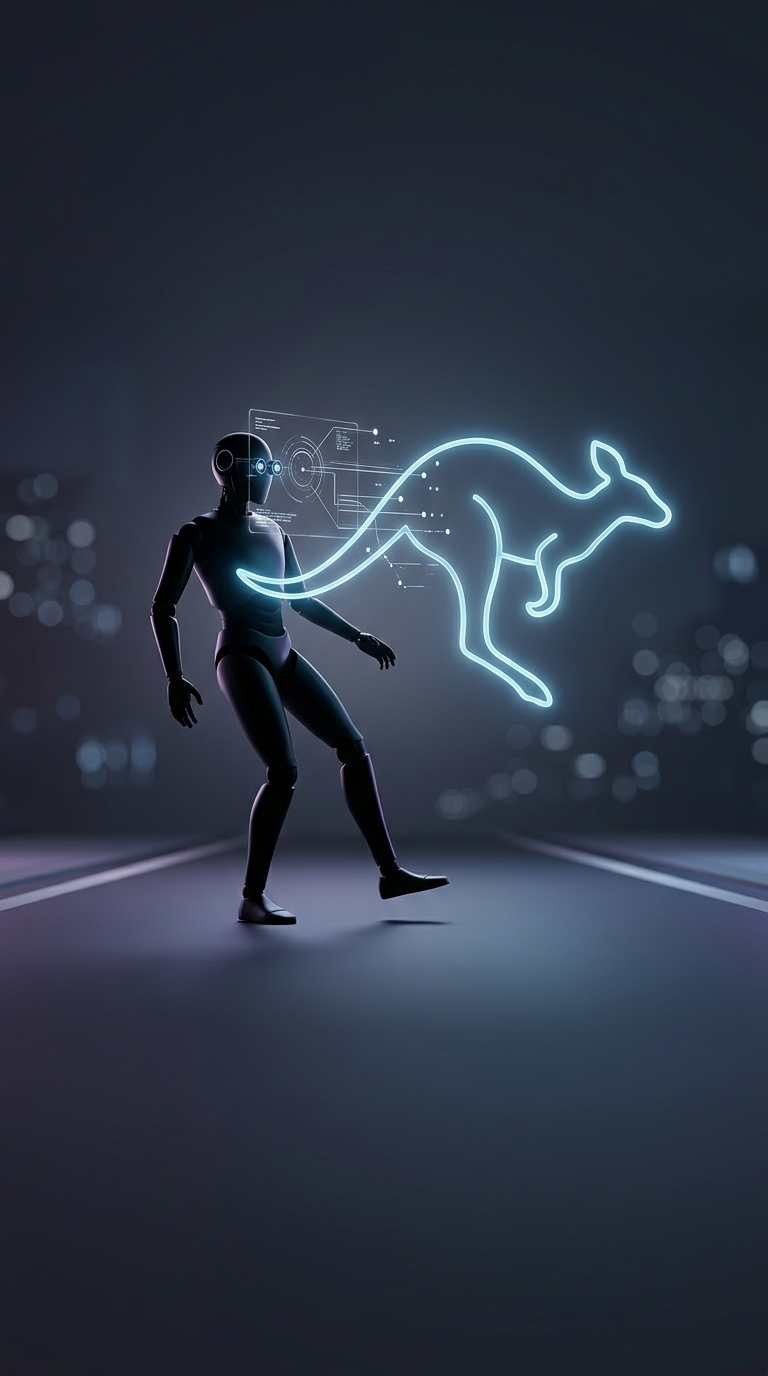
A kangaroo’s hop breaks a car’s expected motion
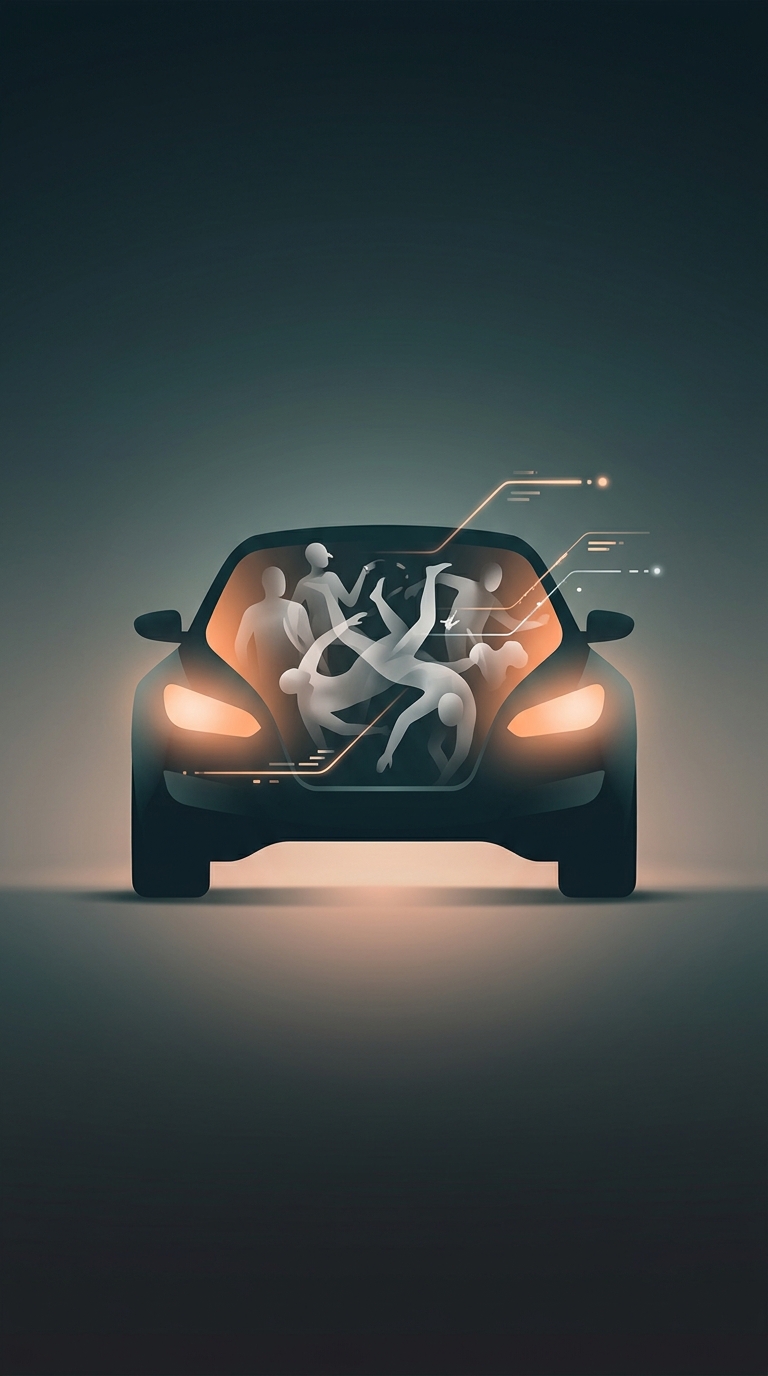
A self-driving car does not understand an animal the way a person does. Its software estimates what objects are in camera or sensor data, tracks how they move, and predicts where they may be moments later. Those predictions help the car decide whether to slow down, stop, or steer.
That process works best when movement is familiar and continuous. A kangaroo may stand still, then launch into a series of high, abrupt bounds. Between leaps, it can appear nearly stationary; during a leap, its position changes sharply. A system built around smoother movement can struggle to match those observations into one reliable track. It may detect the animal but still misjudge its speed or where it will land.
The problem is partly about what the system has seen
Driving software learns patterns from examples. If its training and testing data contain many cars, pedestrians, and common roadside animals—but few kangaroos—it has less experience with the animal’s distinctive shape and motion. A camera-based system may also have trouble distinguishing a kangaroo from background vegetation, especially at a distance or in poor light. Other sensors can help measure distance, but they do not automatically solve the harder question of how the animal will move next.
This is a gap between seeing an object and predicting its behavior. A car can label something as an animal and still lack a dependable model for its sudden, springing movement.
Why local wildlife matters to automation
The lesson is broader than one species: a vehicle that performs well in familiar traffic may encounter edge cases when roads, animals, and conditions change. Engineers have to test systems against the hazards of the places where they will operate, not just against ordinary urban scenes. In Australia, that means accounting for wildlife whose movement does not resemble the steady paths an algorithm may have learned to expect.
When prediction is uncertain, the safest response is not to guess confidently. The car needs to leave room to slow or stop—because a kangaroo can cover the distance between one quiet pause and the next leap very quickly.