The Unwritten Rules of a City Street
A city’s traffic is governed by more than signals and painted lines. Drivers, cyclists, and pedestrians constantly negotiate with small cues: a glance that says “I see you,” a pause that yields the right of way, or a hand wave inviting someone through. These exchanges are often called eye contact, but the important part is what people infer from it: whether another person has noticed them and what that person intends to do.
Why a Camera Cannot Simply “Look Back”
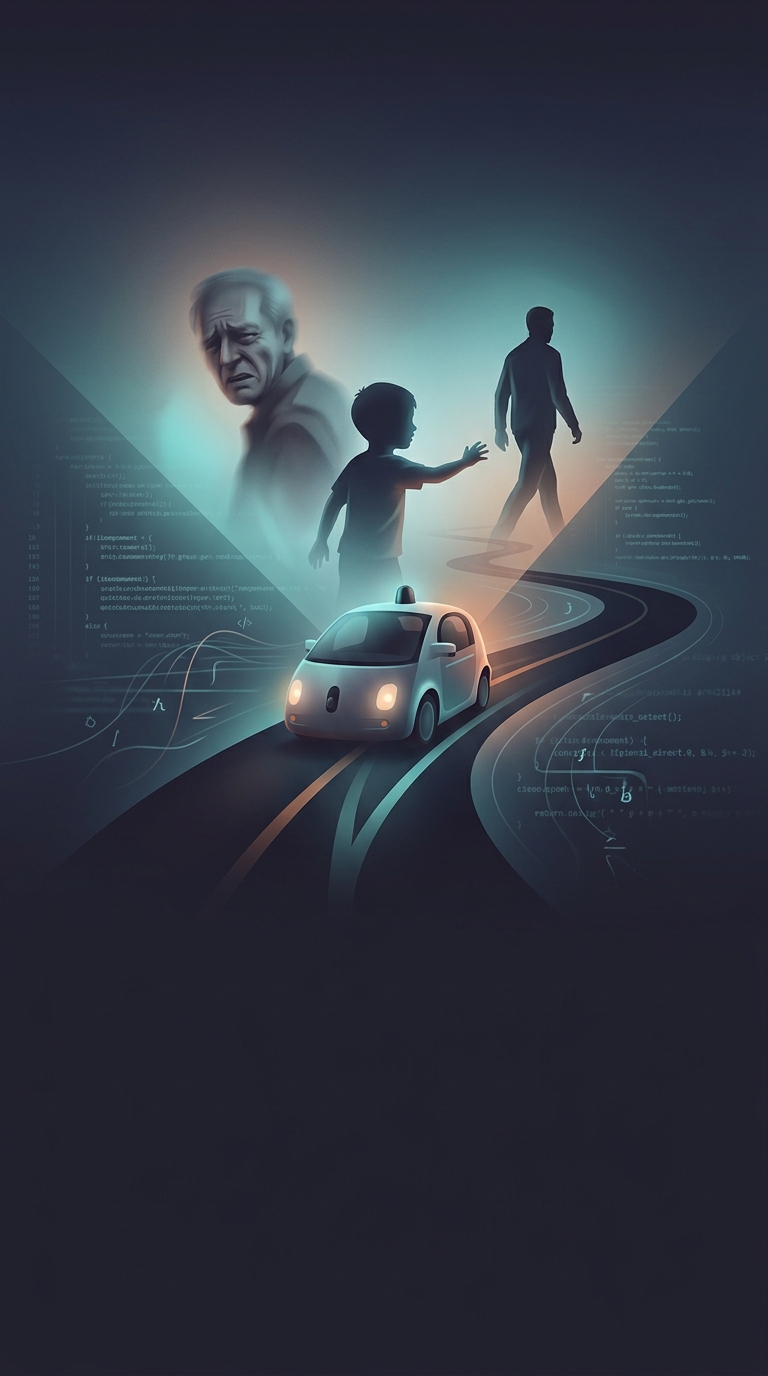
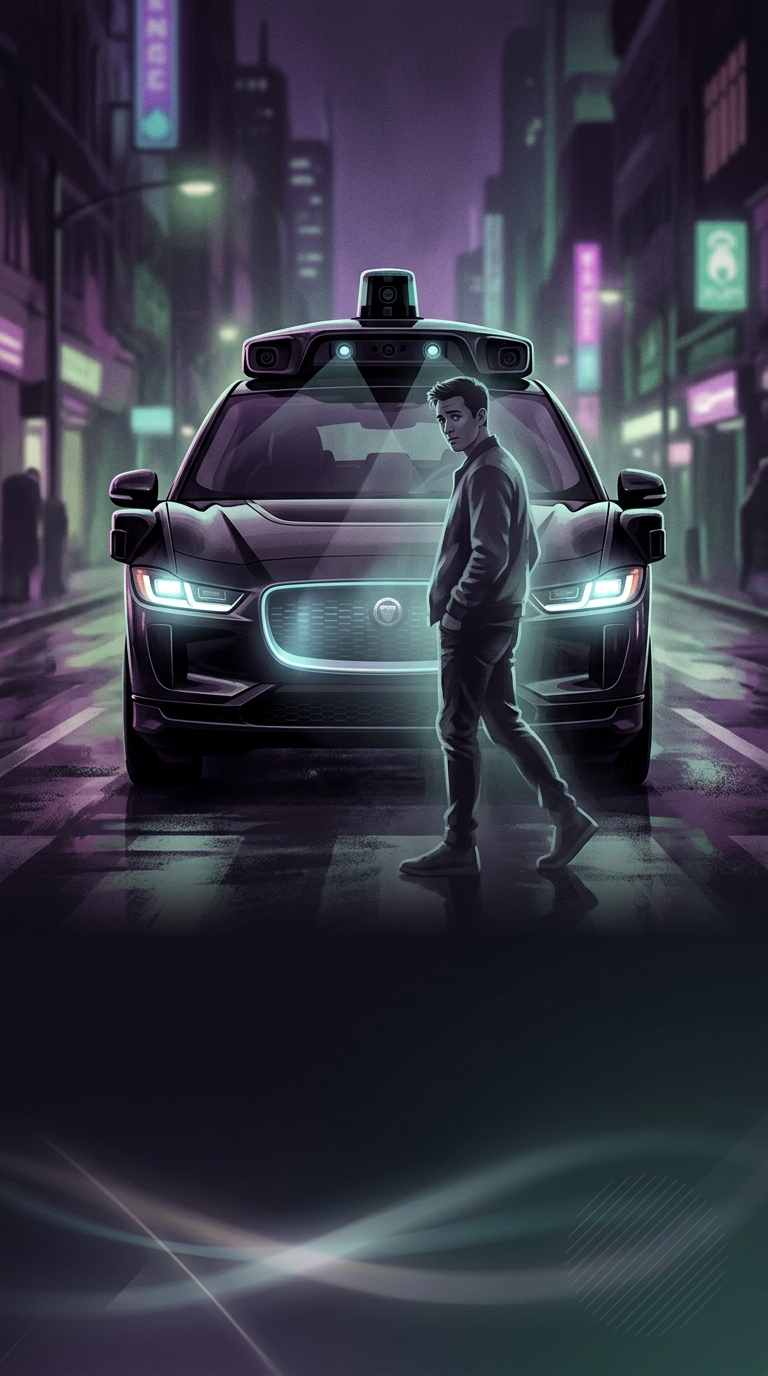
A self-driving car can detect a person’s face or body and estimate where they are looking. But that does not reliably reveal what they mean. A pedestrian may glance toward a car while checking traffic, not asking it to stop. A driver may wave someone across—or wave them away. The same gesture can mean different things depending on timing, position, and local habit.
People resolve this ambiguity using shared expectations and rapid back-and-forth. One person slows; the other steps forward; each adjusts after seeing the response. A vehicle’s sensors can track movement, but interpreting that exchange is harder than recognizing a signal whose meaning is fixed, such as a red light.
The Cost of Guessing Wrong
The safest response to an unclear cue is often to wait. Yet in a busy city, waiting at every uncertain crossing can stall traffic and leave pedestrians unsure whether the car is yielding. Moving too soon risks cutting someone off. Engineers therefore have to design systems that combine camera, radar, and other sensor readings with cautious predictions about what people may do next.
That is why a brief human glance can create a surprisingly difficult driving problem: it carries information, but not a guaranteed instruction. On a crowded street, the car must decide whether a person has merely noticed it—or is counting on it to stop.